Our Top Picks
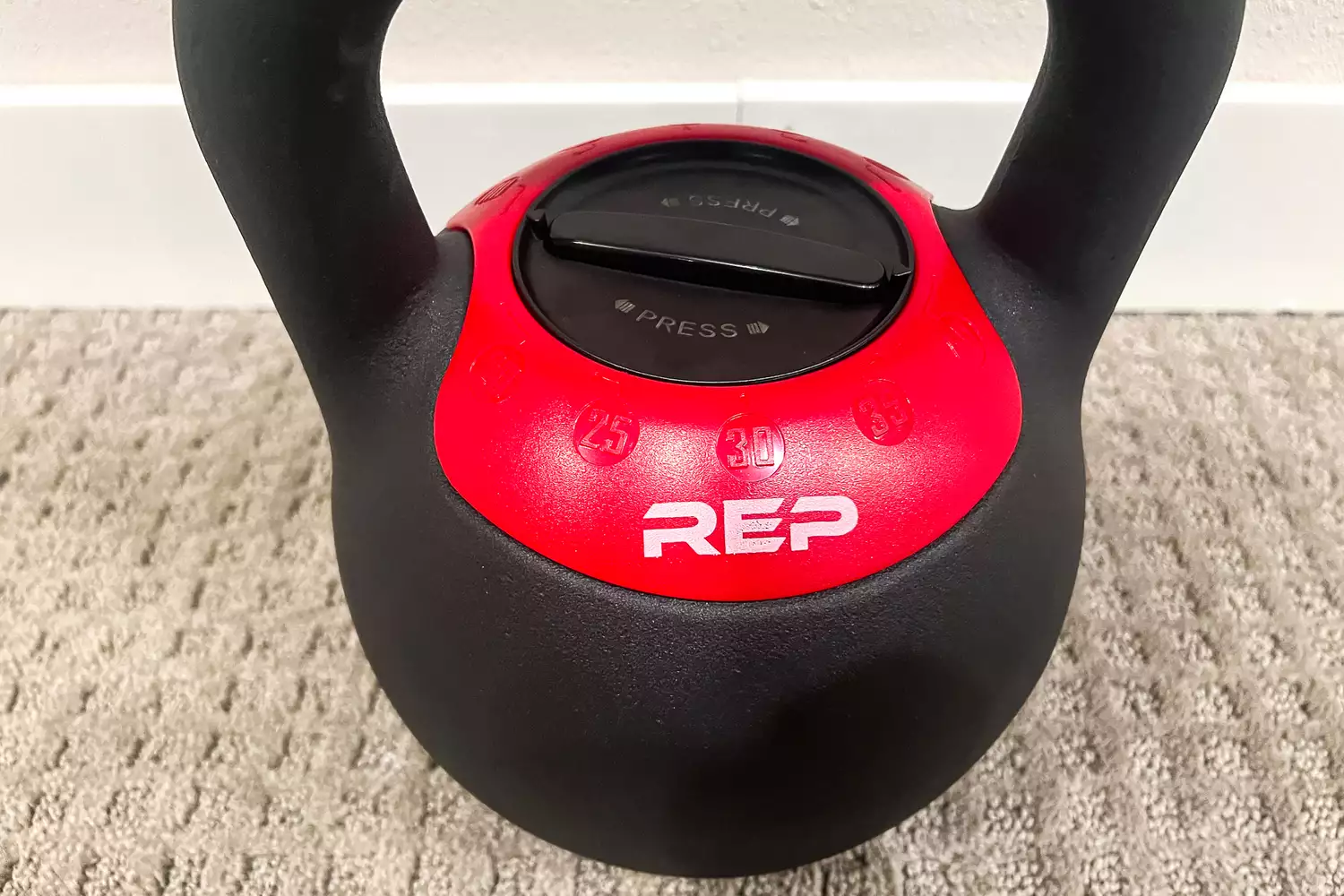
- Top Overall: REP Fitness Adjustable Kettlebell – Features a 34.6mm competition style handle and a secure matte finish.
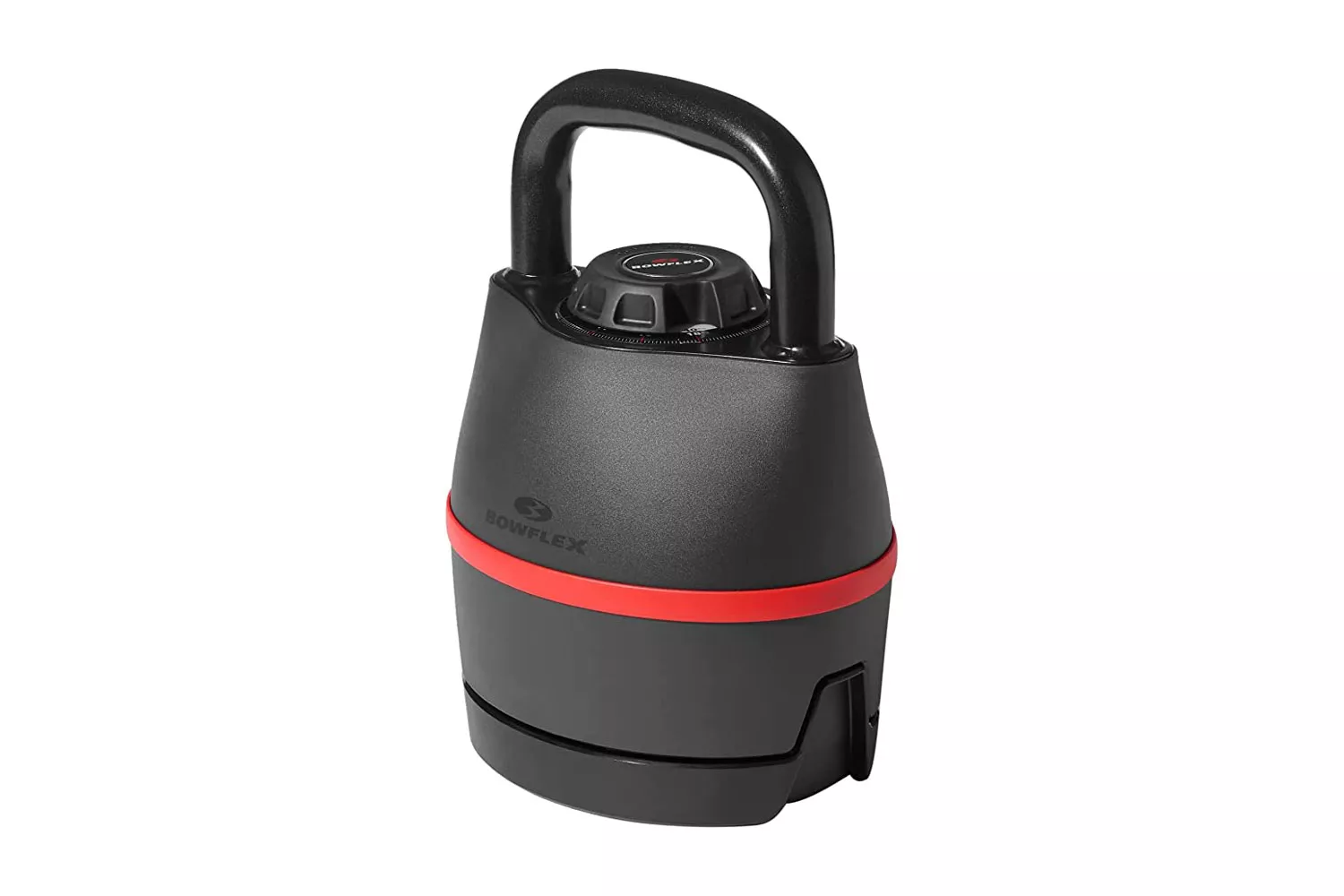
- Best for Beginners: Bowflex SelectTech 840 – Offers weight increments as low as 8lbs, perfect for mastering form and technique.
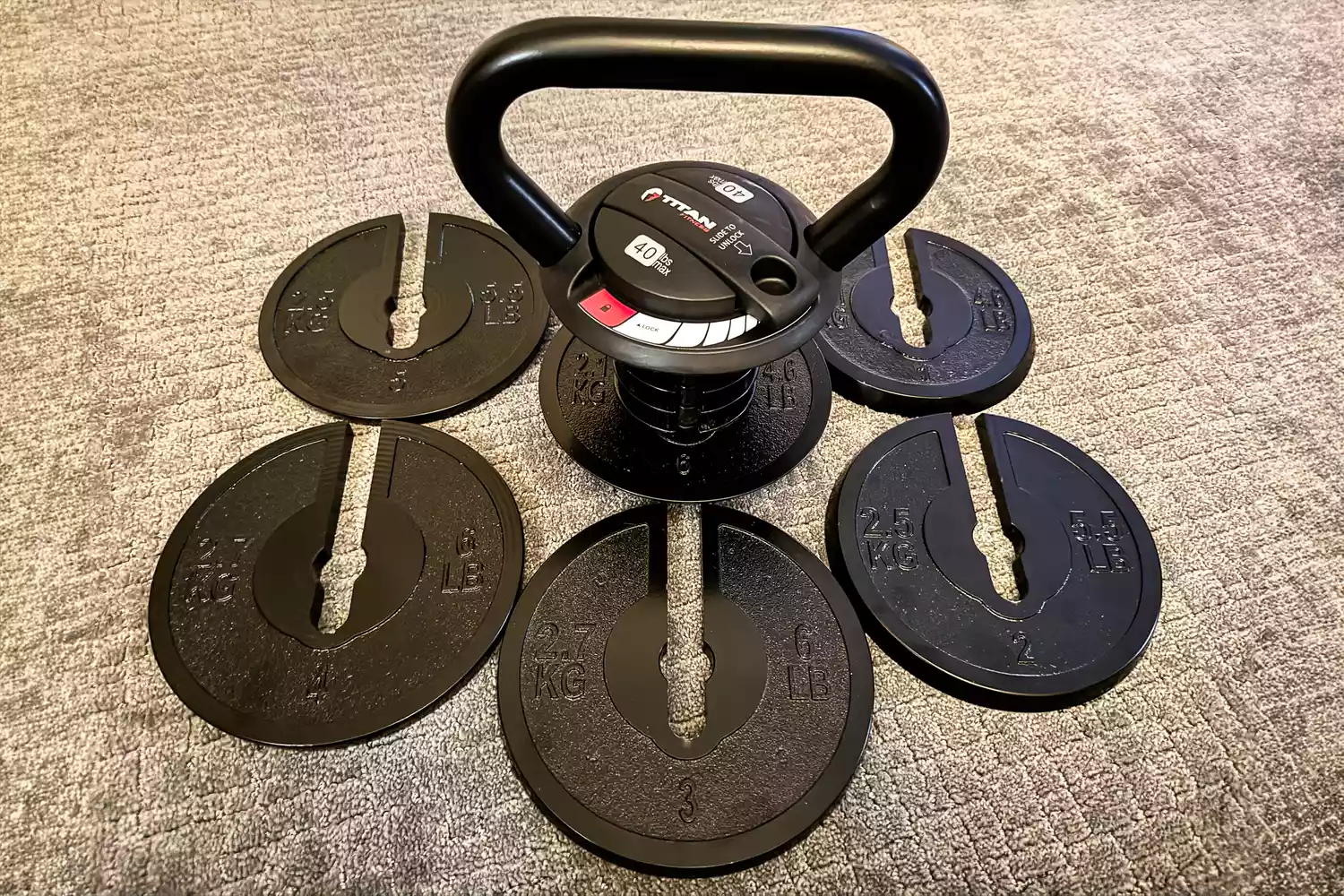
- Best for Durability: Ironmaster Quick-Lock – A manual plate-loaded powerhouse built with cast iron components for heavy-duty lifting.
Choosing the best adjustable kettlebells requires more than just picking a weight; it’s about prioritizing safety features like secure locking mechanisms and ergonomic handles. For safe home training, experts recommend starting with a versatile range that supports progressive overload while maintaining a stable center of gravity.
As a sports performance editor, I’ve seen athletes ruin their floors—and their rotator cuffs—using sub-par equipment. When you’re swinging a heavy iron ball between your legs at high velocity, the integrity of that equipment isn’t just a preference; it’s a prerequisite for staying out of the physical therapy office. Traditional kettlebells are great, but for most people building a home gym setup, they aren't practical. You either run out of space or run out of money.
Adjustable units solve the footprint problem, but they introduce mechanical complexity. To train safely, you need to understand how these mechanisms work and how to choose the right adjustable kettlebell weight range for your current strength level. This guide breaks down the sports science and mechanical engineering behind the safest options on the market today.
Critical Safety Features: Locking Mechanisms and Internal Stability
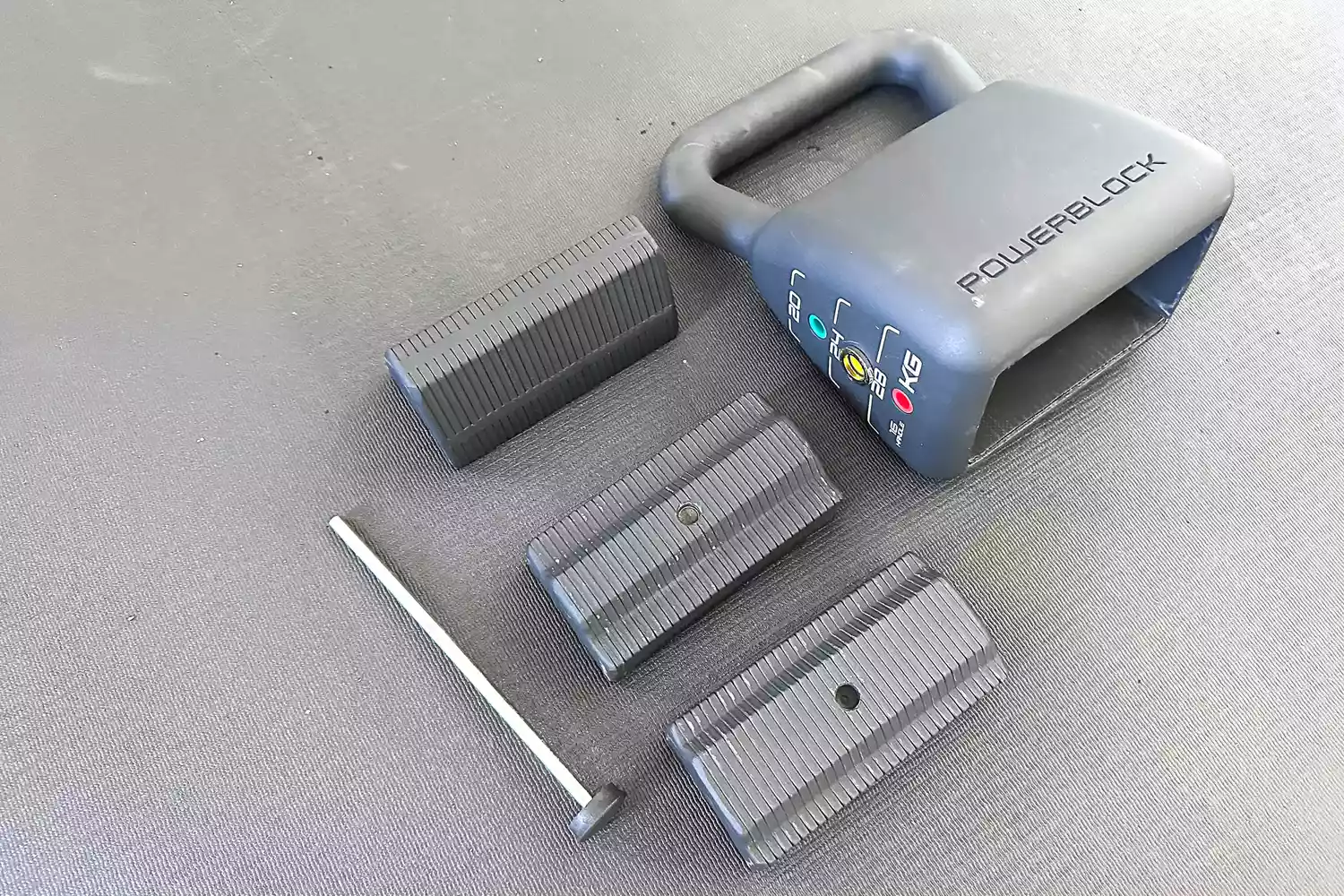
The most significant danger with an adjustable unit is internal weight shifting. In a standard cast iron bell, the center of gravity is fixed. In an adjustable model, the weights are often separate plates or blocks held together by a central column. If the locking mechanism is weak, those plates can rattle. This "clanging" isn't just annoying; it creates micro-oscillations that can pull you out of alignment during high-velocity movements like kettlebell swings.
When evaluating adjustable kettlebell safety features, look for magnetic selection pins or reinforced dials. A magnetic selection pin ensures that even if the unit is jarred, the pin stays engaged with the internal plates. High-end models often use nylon thermoplastic for their dials because it’s durable enough to withstand the torque of a swing without cracking.
Furthermore, internal stability is paramount for core stability. If the internal weights move even a fraction of an inch, the erratic weight distribution forces your stabilizer muscles to overcompensate. This is how many lower back tweaks happen. Look for models where the internal plates are machined to fit tightly together, effectively mimicking the solid feel of a traditional bell.
Choosing the Right Weight Range and Increments
For a safe entry into the world of functional fitness, you shouldn't just grab the heaviest weight available. According to data from EW Motion Therapy, experts generally recommend a starting weight range of 8 to 12 kilograms for women and 12 to 16 kilograms for men to ensure proper form before progression.
One of the primary benefits of an adjustable system is the ability to utilize small weight increments. I often recommend best adjustable kettlebells for beginners with low weight increments (such as 1kg or 2kg steps) because they allow for a true progressive overload. Jumping from a 16kg bell to a 20kg bell is a massive 25% increase. That’s a recipe for a shoulder impingement. Small increments allow you to maintain your form and technique as you get stronger.
Safety isn't just about the equipment; it's about the user's interaction with it. A 10-year analysis of emergency department data found that kettlebells accounted for 0.80% of resistance training injuries in females compared to 0.10% in males, with common mechanisms including being hit by or dropping the equipment. This highlights the importance of choosing a weight you can control through the entire range of motion.
Ergonomics: Handle Diameter and Grip Materials
The handle is your only interface with the weight. If your grip fails, the workout ends—or worse, the kettlebell becomes a projectile. Most standard consumer kettlebells feature a handle diameter around 28mm to 30mm. However, a competition style handle is typically 33mm to 35mm. For athletes with larger hands, a thicker handle can actually reduce hand fatigue by distributing the pressure more evenly across the palm.
Material matters just as much as size. I prefer a powder coating over a smooth chrome finish. Powder coating provides a textured surface that retains chalk better and offers a non-slip grip even when your hands are sweaty during HIIT routines. Some budget models use a plastic shell, which can become incredibly slippery once you start sweating. If you are training on hardwood or tile, consider the benefits of rubber coated adjustable kettlebells for home floors. The rubber base provides extra friction when the bell is sitting on the floor, preventing it from sliding away during floor-based exercises like push-ups or mountain climbers.
Performance Testing: Dial vs. Plate-Loaded Mechanisms
When choosing an adjustable kettlebell, the mechanism dictates how you will use it. If you are a fan of CrossFit or metabolic conditioning, the speed of adjustment is your top priority. If you are a traditional strength athlete, durability is king.
| Feature | Dial/Pin System | Plate-Loaded System |
|---|---|---|
| Adjustment Speed | Near-instant (3-5 seconds) | Slower (30-60 seconds) |
| Durability | Moderate (contains internal gears) | High (mostly solid metal) |
| Weight Range | Usually fixed (e.g., 8kg to 24kg) | Often expandable with extra plates |
| Best For | HIIT, Circuits, Supersets | Heavy lifting, slow strength work |
| Form Factor | Consistent shell size | Can change shape as weight is added |
In my performance testing, the dial vs plate adjustment mechanisms for kettlebells present a clear trade-off. Dial systems are incredibly convenient for HIIT but usually feature more plastic components that could fail if dropped. Plate-loaded systems, like the Ironmaster, use a manual screw-lock that is virtually indestructible but requires you to stop your workout to change weights.
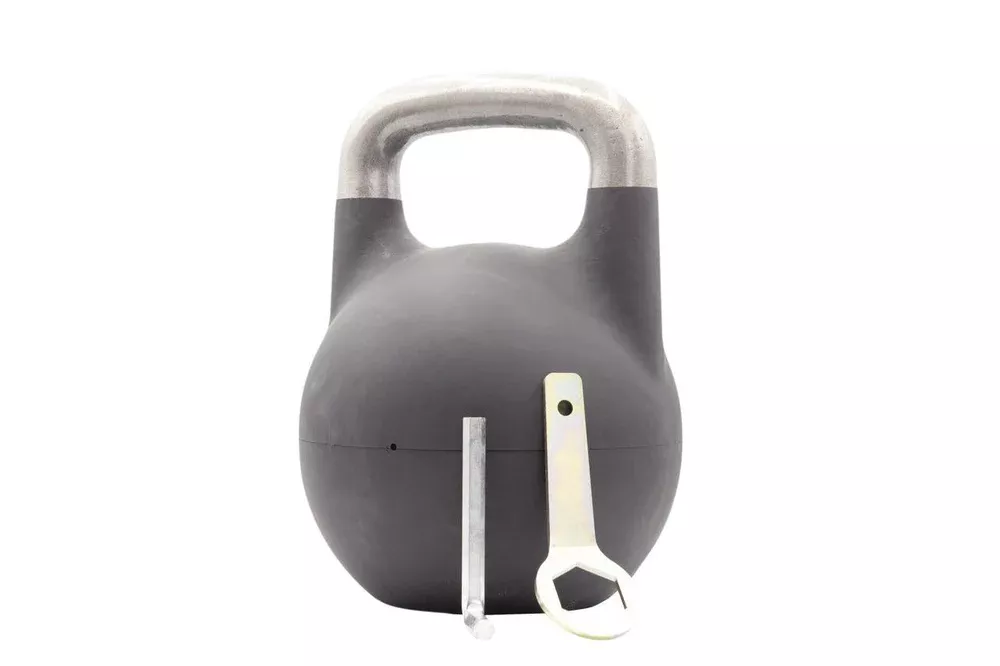
Another factor to consider is the bulkiness. Some adjustable designs are significantly wider than a standard kettlebell. This can be problematic for close-to-body movements like windmills and Turkish get-ups, where the bell needs to rest comfortably against your forearm. A gravity die-cast shell usually offers the most compact form factor, closely mimicking the dimensions of a professional competition bell.
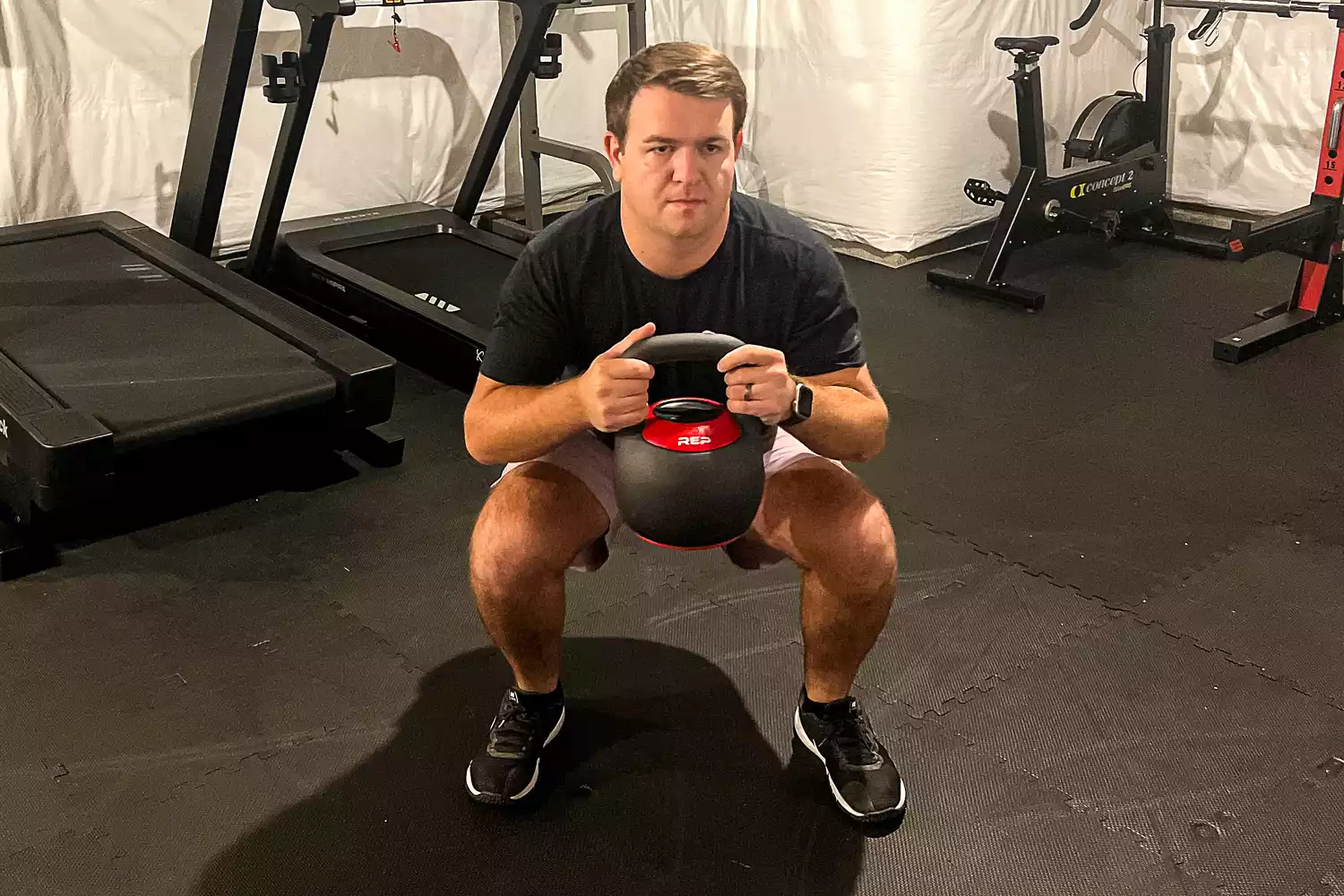
Expert Tip: If you plan on doing a lot of overhead work, choose a model with a flat side. This reduces the pressure on your forearm bones during high-repetition snatches or presses.
Longevity and Maintenance: Expert Tips
Unlike a solid hunk of cast iron, an adjustable kettlebell is a piece of machinery. To keep it safe and functional for years, you need to follow a basic maintenance protocol. First and foremost: stop dropping your kettlebells. While a solid bell can handle being dropped on a lifting platform, the internal gear systems of adjustable units are sensitive to high-impact shocks. Dropping a dial-based kettlebell can misalign the selection discs, making it impossible to change weights or, worse, causing a weight to fall out during a swing.
Cleaning is also vital. Sweat is corrosive. If you have a plate-loaded system, sweat can get between the plates and cause rust, which eventually makes the plates stick together. For dial systems, dust and chalk can get into the gears. Periodically use a dry cloth or a can of compressed air to clean out the selection mechanism. Avoid using heavy oils or grease unless specifically recommended by the manufacturer, as these can attract more dirt and gunk up the works.
Finally, always perform a "test lift" after changing weights. Before you start a set of high-intensity swings, give the bell a quick shake near the floor to ensure the locking mechanism has fully engaged. This is one of the most important expert tips for using adjustable kettlebells safely during high intensity workouts.
FAQ
Are adjustable kettlebells worth the money?
Yes, they are highly cost-effective for a home gym. A single high-quality adjustable kettlebell can replace 5 to 7 individual kettlebells, saving you hundreds of dollars and a significant amount of floor space. While the initial investment is higher than a single solid bell, the versatility and room for progression make them a smarter long-term purchase.
Are adjustable kettlebells safe for heavy swings?
They are safe as long as they feature a high-quality locking mechanism. When performing heavy swings, the centrifugal force is significant. You must ensure the model you choose uses steel or high-grade nylon locking pins. Avoid generic, ultra-budget models that use thin plastic clips, as these are not designed for the dynamic forces of a swing.
How do adjustable kettlebells work?
Most models use one of three systems: a top-mounted dial that engages internal plates, a side-loading pin (similar to a gym cable machine), or a central threaded post where you manually add or remove plates. The dial and pin systems are the fastest, while the threaded post is generally the most durable.
Can you do all exercises with an adjustable kettlebell?
Almost all exercises can be performed, including swings, snatches, cleans, and presses. However, some very bulky adjustable models might be awkward for movements that require the bell to pass between the legs (like narrow-stance swings) or rest against the forearm (like Turkish get-ups). Check the dimensions before buying if you have a smaller frame.
What features should I look for in a quality adjustable kettlebell?
Prioritize a secure locking mechanism (magnetic pins are a plus), a powder-coated handle for better grip, and a rubberized base to protect your floors. Also, look for a model that offers weight increments that match your strength level, ensuring you can progress safely without making massive jumps in resistance.