Quick Facts
- Typical Duration: Occasional alcohol bloating usually subsides within 1 to 3 days of your last drink.
- Primary Cause: Gastritis (stomach lining irritation) and water retention caused by ethanol.
- Gastritis Healing Time: Inflammation of the stomach lining typically heals within 3 to 7 days of complete abstinence.
- Microbiome Recovery: The gut microbiome can take between 2 and 4 weeks to rebalance after stopping alcohol consumption.
- Top Relief Agents: Electrolyte-rich fluids, non-carbonated water, and anti-inflammatory ginger or turmeric.
- Restorative Nutrients: L-Glutamine found in bone broth helps repair intestinal permeability, also known as leaky gut.
Alcohol bloating is more than just a temporary discomfort; it is a sign of gastrointestinal inflammation and systemic dehydration. Whether you are dealing with a one-night binge or chronic issues, understanding how to reduce bloating after drinking is key to gut health restoration after alcohol. Alcohol bloating occurs when ethanol irritates the digestive tract and disrupts the balance of the gut microbiome. This irritation leads to gastrointestinal inflammation, water retention, and the overgrowth of yeast like candida. Because alcohol also interferes with sugar digestion and acetaldehyde metabolism, it can cause significant abdominal distension and systemic dehydration shortly after consumption.
The Biological Why: What Alcohol Does to Your Gut
To understand why your midsection feels tight and uncomfortable after a night out, we have to look at the chemistry of ethanol. When you consume alcohol, your body prioritizes breaking it down into acetaldehyde. This byproduct is highly toxic and is a major driver of gastrointestinal inflammation. Acetaldehyde metabolism puts a significant strain on your liver and your gut, often leading to stomach lining irritation.
As the ethanol moves through your system, it acts as a localized irritant. This can lead to acute gastritis, which is essentially an inflamed stomach. Interestingly, the body's inflammatory response happens much faster than most people realize. Research indicates that bacterial endotoxins that trigger inflammation and contribute to digestive bloating can begin to rise in the body within 30 minutes of alcohol consumption.
Beyond direct irritation, alcohol also acts as a diuretic. It suppresses a hormone called vasopressin, which tells your kidneys to hold onto water. This leads to systemic dehydration. When your body realizes it is losing water too quickly, it reacts by holding onto every ounce of fluid it can find, often storing it in the tissues of your abdomen and face. This water retention is a primary reason for that puffy, distended feeling.
Furthermore, many alcoholic beverages are high in sugar or are mixed with sodas. This sugar acts as fuel for undesirable organisms in your gut, such as candida albicans. When these yeast populations bloom, they produce gas as a metabolic byproduct, further increasing abdominal distension and making the bloat feel physical rather than just fluid-based.
Recovery Timeline: How Long Does Alcohol Bloating Last?
One of the most frequent questions I get is: how long does alcohol bloating last after drinking? The answer depends heavily on your consumption patterns and the current state of your microbiome diversity.
For most people, a single night of moderate drinking will cause bloating that clears up within 24 to 48 hours as the body rehydrates. However, if you have been drinking more heavily or more frequently, the timeline shifts.
| Drinking Pattern | Recovery Phase | Estimated Duration |
|---|---|---|
| Occasional / Moderate | Acute Rehydration | 12 - 24 Hours |
| Binge Drinking | Gastritis Resolution | 1 - 3 Days |
| Heavy / Frequent | Stomach Lining Repair | 3 - 7 Days |
| Chronic Consumption | Microbiome Rebalancing | 2 - 4 Weeks |
If you are dealing with chronic alcohol bloating, you are likely looking at a longer recovery window. While the external swelling might go down in a few days, the internal damage to the gut barrier and the shift in bacterial populations take longer to mend. If you stop drinking entirely, your body begins a systemic repair process, but the gut environment is complex and requires consistent nutritional support to return to its baseline.
Immediate Relief: How to Reduce Bloating After Drinking
If you woke up today feeling the effects of last night, your priority should be flushing out toxins and calming gastrointestinal inflammation. The "morning after" is less about magic pills and more about restoring biological balance.
Start by prioritizing hydration, but skip the bubbles. Carbonated water or soda will only add more gas to an already distended stomach. Instead, reach for flat water enhanced with electrolytes. Alcohol depletes sodium, magnesium, and potassium; replenishing these minerals helps your cells release the excess water they are holding onto.
Incorporating anti-inflammatory agents can also speed up the process. Ginger and turmeric are powerhouses for digestive motility. Ginger, in particular, helps stimulate the migrating motor complex, which is the "cleansing wave" of the gut that moves food and gas through the digestive tract. A warm tea made from fresh ginger root is one of the most effective morning after remedies for alcohol bloating.
To prevent future issues, consider your choice of drink. The best non carbonated alcohol for less bloating usually includes clear spirits like tequila or gin mixed with plain water and a squeeze of lime. Avoiding beer and sugary cocktails reduces the fermentation load on your gut, which can minimize the severity of the bloat the next day.
Gut Health Restoration After Alcohol: A Long-Term Guide
Healing your gut after a period of alcohol use requires more than just a few days of sobriety. You need to focus on repairing the intestinal lining and restoring microbiome diversity. Alcohol can increase intestinal permeability, creating a condition where toxins and undigested food particles leak into the bloodstream, triggering systemic inflammation.
To combat this, I recommend a diet rich in gut-supporting nutrients:
- Bone Broth: This is a premier source of L-Glutamine, an amino acid that serves as fuel for the cells lining your intestines. It helps "seal" the gut barrier.
- Probiotic Foods: Incorporating probiotic foods to restore gut health after alcohol is essential. Look for unpasteurized kefir, kimchi, and sauerkraut. These fermented foods introduce beneficial strains of Bifidobacterium and Lactobacillus that may have been depleted.
- Prebiotic Fiber: Feed the good bacteria with garlic, onions, leeks, and slightly under-ripe bananas. This fiber helps the beneficial microbes thrive and outcompete yeast like candida albicans.
- Lean Proteins: Provide the building blocks for tissue repair without the heavy saturated fats that can slow down digestive motility.
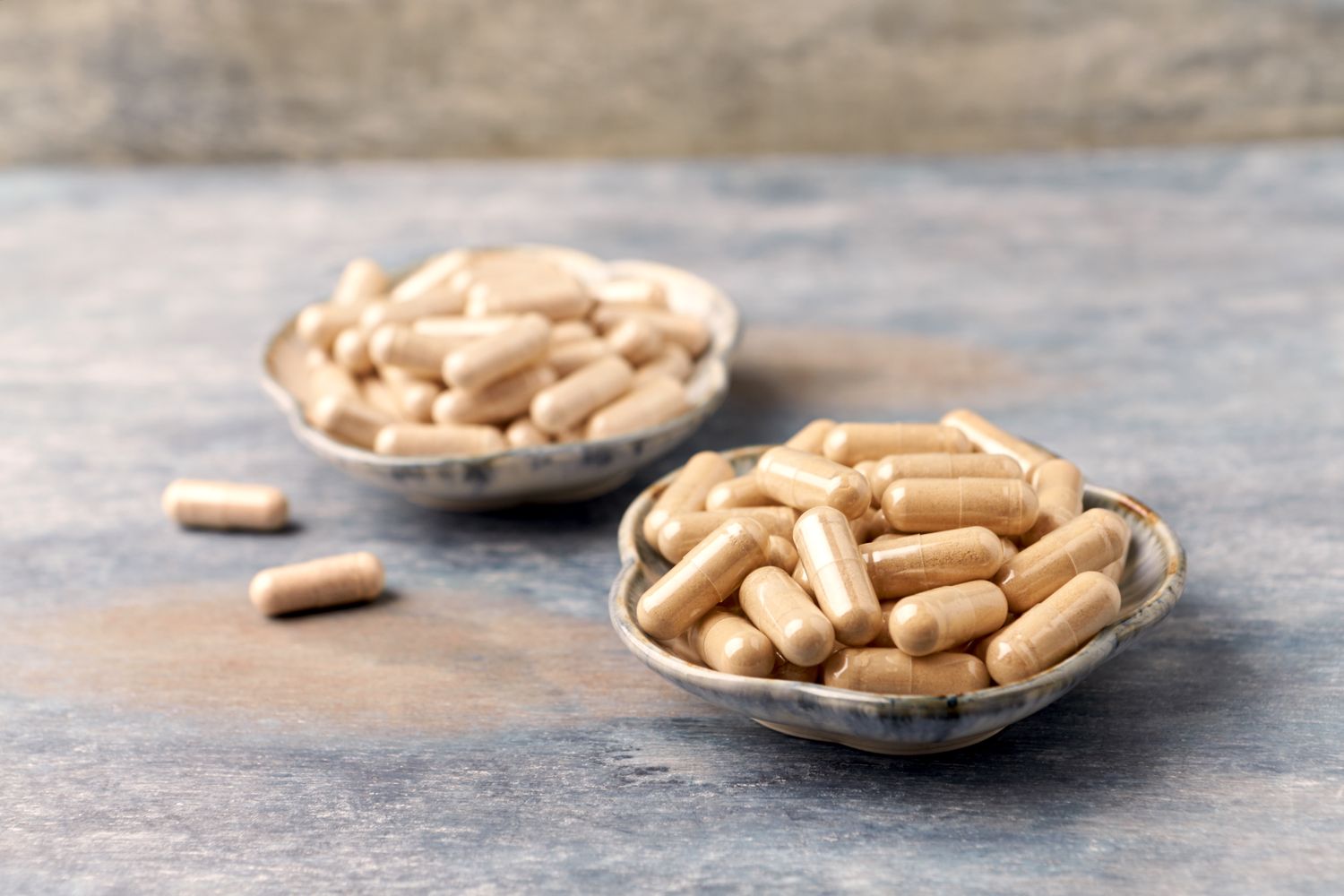
For those looking to accelerate their recovery, certain digestive enzyme supplements for alcohol recovery can be helpful. Enzymes like protease and lipase help take the burden off an inflamed pancreas and gallbladder, ensuring that food is broken down efficiently so it doesn't ferment and cause more gas.
Alcohol Belly vs. Bloating: Is it Fat or Inflammation?
It is important to distinguish between short-term alcohol bloating and the development of an alcohol belly. While they look similar, their biological origins are quite different.
Bloating is primarily an inflammatory and fluid-based issue. It can appear suddenly and disappear just as quickly once the irritant is removed. Alcohol belly vs bloating symptoms usually involve the "firmness" of the abdomen. A bloat often feels tight and fluctuates throughout the day, whereas a chronic alcohol belly is usually the result of visceral fat storage.
Alcohol is calorie-dense, containing 7 calories per gram, which is nearly as much as pure fat. When you drink, your liver stops burning fat to focus on processing the alcohol. This leads to the storage of fat around the internal organs. This visceral fat is metabolically active and can actually create more inflammation, leading to a vicious cycle of swelling and fat gain.
Comparison of Symptoms:
- Bloating: Fluctuates hourly, often accompanied by gas, feels like "pressure" or "tightness," usually dissipates after 48 hours of sobriety.
- Alcohol Belly: Consistent size, feels relatively firm, results from long-term caloric surplus, requires diet and exercise changes to resolve.

When to See a Doctor
While most alcohol bloating is temporary, you should never ignore persistent symptoms. If the swelling is accompanied by sharp pain, a yellowing of the eyes or skin (jaundice), or if the bloat does not subside after a full week of abstinence, it is time to consult a healthcare professional.
Chronic gastrointestinal inflammation can mask more serious conditions like Small Intestinal Bacterial Overgrowth (SIBO) or even early signs of liver disease. Your gut produces 95% of serotonin, so when your digestive system is chronically inflamed, it can impact your mood, sleep, and overall mental health. A medical check-up can help determine if your bloating is a sign of deeper stomach lining irritation or issues with your liver and pancreas.
FAQ
How long does alcohol bloating last?
For occasional drinkers, the visible bloat usually lasts between 24 and 72 hours. However, if the alcohol has caused significant gastritis or shifted the balance of your gut bacteria, internal healing may take up to several weeks of complete abstinence and nutritional support.
Why does alcohol make your stomach bloat?
Alcohol is a natural irritant that causes immediate gastrointestinal inflammation. It also triggers water retention through the suppression of antidiuretic hormones and can cause gas production by feeding yeast and bad bacteria in the gut with the sugars found in many drinks.
How can I get rid of alcohol bloating fast?
The fastest way to reduce the swelling is to rehydrate with non-carbonated, electrolyte-rich fluids and take natural anti-inflammatories like ginger or turmeric. Gentle movement, such as walking, can also help stimulate digestive motility and move trapped gas through your system.
Does stopping alcohol help with bloating?
Yes, stopping alcohol is the most effective way to eliminate alcohol bloating. Within 3 to 7 days, the stomach lining begins to repair itself, and within 2 to 4 weeks, the gut microbiome begins to return to a healthier, more balanced state, reducing the frequency of abdominal distension.
Which alcoholic drinks cause the least bloating?
Clear spirits such as vodka, gin, or tequila served with plain water or club soda generally cause the least amount of bloating. These options are low in sugar and lack the yeast and gluten found in beer, which are major contributors to gas and fermentation.
Is alcohol bloating a sign of liver damage?
While common bloating is usually caused by inflammation or dehydration, persistent and severe abdominal swelling can be a sign of ascites, which is fluid buildup caused by liver scarring or cirrhosis. If the bloating is chronic and accompanied by other symptoms like pain or jaundice, see a doctor immediately.
Conclusion
Navigating the discomfort of alcohol bloating is a common experience, but it doesn't have to be a permanent one. By understanding the timeline of recovery—from the initial 24-hour rehydration phase to the 4-week window for microbiome restoration—you can take active steps to heal your system.
The path to gut health restoration after alcohol involves more than just waiting for the swelling to go down. It requires an intentional focus on anti-inflammatory foods, hydration, and the strategic use of probiotics and enzymes. By listening to your body's signals and giving your digestive tract the rest it needs, you can move past the bloat and back to a state of gut-centered wellness.