Quick Facts
- Trend Focus: Cozy cardio and zone zero movement.
- Expert Guide: Megan Roup, founder of The Sculpt Society.
- Core Benefits: Stress reduction, pelvic floor health, and hormonal balance.
- Typical Duration: 15 to 25 minute sessions known as Quickies.
- Cost: Approximately $16 per month for annual plans or $25 monthly for TSS.
- Intensity: Maintaining a heart rate below 50% of your maximum.
Cozy cardio is a low-intensity fitness approach focused on creating a supportive, stress-free environment for movement. It emphasizes gentle exercises like walking, stretching, or Pilates performed in comfortable clothing, such as pajamas, often incorporating sensory elements like candles or soft lighting. This zone zero exercise style prioritizes consistency and sustainable health over high-intensity physical strain, making it an ideal entry point for beginners or those seeking restorative fitness.
Understanding Zone Zero: The Science of Low-Intensity Movement
For years, the fitness industry has whispered that if you aren't breathless, you aren't working hard enough. As an editor specializing in women’s wellness, I have seen the fallout of this mentality—sky-high cortisol levels, burnout, and disrupted hormonal cycles. That is why the shift toward zone zero exercise for low intensity movement is one of the most exciting developments in modern wellness. This concept rebrands traditional movement into something that serves the nervous system rather than taxing it.
Physiologically, zone zero refers to activity where your heart rate stays below 50% of its maximum. Unlike high-intensity interval training (HIIT), which triggers a sympathetic "fight or flight" response, restorative fitness encourages parasympathetic activation. This is the state where our bodies can truly recover, digest, and balance hormones. For women navigating the complexities of postpartum wellness or the metabolic changes of perimenopause, maintaining a lower heart rate can prevent the inflammatory spikes that often lead to exhaustion.
Looking ahead, the fitness landscape is shifting toward Exercise for Mental Health, a trend predicted to peak by 2026. People are moving away from punishment-based workouts and toward movement that feels like a hug. For those taking GLP-1 medications, who may experience fatigue or muscle loss, low impact home workouts in zone zero are essential for preserving lean muscle mass without overextending the body’s energy reserves. By focusing on heart rate zones that feel manageable, you create a sustainable health foundation that respects your body’s unique rhythms.
Setting the Scene: Pajamas, Lighting, and Environmental Engineering
The biggest barrier to exercise isn't usually the workout itself; it is the friction of getting ready. The cozy cardio movement, founded by TikToker Hope Zuckerbrow, gained massive popularity because it removes that friction. As of September 2023, the trend has garnered more than 5.6 million views on the platform, proving that women are craving a different way to move.
To start your own morning cozy cardio routine in pajamas, the first step is environmental engineering. Instead of bright gym lights and loud music, think about creating a home fitness aesthetic that mimics a spa. Dim the lights, light a favorite beeswax candle, and keep your favorite loungewear at the foot of your bed. By removing the need for a high-compression sports bra and stiff sneakers, you eliminate the mental hurdles that often stop a workout before it begins.
For many of my readers who work in tech or corporate roles, a walking pad workout for small home offices has become a game-changer. These compact devices allow you to clock slow, steady steps while watching a show or even during a low-stakes meeting. The goal isn't to sweat through your clothes; it is to keep your blood flowing and your joints mobile. Setting up a dedicated station with a glass of lemon water and a soft towel makes the experience feel like self-care integration rather than a chore.
The Sculpt Society Method: Mindful Movement with Megan Roup
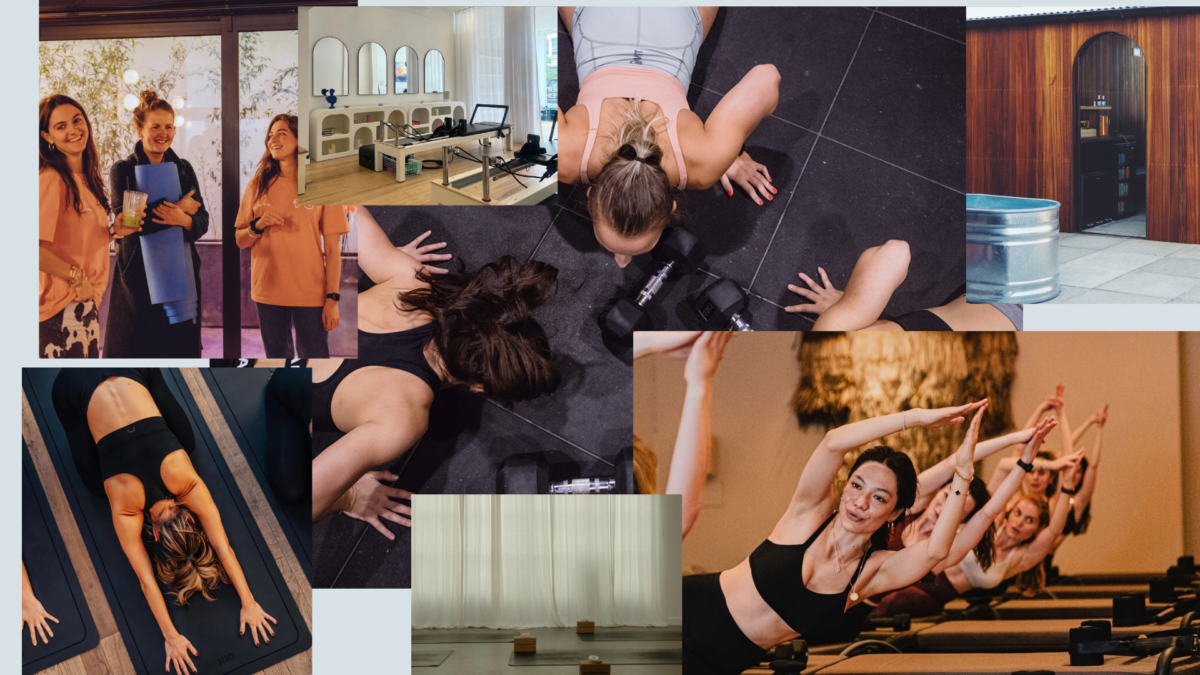
While walking is a cornerstone of this trend, Megan Roup, the founder of The Sculpt Society, has taken it a step further. She created Cozy Sculpt workouts, which are bodyweight classes specifically designed to be performed in your softest loungewear. The Sculpt Society method is particularly beloved by women because it focuses on functional mobility and length without the heavy impact.
For those in the middle of cozy cardio for postpartum recovery, Megan’s approach is a lifeline. After childbirth, the body needs time to heal the core and pelvic floor. Jumping straight into high-impact jumping jacks can do more harm than good. Instead, her low impact pelvic floor and core recovery workouts focus on deep transverse abdominis engagement and gentle glute activation. These 15-minute Quickies are designed to boost your confidence and help you feel connected to your body again, even on days when you feel sleep-deprived.
The beauty of the The Sculpt Society method within the cozy cardio framework is its accessibility. You don’t need a rack of dumbbells or a dedicated gym room. Most of the movements can be done on a simple yoga mat or even a soft rug. It turns low impact home workouts into a form of mindful movement, where the focus is on the sensation of the muscle working rather than the number of calories burned.
Habit Stacking: Integrating Wellness into Your Routine
One of the most effective ways to make cozy cardio a permanent part of your life is through habit stacking for fitness. This involves taking a habit you already enjoy and pairing it with movement. For example, if you have a morning podcast you never miss, make that your designated time for a slow walk on your pad or some gentle floor stretches.
You can also use this time for wellness biohacking. Many women find that wearing a red light therapy face mask while doing gentle low impact exercise routines for beginners is the ultimate multitasking win. The red light supports skin health and collagen production, while the gentle exercise routines support lymphatic drainage and cardiovascular health. It turns your living room into a holistic wellness hub.
If you are looking for a more structured way to walk, you might try a variation of the Japanese 3-3 walking rule. While the famous 12-3-30 method is great for intensity, the 3-3 rule—3 minutes of brisk walking followed by 3 minutes of slow walking—is much more aligned with the cozy cardio ethos. It provides a gentle rhythm that keeps you engaged without causing fatigue. These micro-workouts are not about "no pain, no gain"; they are about the joy of moving and the long-term benefits of staying active every single day.
FAQ
What is the cozy cardio trend?
The cozy cardio trend is a fitness movement that prioritizes comfort and mental well-being over intensity. It typically involves performing low-impact exercises like walking on a walking pad or doing light Pilates while wearing pajamas or loungewear, often in a relaxing environment with dimmed lights or candles.
Does cozy cardio help with weight loss?
While cozy cardio is lower in intensity than traditional workouts, it supports weight loss by promoting consistency and reducing stress-induced cortisol, which can lead to weight gain around the midsection. By lowering the barrier to entry, it helps individuals maintain a calorie deficit through regular, sustainable movement.
What equipment do I need for cozy cardio?
The beauty of this trend is its simplicity. Most practitioners use a walking pad or a yoga mat. Comfortable clothing like pajamas or leggings is essential. Optional elements include sensory additions like candles, a tablet for watching shows, or a red light face mask for habit stacking.
How long should a cozy cardio workout last?
Most cozy cardio sessions last between 15 and 40 minutes. Megan Roup’s The Sculpt Society offers Quickies that are as short as 15 minutes, making it easy to fit into a busy schedule without feeling overwhelmed.
Is cozy cardio as effective as regular cardio?
Cozy cardio is highly effective for improving cardiovascular health, boosting mood, and maintaining mobility. While it may not build high-end athletic endurance as quickly as HIIT, it is often more effective for long-term health because it prevents burnout and is easier to stick to over months and years.