Quick Facts
- Primary Goal: Produce at least 2.5 liters of urine daily to flush the urinary system.
- Success Rate: Stones measuring less than 4 millimeters pass naturally in approximately 80% of cases.
- Key Inhibitor: Urinary citrate, found in fresh lemon juice, prevents stone growth and new crystal formation.
- Clinical Standard: Medical Expulsive Therapy (MET) using alpha-blockers is the 2026 guideline for stones under 10mm.
- Prevention Metric: High fluid intake can reduce the risk of kidney stone recurrence by more than 50% over five years.
- Pain Threshold: Persistent vomiting or fever requires immediate emergency intervention for potential obstruction.
To pass a kidney stone quickly at home, the most effective kidney stone remedies involve increasing fluid volume to flush the system and boosting urinary citrate levels to prevent stone growth. For stones under 10mm, combining high hydration with alpha-adrenergic blockers is the clinical standard for natural passage.
If you have ever experienced the sharp, stabbing pain of renal colic, you know the urgency of finding relief. As an editor focusing on micronutrient science, I prioritize evidence over marketing. While the internet is full of "miracle flushes," the reality of how to flush out kidney stones relies on basic biochemistry and physics. When a stone is small enough, your body is remarkably capable of clearing it, provided you give it the right environment. Statistically, most small stones will exit the body within an average of 31 days, but with targeted kidney stone remedies, we can often facilitate a smoother, faster journey through the ureter.
Size Matters: Can You Pass Your Stone at Home?
Before reaching for the lemon juice, you must understand the geography of your urinary tract. The ureter, the tube connecting the kidney to the bladder, is narrow. According to 2026 AUA guidelines, the size and location of the stone are the primary predictors of success. If a stone is larger than 10mm, the probability of natural passage drops significantly, often requiring surgical intervention like lithotripsy or PCNL.
For those seeking natural remedies for 5mm ureteral stones, the outlook is positive. These stones have a roughly 90% chance of passing without surgery, especially when located in the distal ureter (the part closest to the bladder). To assist this process, many urologists now prescribe Medical Expulsive Therapy. This usually involves alpha-adrenergic blockers such as tamsulosin. These medications work by relaxing the smooth muscles of the ureter, making it easier for the stone to slide through without getting stuck.
| Stone Size | Passage Probability | Average Time to Pass |
|---|---|---|
| < 4 mm | 80% | 31 days |
| 4 mm - 6 mm | 60% | 45 days |
| > 6 mm | 20% | Variable / Medical intervention likely |
10 Natural Kidney Stone Remedies for Fast Relief
When managing a stone at home, your strategy should focus on two things: increasing the force of urine flow and changing the chemical composition of that urine to prevent the stone from growing larger while it is still inside you.
- Aggressive Hydration: This is the foundation of all kidney stone remedies. Aim for 8 to 12 glasses of water daily. The goal is a high fluid volume that keeps the urine pale and clear.
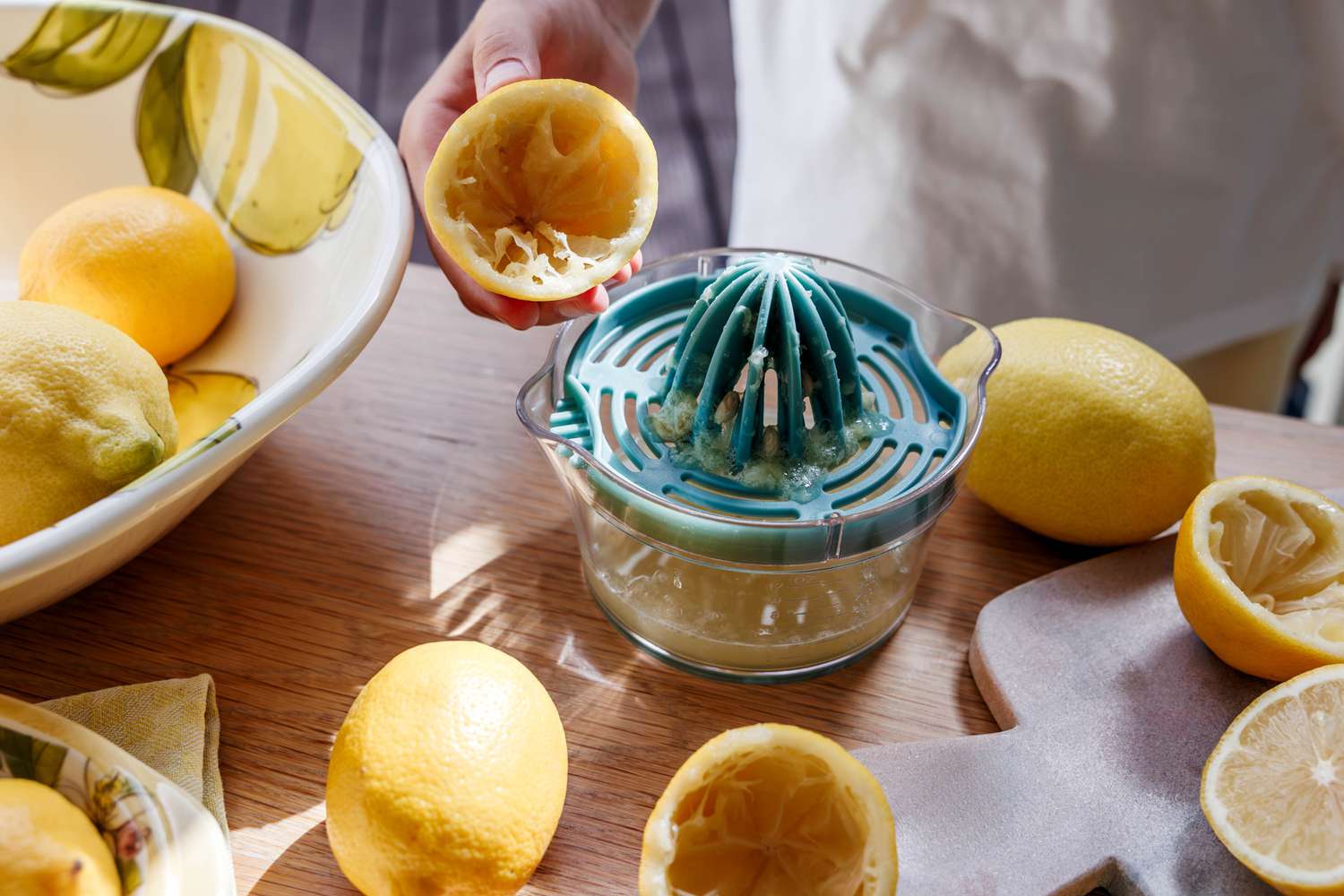
- Fresh Lemon Juice: This provides a concentrated source of citrate. Citrate binds with calcium in the urine, preventing it from forming the crystals that make up calcium oxalate stones. Consuming 60 milliliters of fresh lemon juice twice daily can reduce the recurrence rate of kidney stones by up to 38%.
- Apple Cider Vinegar: While the acetic acid in vinegar is often touted as a way to dissolve stones, the evidence is more modest. It may help alkalinize the urine, which is beneficial for uric acid stones, but it should always be diluted to protect tooth enamel.
- Olive Oil & Lemon: This classic lemon juice and olive oil kidney stone remedy is used by many to "lubricate" the passage. While oil doesn't literally grease the ureter, the combination encourages high fluid intake and provides the necessary citrate.
- Dandelion Root: Acts as a natural diuretic. By increasing the frequency of urination, you provide more opportunities for the stone to move downward.
- Celery Juice: Contains antioxidants and compounds that may help clear toxins and increase urine production, acting as a supportive fluid.
- Pomegranate Juice: Rich in antioxidants, it may improve overall kidney function and reduce the acidity of the urine, making it less hospitable for stone formation.
- Kidney Bean Broth: Traditionally used to improve urinary health, the broth from boiled kidney beans is high in fiber and minerals that support the kidneys.
- Basil Juice: Contains compounds that help stabilize uric acid levels. It also has mild anti-inflammatory properties that may help with the discomfort of a moving stone.
- Magnesium Supplementation: Magnesium helps regulate calcium absorption. Low magnesium levels are a known risk factor for developing calcium-based stones.
Many patients ask about natural ways to dissolve kidney stones. It is important to be realistic: while certain remedies can prevent a stone from getting bigger or help a uric acid stone break down over time, most stones need to be physically flushed out rather than "melted" away.
Managing Renal Colic: Kidney Stone Pain Relief at Home
The pain associated with stones, known as renal colic, occurs when the stone causes a spasm in the ureter or blocks the flow of urine. For kidney stone pain relief at home, non-steroidal anti-inflammatory drugs (NSAIDs) like ibuprofen are often more effective than opioids. NSAIDs reduce the inflammation and swelling in the ureter wall, which not only helps with pain but also provides more room for the stone to move.
You should also pay attention to the stages of passing a kidney stone at home symptoms. Initially, you will feel a dull ache or sharp stabs in the flank (your mid-back). As the stone moves down, the pain often shifts toward the lower abdomen and groin. When the stone reaches the junction between the ureter and the bladder, you may experience an urgent, frequent need to urinate.
Some patients find success with the "Jump and Bump" method. These are specific exercises to help pass kidney stones naturally that involve gentle rhythmic impact, like jumping lightly or taking the stairs, to use gravity to help the stone navigate the curves of the ureter.
When Home Remedies Aren't Enough: Emergency Signs
While passing a stone at home is often possible, you must know when to go to the ER for kidney stone pain. Natural management is only safe if the urine can still bypass the stone. If a stone completely obstructs the ureter, it can lead to hydronephrosis, which is a swelling of the kidney due to backed-up urine.
Seek Immediate Medical Care If You Experience:
- A fever over 101.5°F (38.6°C), which suggests an infection.
- Persistent nausea or vomiting that prevents you from keeping fluids down.
- Pain that is so severe it cannot be managed with over-the-counter medication.
- Inability to urinate or blood in the urine that looks like thick ketchup.
Ignoring these "Red Flags" can lead to permanent kidney damage or sepsis. Proactive home care is excellent, but a timely visit to a nephrologist can save you from complications that are far more expensive and painful than the stone itself.
2026 Medical Advancements: Beyond Home Care
The landscape of stone treatment has shifted significantly with the arrival of 2026 medical technology. In January 2026, the FDA cleared "Break Wave" ultrasound technology. This is a non-invasive, in-office procedure that uses focused sound waves to fragment stones into "stone dust" without the need for general anesthesia or a hospital stay. This bridges the gap for patients who have stones that are slightly too large for home remedies but who wish to avoid traditional surgery.
If a stone is larger than 2cm, a procedure called PCNL remains the gold standard. However, for most people, the focus remains on urine straining. Using a plastic strainer every time you go to the bathroom is vital. If you catch the stone, a stone composition analysis can be performed in a lab to determine exactly what it is made of, which is the only way to create a truly personalized prevention plan.
Prevention: Dietary Changes to Stop Recurrence
Once you pass a stone, the work isn't over. There is a 50% recurrence rate within ten years for those who do not make lifestyle adjustments. The most critical dietary changes to prevent calcium oxalate stones involve balancing your calcium and oxalate intake. Contrary to old advice, you should not cut out calcium; instead, eat calcium-rich foods alongside oxalate-rich foods (like spinach or nuts) so they bind in the stomach rather than the kidneys.
Additionally, keep your sodium intake below 2,300mg per day. High salt intake forces more calcium into your urine, which is a recipe for new stones. By combining these dietary habits with a high fluid volume, you can effectively break the cycle of stone formation and maintain long-term kidney health.
FAQ
How can I pass a kidney stone fast at home?
To pass a stone quickly, focus on aggressive hydration to increase urine output and use fresh lemon juice to provide urinary citrate. For stones under 10mm, consult a doctor about using alpha-adrenergic blockers like tamsulosin to relax the ureter and facilitate faster passage.
Can lemon juice and olive oil dissolve kidney stones?
While lemon juice provides citrate that can stop stones from growing and help prevent new ones, it rarely "dissolves" an existing hard stone instantly. The olive oil acts as a caloric source and part of a traditional flush, but its primary benefit is encouraging the high fluid intake necessary to physically push the stone out.
What are the signs that a kidney stone is moving?
The movement of a stone is often marked by shifts in the location of pain. You may feel the pain move from your upper back or flank down toward your lower abdomen and eventually into the groin or bladder area. An increased urgency to urinate often indicates the stone is near the bladder.
How long does it typically take to pass a kidney stone?
On average, a small stone under 4mm takes about 31 days to pass. Larger stones between 4mm and 6mm can take 45 days or longer. The time varies based on the stone's shape, its exact location in the ureter, and how much fluid you are consuming to flush the system.
When is a kidney stone considered a medical emergency?
A kidney stone becomes an emergency if it is accompanied by a high fever, chills, or persistent vomiting. These symptoms, along with an inability to pass urine or unbearable pain, indicate a potential infection or a complete blockage of the kidney that requires immediate hospital intervention.