Our Top Picks
| Product | Price/Serving | Best For | Certification |
|---|---|---|---|
| Thorne Creatine | ~$0.50 | Overall Performance | NSF Certified for Sport |
| Nutricost Micronized | ~$0.15 | Budget-Conscious | 3rd Party Tested |
| Kaged Creatine HCl | ~$0.75 | Solubility & Digestion | Informed Sport |
| Swoly Creatine Gummies | ~$1.20 | On-the-Go Convenience | 3rd Party Tested |
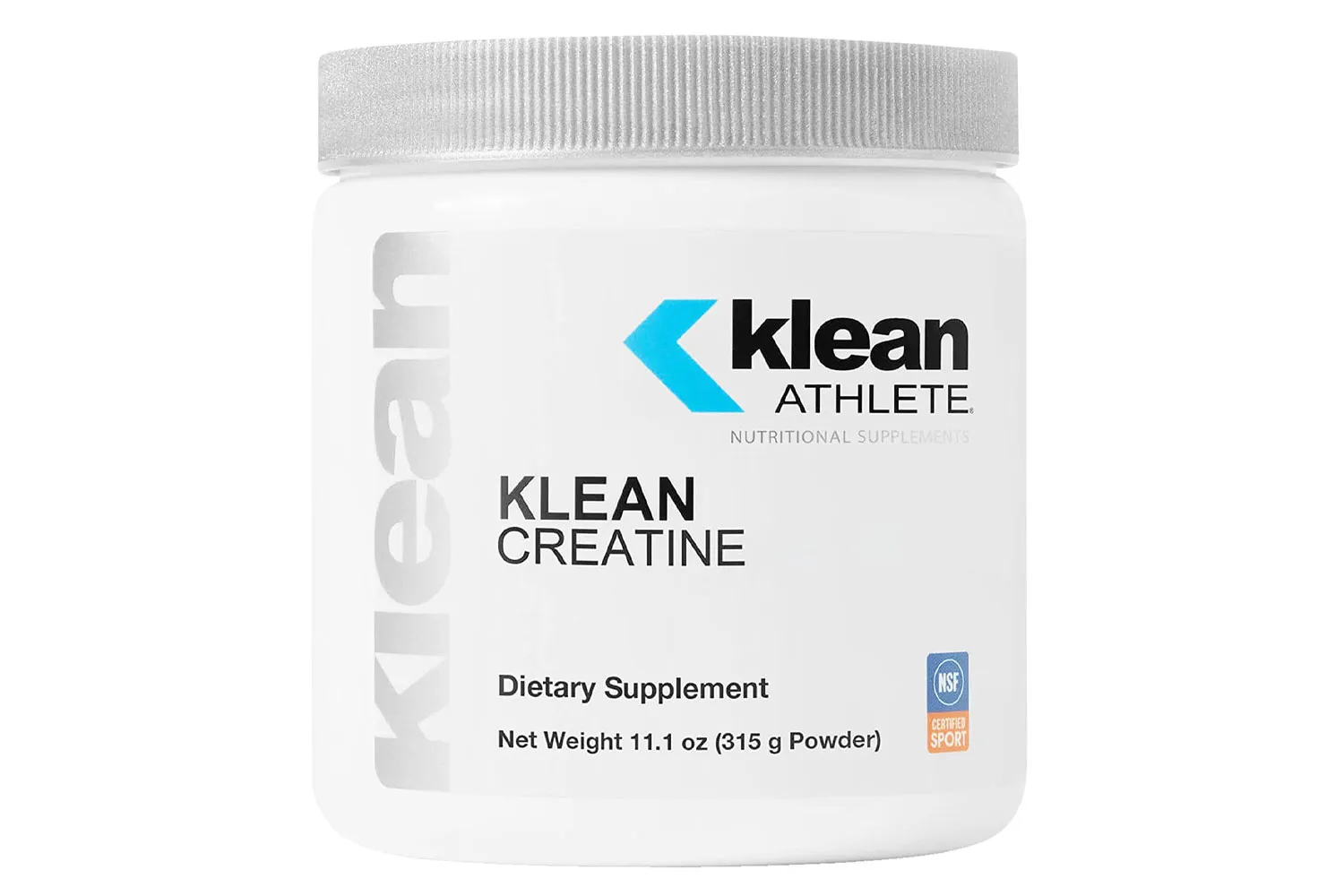
Creatine monohydrate is the most extensively researched supplement for increasing muscle mass, strength, and explosive power. It works by increasing phosphocreatine stores, which helps regenerate adenosine triphosphate (ATP) during high-intensity exercise. This process delays fatigue, supports muscle protein synthesis, and enhances recovery by improving intracellular hydration and lean muscle mass over time.
Why We Recommend Creatine for Strength Training
When we look at the hierarchy of sports supplements, very few molecules stand the test of clinical scrutiny like creatine. At its core, the supplement serves as a high-energy reservoir. During heavy lifting or sprinting, your muscles deplete their primary energy currency, adenosine triphosphate. By supplementing, you increase your body’s ability to rapidly re-phosphorylate ADP back into ATP production, allowing for that extra rep or that final burst of speed.
The data supporting this is overwhelming. Clinical reviews of resistance training studies found that creatine supplementation results in an average increase in muscle strength that is 8% greater and an increase in muscular endurance that is 14% greater than resistance training with a placebo. Furthermore, according to the International Society of Sports Nutrition, creatine monohydrate is the most effective ergogenic nutritional supplement currently available to athletes for increasing high-intensity exercise capacity and lean body mass.
For those focused on raw numbers, the impact is tangible. Supplementation combined with resistance training has been shown to increase upper-body maximal strength by an average of 4.43 kg and lower-body maximal strength by 11.35 kg more than resistance training alone. This is not just about water weight; it is about providing the physiological environment for hypertrophy and genuine force production. This is why choosing the best creatine supplements is a foundational step for any serious athlete.
Expert Reviews: The 10 Best Creatine Supplements of 2026
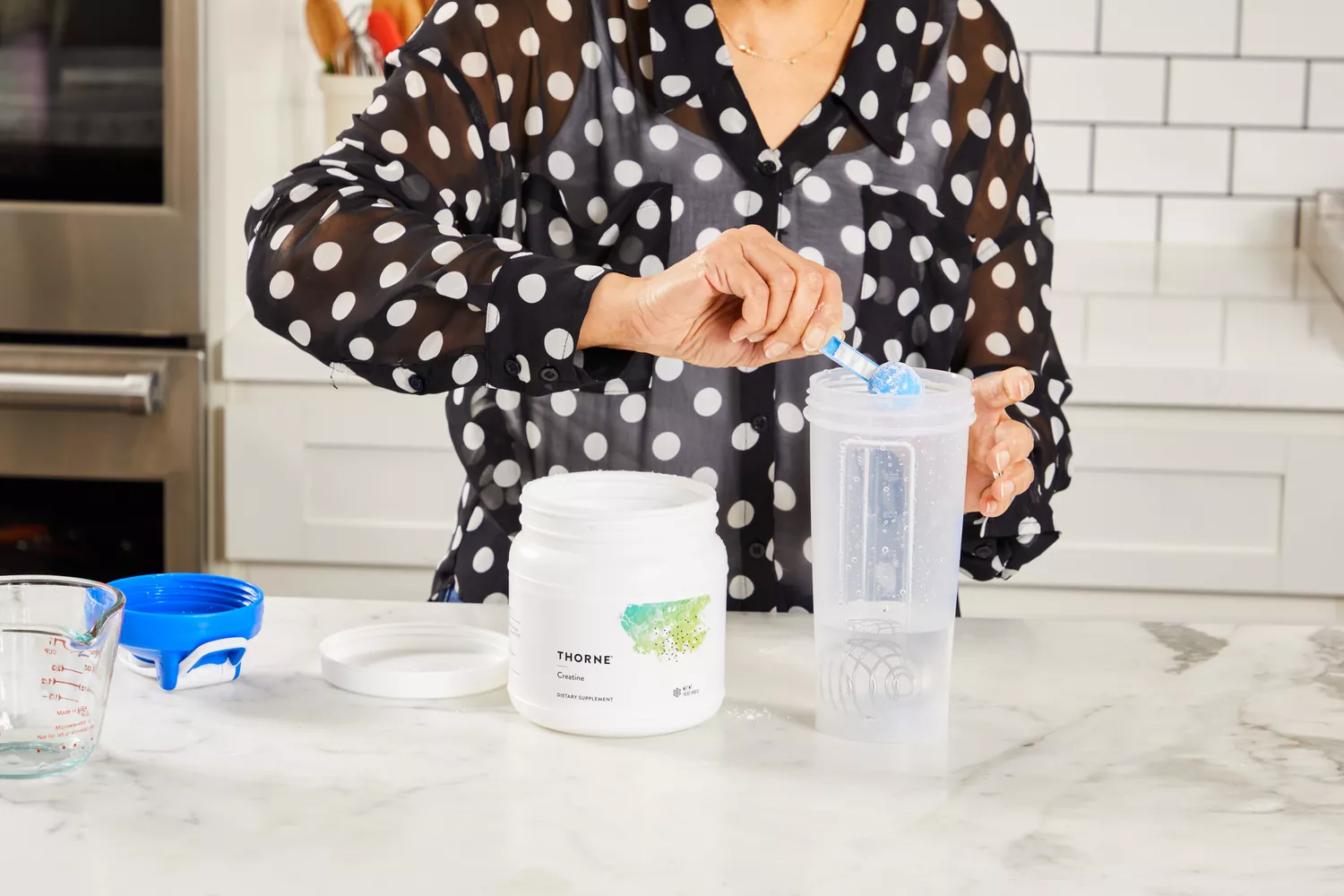
1. Thorne Creatine (Best Overall)
Thorne is a staple in professional locker rooms for a reason. Their commitment to purity and clinical efficacy makes this the gold standard for those who do not want to guess what is in their tub.
- Why We Picked It: It features high-quality micronized creatine monohydrate that is NSF Certified for Sport. This ensures it is free from over 200 substances banned by major athletic organizations.
- Pros: Excellent solubility, no grit, and verified purity.
- Cons: Higher price point than generic brands.
Tester Notes: Our team noted that this powder is virtually tasteless. When mixed with just 8 ounces of water, it stays in suspension much longer than cheaper, non-micronized versions.
2. Nutricost Micronized Creatine Monohydrate (Best Value)
If you are looking for the best value micronized creatine for beginners, Nutricost is the clear winner. It provides a massive number of servings at a fraction of the cost of premium brands.
- Why We Picked It: It offers a no-frills, 5-gram serving of pure monohydrate. While it lacks the NSF Sport badge, it is third-party tested for purity.
- Pros: Extremely affordable; available in massive 1kg tubs.
- Cons: The scooper is sometimes buried deep in the fine powder.
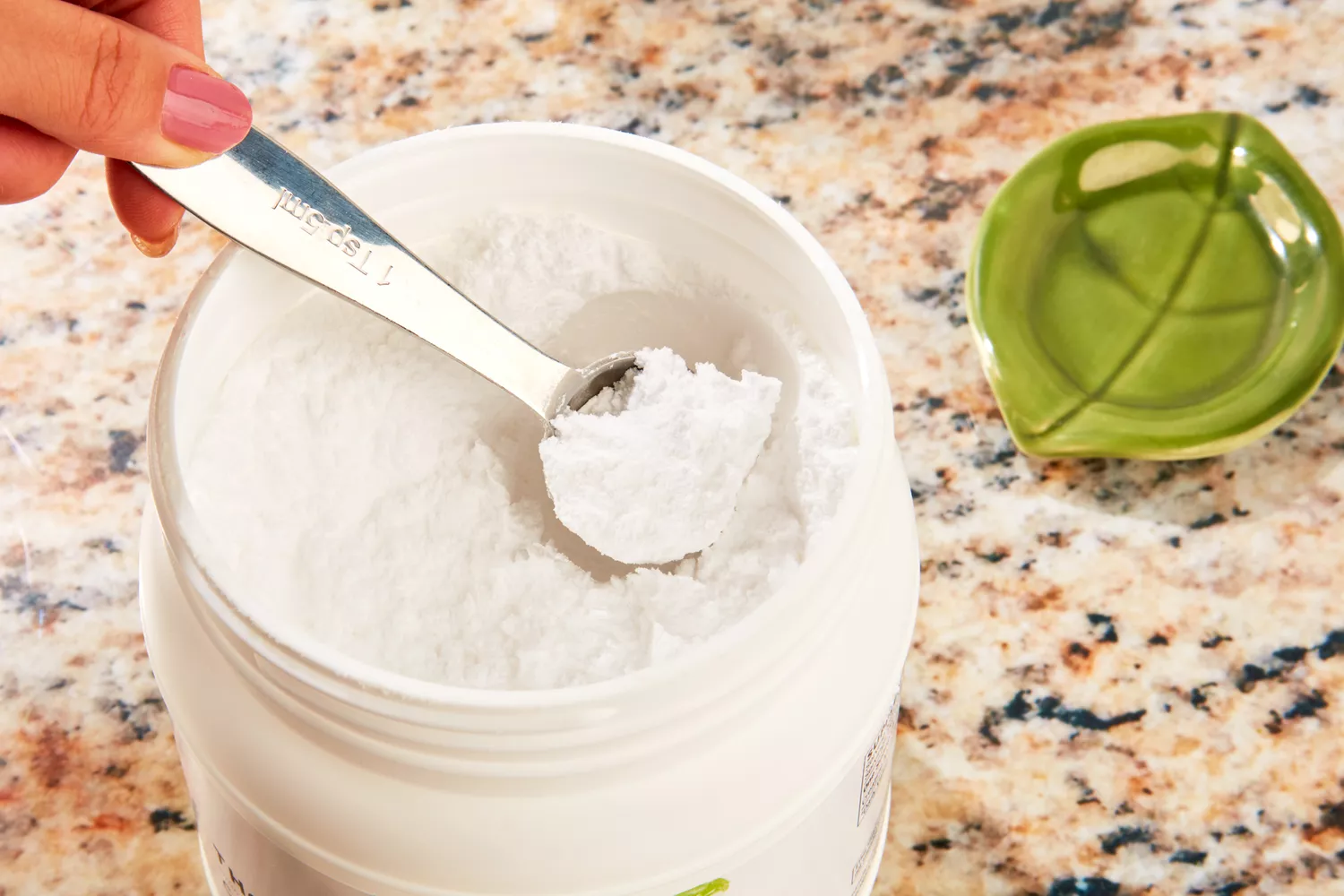
Tester Notes: The texture is like powdered sugar. It dissolves well enough in a protein shake, but you might see a tiny bit of settling if you drink it slowly in plain water.
3. Kaged Creatine HCl (Best for Digestion)
Some athletes experience bloating or gastric distress with monohydrate. Kaged offers a highly soluble hydrochloride (HCl) version that addresses these bioavailablity concerns.
- Why We Picked It: Creatine HCl is more soluble in water than monohydrate, which may allow for a smaller serving size to achieve muscle saturation.
- Pros: No loading phase required; very easy on the stomach.
- Cons: The unflavored version has a distinct, slightly acidic taste.
Tester Notes: We recommend mixing this with a flavored pre-workout or juice to mask the tartness of the HCl molecule.
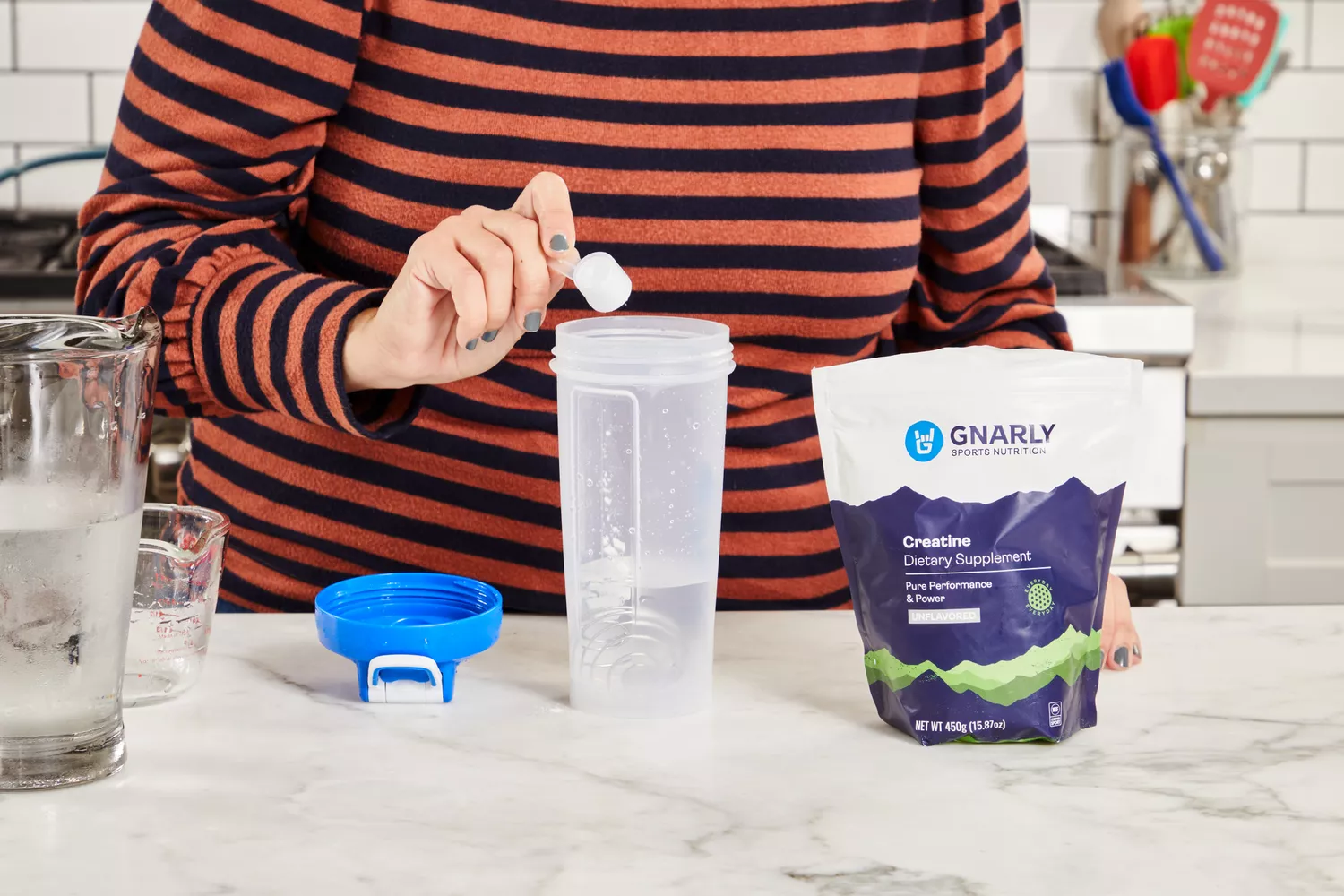
4. Gnarly Creatine (Best for Athletes)
For those competing at a high level, NSF certified creatine for competitive athletes is a non-negotiable requirement. Gnarly uses Creapure, a branded form of creatine manufactured in Germany known for its extreme purity.
- Why We Picked It: Creapure is 99.99% pure creatine monohydrate. Gnarly combines this high-quality source with rigorous batch testing.
- Pros: Cleanest sourcing available; easy-to-read labeling.
- Cons: Frequently out of stock due to high demand.
Tester Notes: This is one of the few powders that truly feels "clean." There is zero residue left on the sides of the shaker bottle.
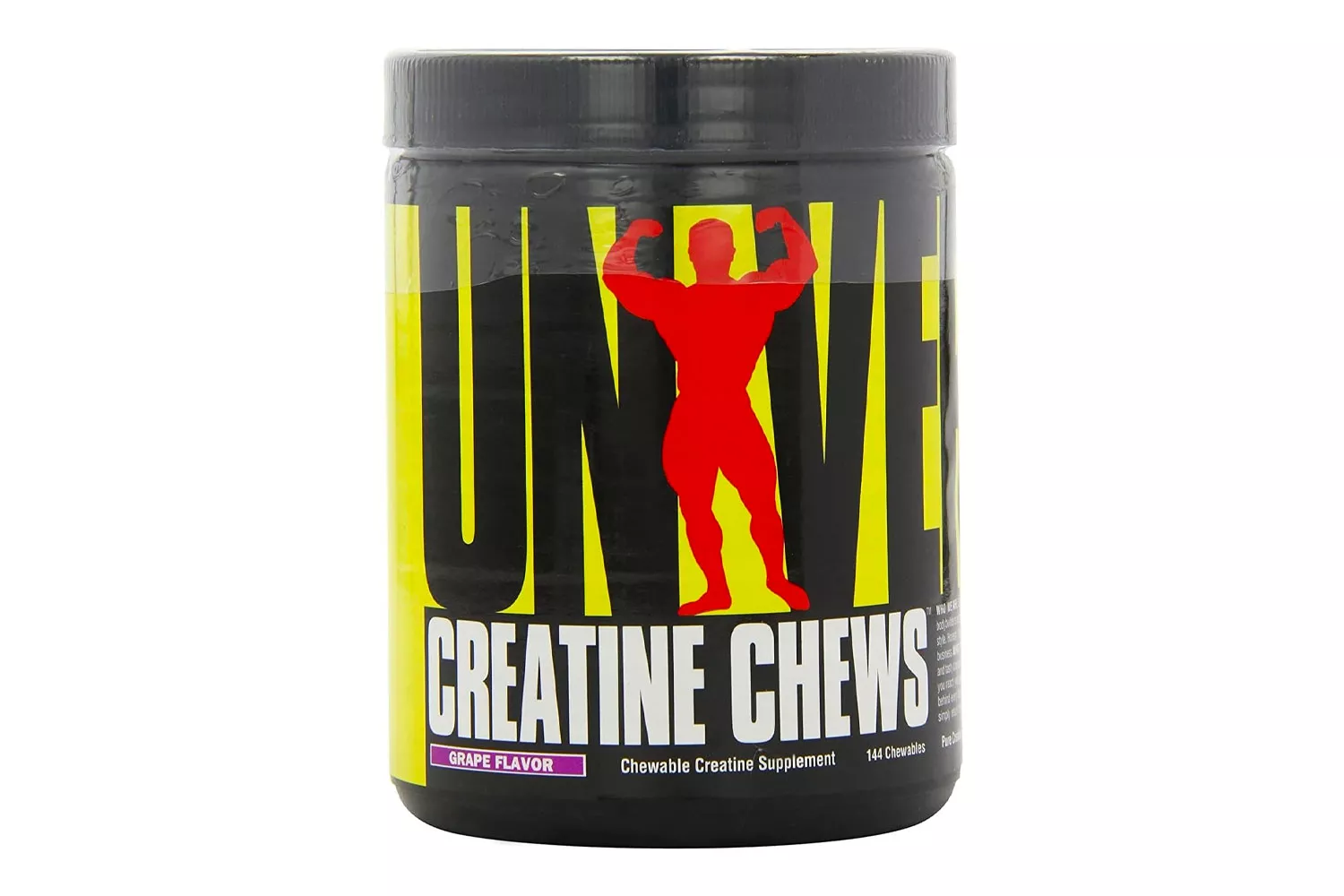
5. Swoly Creatine Gummies (Best for Convenience)
The supplement world is shifting toward better delivery methods. For many, the best creatine gummies vs powder for convenience debate is won by the ease of a chewable.
- Why We Picked It: Each gummy provides a precise dose, making it impossible to "miss" your daily requirement when traveling or at the office.
- Pros: Great taste; no mixing required.
- Cons: Higher cost per gram of creatine; includes some sugar.
Tester Notes: The strawberry flavor is genuinely pleasant. It feels more like a treat than a protocol step, which helps with daily compliance.
6. Transparent Labs Creatine HMB (Best for Muscle Retention)
This formula combines creatine monohydrate with HMB (β-Hydroxy β-Methylbutyrate), a metabolite of leucine that helps prevent muscle protein breakdown.
- Why We Picked It: It is specifically designed for athletes in a calorie deficit who want to maintain lean muscle mass while cutting fat.
- Pros: Synergistic effect between ingredients; zero artificial sweeteners.
- Cons: HMB has a very strong natural odor that can be off-putting.
Tester Notes: The Blue Raspberry flavor does a good job of masking the HMB "earthiness," but it is still noticeable.
7. Naked Creatine (Best Single Ingredient)
For those following vegan creatine supplements for strength training protocols, Naked Creatine offers a single-ingredient, plant-based powder with no additives.
- Why We Picked It: It contains exactly one ingredient: micronized creatine monohydrate. No fillers, no flavors, no dyes.
- Pros: Transparent sourcing; 100% vegan-friendly.
- Cons: The 1lb container is quite tall and narrow, making it hard to reach the bottom.
Tester Notes: This is the best option for adding to a morning coffee or oatmeal because it does not change the texture or flavor profile of the food.
8. Legion Recharge (Best Post-Workout)
Legion focuses on a post-workout recovery blend that includes creatine along with L-carnitine and corosolic acid to improve muscle recovery and insulin sensitivity.
- Why We Picked It: It is a comprehensive solution for creatine for muscle recovery, targeting both ATP replenishment and muscle soreness.
- Pros: Naturally sweetened; research-backed dosages.
- Cons: You are forced to take it with other ingredients; can't isolate the creatine.
Tester Notes: The Fruit Punch flavor is refreshing after a grueling leg session. It feels like a complete recovery drink rather than just a supplement.
9. Onnit Creatine (Best Basic Monohydrate)
Onnit provides a simple, effective, and well-tested monohydrate that fits into any performance stack.
- Why We Picked It: It is Informed Sport certified, providing another layer of trust for drug-tested athletes.
- Pros: Reliable results; mixes well with other Onnit supplements like Alpha BRAIN.
- Cons: Nothing particularly unique about the formula.
Tester Notes: It performs exactly as expected. It is a reliable workhorse for any strength athlete.
10. Bare Performance Nutrition (BPN) Creatine (Best for Women)
While creatine is for everyone, BPN has done a great job marketing creatine supplements for women's strength gains by focusing on education and transparency.
- Why We Picked It: Their focus on "Go One More" culture is backed by high-quality, third-party tested monohydrate.
- Pros: Strong community support; very fine micronization.
- Cons: Slightly more expensive than other basic monohydrates.
Tester Notes: The powder is incredibly fine, almost like silk. It disappears into any liquid instantly.
How to Choose the Right Creatine for Your Goals
With so many creatine monohydrate reviews online, it is easy to get bogged down in the minutiae. When you are learning how to choose creatine for muscle recovery, prioritize these three factors:
- Purity and Certification: Look for the NSF Certified for Sport or Informed Sport seals. These ensure the product contains what it says on the label and nothing else.
- Micronization: Standard monohydrate can be gritty. Micronized versions have been processed to reduce particle size, which improves bioavailability and mixability.
- Ingredient Transparency: Avoid "proprietary blends." You want to see exactly how many grams of creatine you are getting per serving.
While some marketing suggests that specialized forms like Creatine Nitrate or Buffered Creatine are superior, the sports science community generally agrees that monohydrate remains the most effective and cost-efficient option for lean muscle mass gains.
Proper Protocol: Loading, Timing, and Dosage
To maximize the benefits of the best creatine supplements, you need a consistent protocol. There are two primary ways to saturate your muscle stores:
- The Loading Phase: Consume 20 grams per day (divided into four 5-gram doses) for five to seven days. This rapidly increases muscle phosphocreatine levels.
- The Maintenance Route: Consume 3 to 5 grams daily from the start. This will take about three to four weeks to reach full saturation but often results in less initial water retention.
Timing is less critical than consistency, but some evidence suggests that consuming your dose with a carbohydrate-rich meal can improve uptake via insulin-mediated transport. This helps drive the molecule into the muscle cells where it can support hypertrophy and intracellular hydration.
FAQ
What is the best type of creatine to take?
Creatine monohydrate is the most recommended type because it has the most extensive research backing its safety and effectiveness. Micronized monohydrate is often preferred for its superior solubility in liquids.
Does creatine actually build muscle?
Yes, but indirectly. Creatine allows you to perform more work (volume) during high-intensity training and increases intracellular hydration, both of which are powerful signals for muscle protein synthesis and lean muscle mass growth.
Is it safe to take creatine every day?
For healthy individuals, daily supplementation is considered safe and is actually necessary to keep muscle stores saturated. Long-term studies have shown no adverse effects on kidney or liver function in healthy adults.
Should I take creatine before or after a workout?
Consistency is more important than specific timing. However, taking it post-workout with a recovery shake or meal may slightly improve absorption due to the insulin response from carbohydrates and protein.
Is creatine monohydrate better than HCL?
Monohydrate has more clinical evidence supporting its effectiveness for strength and power. Creatine HCl is more soluble and may be better for individuals who experience digestive issues with monohydrate, but it has not been proven to build more muscle.