Quick Facts
- Curcumin Content: Pure turmeric powder contains an average of 3.14% curcumin by weight, while commercial curry powder averages only 0.29%.
- Bioavailability Boost: Consuming turmeric with black pepper (piperine) increases the absorption of curcumin by up to 2,000%.
- Glycemic Index: Pure turmeric has a glycemic index of 0; curry powder has a glycemic index of approximately 5.
- Nutrient Density: Turmeric is in the top 2% of foods for iron content, providing 55mg per 100g.
- Inflammatory Markers: Daily curcumin doses of 80 mg to 1,500 mg can significantly lower systemic C-reactive protein (CRP) levels.
- Best Usage: Choose pure turmeric for therapeutic goals like arthritis relief; use curry powder for culinary variety and vitamins A, E, and K.
Pure turmeric contains a much higher concentration of curcumin, the primary active compound responsible for fighting chronic inflammation, compared to curry powder. While turmeric is the base of most curry blends, the additional spices in curry dilute the curcumin content. Consequently, pure turmeric is more effective for therapeutic purposes like arthritis relief, while curry powder serves as a broader culinary source of various micronutrients.
Composition Breakdown: Why the Curcumin Content Matters
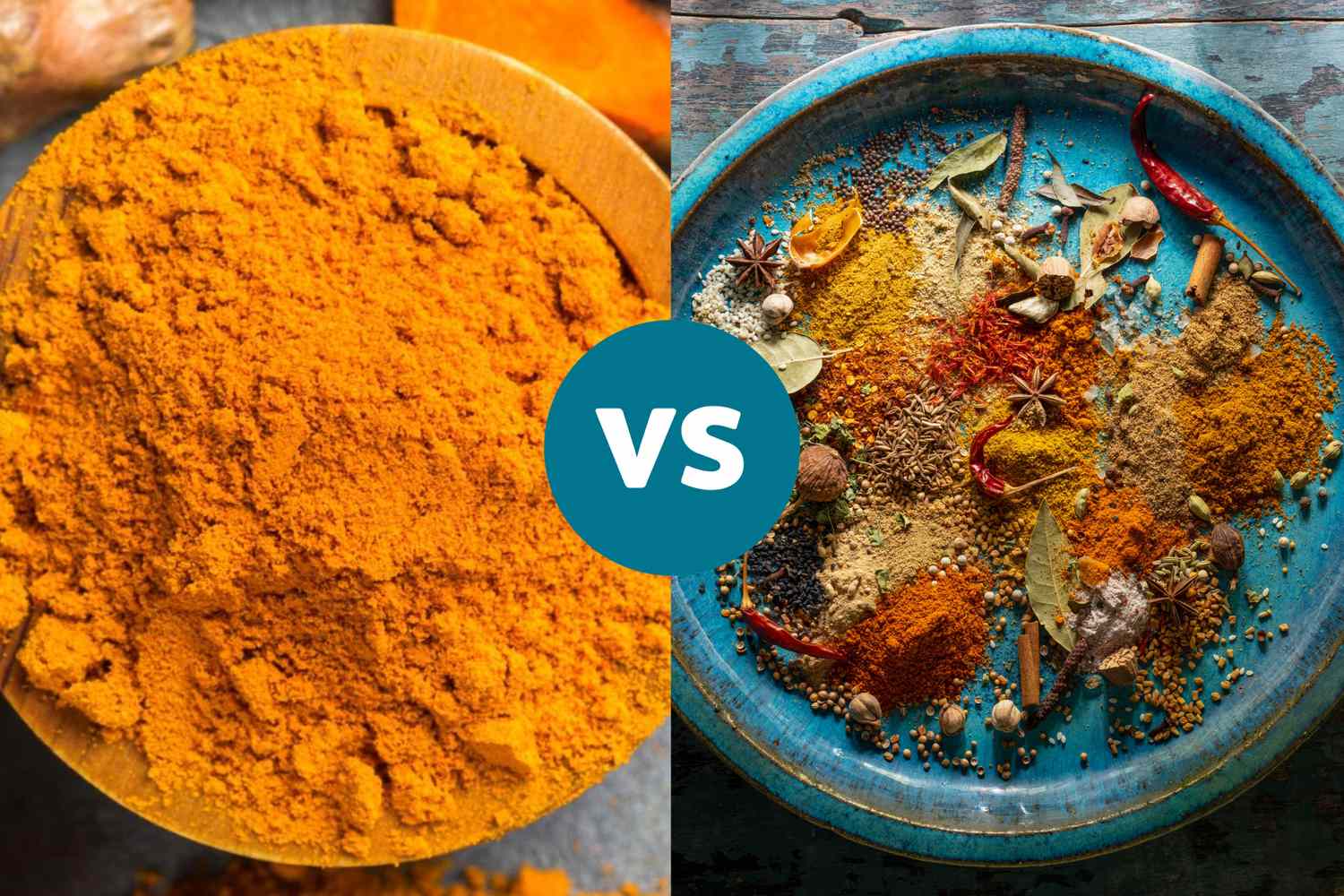
When evaluating the health benefits of pure turmeric vs blends, we must first look at the biological makeup of these substances. Turmeric is a single-ingredient spice derived from the rhizome extract of the Curcuma longa plant. In its pure form, it is a concentrated source of curcuminoids, the bioactive polyphenols that give the root its signature gold color and medicinal power.
In contrast, curry powder is a kitchen staple that functions as a blend of several different spices. While turmeric is almost always the foundation of curry, it is mixed with ingredients like coriander, cumin, fenugreek, and chili peppers. This creates a broader flavor profile but leads to a significant dilution of the active medicinal compounds.
The analytical data is quite clear on this distinction. Research shows that pure turmeric powder contains an average of 3.14% curcumin by weight. On the other hand, commercial curry powder contains significantly less, with an average curcumin concentration in curry powder of approximately 0.29%. This means that to get the same amount of curcumin found in a single teaspoon of pure turmeric, you might need to consume more than ten teaspoons of curry powder.
For individuals choosing between turmeric supplements and curry powder for health goals, this concentration gap is the most critical factor. While curry provides a delightful synergistic effect from its various seeds and herbs, it cannot match the anti-inflammatory potency of the pure rhizome.
| Nutritional Metric | Pure Turmeric Powder | Commercial Curry Powder |
|---|---|---|
| Curcumin Concentration | ~3.14% | ~0.29% |
| Glycemic Index (GI) | 0 | ~5 |
| pH Level (Alkalinity) | 35.5 (High) | 17.4 (Moderate) |
| Iron Content (per 100g) | 55mg | Variable (~19mg) |
| Key Minerals | Iron, Manganese, Potassium | Calcium, Magnesium |
| Key Vitamins | Vitamin B6, Vitamin C | Vitamin A, E, K |
Anti-Inflammatory Spices for Blood Sugar and Metabolic Health
Beyond basic inflammation, many of my readers are interested in anti-inflammatory spices for blood sugar management. Both of these spices are excellent additions to a metabolic-friendly diet because they are low-glycemic foods. However, turmeric is slightly superior in this regard. The glycemic index of turmeric vs curry powder reveals a score of 0 for pure turmeric and approximately 5 for curry powder. This negligible impact on blood glucose makes them ideal for those managing insulin resistance or oxidative stress.
Curcumin acts on the metabolic system by targeting the NF-kB and COX-2 pathways, which are often overactive in individuals with systemic inflammation. By quieting these pathways, pure turmeric helps reduce the metabolic "noise" that can interfere with insulin signaling.
Furthermore, the mineral profile of these spices supports long-term metabolic health. Turmeric is a powerhouse of iron and manganese, providing essential cofactors for antioxidant enzymes in the body. Curry powder, because of the inclusion of diverse seeds, offers a more varied profile of vitamins A, E, and K, as well as higher calcium levels. If you are looking for a mineral supplement through food, turmeric is the winner; if you want a broad spectrum of fat-soluble vitamins, curry powder is a fantastic culinary addition.
Bioavailability: The Critical Role of Piperine and Fats
The biggest challenge with curcumin is not its potency, but its delivery. In the world of botanical medicine, we discuss bioavailability, which refers to how much of a substance actually reaches the systemic circulation. Naturally, curcumin has poor bioavailability because the liver metabolizes it and excretes it very quickly.
This is where the wisdom of traditional cooking meets modern clinical evidence. The best way to absorb turmeric for inflammation is to pair it with black pepper and dietary fats.
Clinical Insight: The co-administration of piperine, a compound found in black pepper, has been shown to increase the bioavailability of curcumin by up to 2,000% in humans.
When you are cooking with turmeric and black pepper for health, the piperine essentially "slows down" the liver's metabolism of the curcumin, allowing it to stay in your bloodstream longer. Furthermore, because curcuminoids are fat-soluble, they require dietary fats—such as olive oil, coconut milk, or avocado—to be properly absorbed through the gut lining.
This is one area where curry powder has a natural advantage. Most traditional curry recipes already include black pepper and are cooked into fat-rich sauces. However, if you are using pure turmeric for its higher curcuminoids content, you must remember to manually add that pinch of black pepper and a healthy fat source to ensure you aren't just flushing the benefits away.
Choosing for Your Condition: Arthritis vs. General Wellness
When deciding which spice to use, you must identify your specific health objective. The therapeutic dosage required for clinical results is often much higher than what we consume in a casual meal.
For those looking for turmeric vs curry powder for arthritis relief, pure turmeric or high-potency turmeric extracts are the only realistic options. Clinical meta-analyses indicate that curcumin supplementation in doses ranging from 80 mg to 1,500 mg per day can significantly reduce systemic inflammatory markers such as C-reactive protein (CRP) and tumor necrosis factor-alpha (TNF-α) over a period of 4 to 12 weeks. To reach the lower end of that therapeutic range (80 mg) using curry powder, you would need to eat massive quantities of curry every single day, which is neither practical nor palatable for most.
However, if your goal is general wellness and the prevention of oxidative stress, curry powder is an excellent choice. It provides a synergistic effect where the different antioxidants in cumin, ginger, and cloves work together to support the immune system.
Naomi’s Protocol for Chronic Inflammation:
- For Arthritis or Acute Joint Pain: Aim for 500mg to 1,000mg of curcumin daily via a pure turmeric extract standardized to 95% curcuminoids.
- For Metabolic Support: Incorporate 1 teaspoon of pure turmeric into daily smoothies or soups, always accompanied by black pepper.
- For General Health: Use curry powder liberally in cooking to benefit from the diverse micronutrients and low glycemic index.
FAQ
Is turmeric the same thing as curry powder?
No, turmeric is not the same as curry powder. Turmeric is a single spice made from the ground root of the Curcuma longa plant. Curry powder is a blend of many different spices, including turmeric, coriander, cumin, and pepper. While turmeric gives curry its yellow color, they are distinct products with different chemical profiles.
What are the main differences between turmeric and curry powder?
The main differences lie in concentration and composition. Pure turmeric is 100% ground rhizome and contains about 3% curcumin. Curry powder is a mixture where turmeric is only one of many ingredients, resulting in a much lower curcumin concentration of roughly 0.3%. Turmeric is used primarily for its anti-inflammatory properties and earthy flavor, while curry powder is used for its complex, aromatic culinary profile.
Can I use curry powder instead of turmeric for its health benefits?
You can use curry powder as a healthy addition to your diet, but it is not a direct substitute for the therapeutic benefits of turmeric. Because the curcumin is so diluted in curry blends, you would not receive the same anti-inflammatory "punch" needed for conditions like joint pain or metabolic issues. For targeted health benefits, pure turmeric is required.
Which is better for inflammation: turmeric or curry powder?
Pure turmeric is significantly better for inflammation. It provides more than ten times the amount of curcumin—the primary anti-inflammatory agent—found in curry powder. While curry powder contains other healthy spices, it lacks the concentrated dosage of curcuminoids necessary to significantly move the needle on systemic inflammatory markers.
What other spices are in curry powder besides turmeric?
Depending on the brand or regional recipe, curry powder typically contains coriander, cumin, fenugreek, and black pepper. Many blends also include ginger, mustard seeds, fennel, cinnamon, cloves, and cardamom. These spices provide additional vitamins and a synergistic effect, but they also reduce the total percentage of turmeric in the bottle.
Conclusion
In the debate of turmeric vs curry powder, the winner depends entirely on your kitchen and health goals. If you are battling chronic inflammation or seeking turmeric vs curry powder for arthritis relief, the high curcumin concentration in curry powder is simply too low to be effective; you should reach for pure turmeric powder or a high-quality supplement.
However, do not discount the humble curry blend. It remains a fantastic tool for holistic wellness, offering a low glycemic index and a wide array of micronutrients that pure turmeric lacks. To get the best of both worlds, use curry powder for your daily flavor and culinary enjoyment, but supplement with pure turmeric and a pinch of black pepper when your body needs a clinical-strength anti-inflammatory boost. By understanding the bioavailability and the role of dietary fats, you can ensure that these ancient spices deliver modern results for your long-term health.