Quick Facts
- Packaging Crisis: The beauty industry produces 120 billion units of packaging waste annually, prompting a shift toward plastic-free solutions.
- The Gold Standard: Top leaders now view B Corp Certification and 1% for the Planet membership as the baseline for environmental stewardship.
- Material Innovation: Brands like Stella McCartney have achieved a 92% impact reduction by switching to recycled cashmere over virgin materials.
- Community Impact: Mānuka Health manages over 15,000 bee colonies, ensuring ecosystem health while returning resources to indigenous communities.
- Water Stewardship: Aveda has raised a cumulative total of $50 million since 1999 to support global clean water projects.
- Circular Leadership: Programs like Lululemon Like New and Patagonia Worn Wear are mainstreaming the circular economy through product repair and resale.
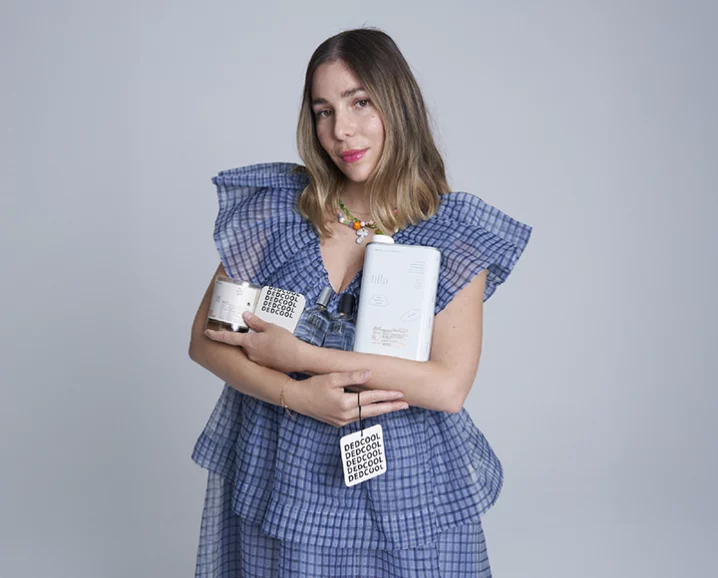
Leading sustainable brands in the wellness and beauty space, such as True Botanicals, DedCool, and Tower 28, prioritize environmental stewardship through B Corp Certification and carbon-neutral operations. These companies focus on clean, biodegradable formulas and post-consumer recycled packaging to reduce their ecological footprint. Their leadership often integrates sustainability into daily rituals, ensuring that ethical sourcing and transparency remain core business values rather than seasonal marketing efforts.
Earth Month 2026 marks a shift from seasonal marketing to deep-seated environmental stewardship. Leading sustainable brands are no longer just 'green'; they are regenerative, circular, and transparent. From microbiome science to plastic-free packaging, wellness founders are redefining what it means to lead in a climate-conscious market. As consumers demand more than just a recycled box, the pioneers of the wellness industry are proving that high-performance products can thrive while actively healing the planet.

The Pioneers: Founders Redefining Sustainable Beauty Brands
The conversation around sustainable beauty brands has moved far beyond the absence of parabens. Today, it is about the health of the soil and the integrity of the water supply. Founders like Hillary Peterson of True Botanicals and Amy Liu of Tower 28 are leading this charge by proving that clinical results do not require chemical trade-offs. They are moving the industry toward a model where the health of the user’s skin is inextricably linked to the health of the earth.
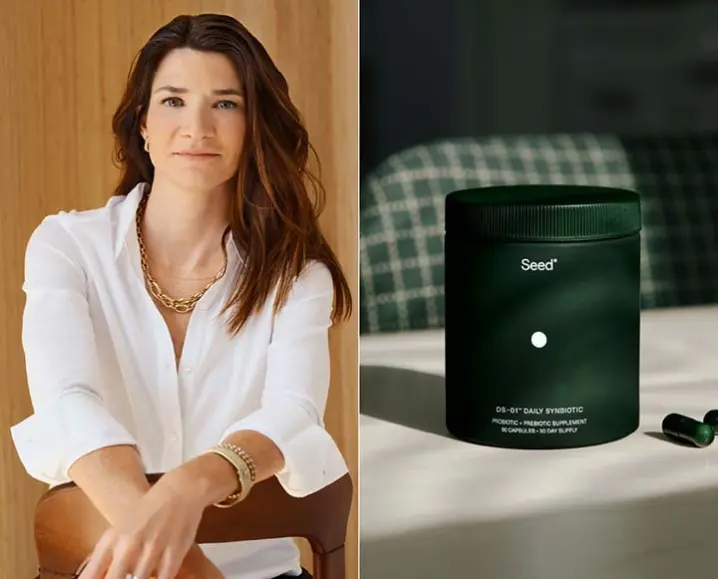
A major pillar of this movement is the integration of microbiome science. Brands like Seed Health are not just selling probiotics; they are educating the public on how our internal ecosystems mirror external ones. By utilizing regenerative agriculture to source botanical ingredients, these founders ensure that their supply chains actually put nutrients back into the earth rather than stripping them away. This holistic approach ensures that every serum and supplement supports a larger cycle of renewal.
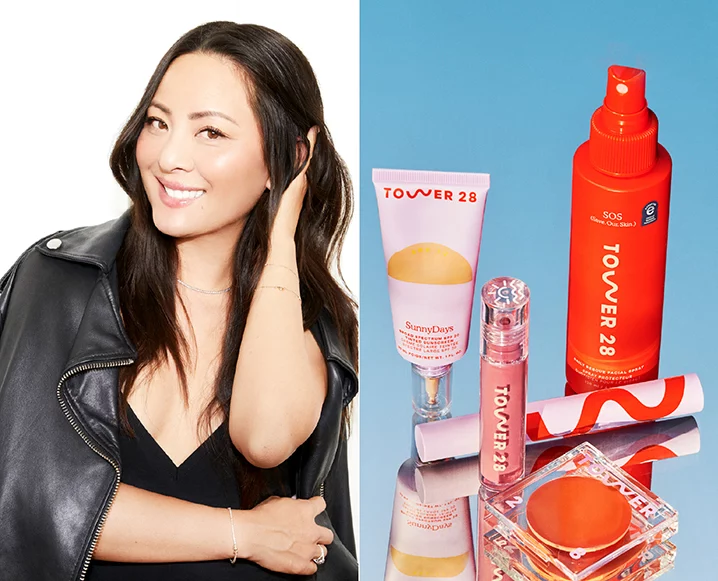
Packaging remains the most visible battleground. Leading sustainable skincare brands have transitioned to using 50-100% post-consumer recycled packaging or entirely glass and aluminum vessels. For example, Aveda’s commitment to the environment is legendary; their 2024 Earth Month initiative pledged $5 from the sale of specific products to global water charities, adding to a legacy that has protected clean water for millions.
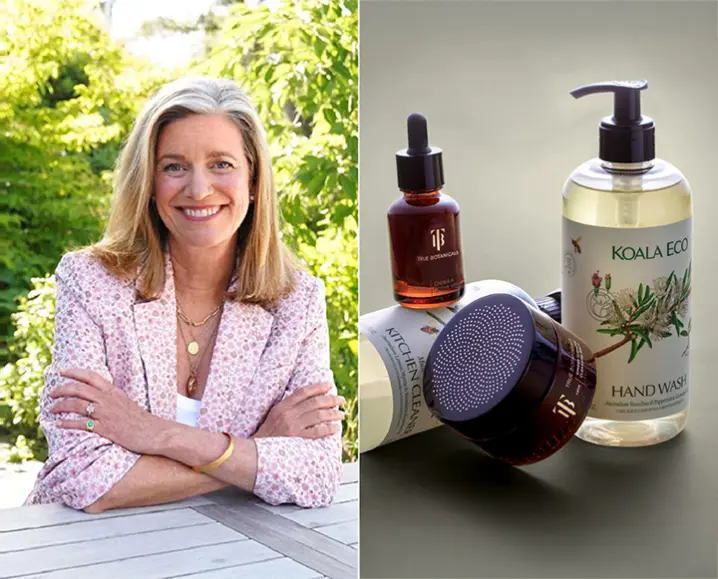
Many sustainable fragrance brands are also ditching traditional mystery ingredients for full transparency. By focusing on biodegradable formulas, these founders ensure that when their products eventually wash down the drain, they do not disrupt aquatic life. This level of detail—from the soil to the sea—defines the new era of wellness leadership.
Leading the List: Sustainable Clothing Brands and the Circular Economy
When looking at a sustainable brands list for the fashion world, the focus has shifted from "fast" to "forever." Founders are embracing slow fashion principles, which prioritize quality and longevity over trend-driven consumption. Brands like Cleobella, Quince, and tentree are leading the way by emphasizing ethical manufacturing and the use of low-impact materials like GOTS-certified organic cotton and Tencel.
The circular economy is perhaps the most significant innovation in this sector. Rather than a linear "take-make-waste" model, brands are creating systems where products can be repaired, resold, or recycled. Patagonia has long been the activist leader in this space, but now we see sustainable activewear brands following suit. For instance, Lululemon’s 'Like New' program allows customers to trade in used gear for credit, extending the lifecycle of garments and keeping them out of landfills.
Sustainability Specs: How Top Brands Compare
| Brand | Primary Materials | Key Certification | Impact Focus |
|---|---|---|---|
| True Botanicals | Bio-certified botanicals | MADE SAFE | Plastic-free shipping |
| Cleobella | GOTS organic cotton | B Corp | Ethical manufacturing |
| Quince | Recycled cashmere/silk | OEKO-TEX | Fair wages & direct-to-consumer |
| tentree | Tencel / Recycled Poly | B Corp | Planting 10 trees per item |
| Patagonia | Recycled fishing nets | Fair Trade | 1% for the Planet |
The use of GOTS-certified organic cotton is critical because it ensures that no toxic pesticides are used, protecting both the farmers and the soil. Founders are also looking at innovative fibers like Tencel, which is derived from sustainably sourced wood pulp and processed in a closed-loop system where 99% of the water and solvents are recycled. By choosing these materials, sustainable clothing brands significantly reduce their carbon footprint and water usage.
Strategy Archetypes: How Founders Drive Change
Not all sustainable wellness brands take the same path to environmental stewardship. We can generally categorize these leaders into three "Founder Archetypes," each bringing a unique strength to the movement:
- The Scientist: These founders, like the team at Seed Health, lead with data and microbiome science. They view the human body as an extension of the planet and use rigorous clinical testing to ensure their products are as effective as they are ethical.
- The Activist: Represented by the legacy of Patagonia or the bold stances of brands like 1% for the Planet members. These leaders use their platforms to lobby for policy change and donate significant portions of their revenue to environmental causes.
- The Designer: Figures like Stella McCartney or the founders of Cleobella who prove that sustainability is a luxury. They focus on the aesthetic and material quality, making eco-conscious living aspirational.
"True sustainability isn't just about what you take out of a bottle; it’s about what you leave behind in the soil. We are moving toward a future where every purchase is a vote for a healthier planet." — Anonymous Founder Philosophy
Market research shows that approximately 33% of consumers are now willing to pay a premium for brands that align with their personal values. This shift is driving innovation in unexpected places. For example, Izzy has introduced 10,000-time refillable tubes for beauty products, aiming to eliminate the concept of waste entirely. By focusing on carbon neutrality and ethical manufacturing, these founders are making it easier for the average person to live a high-impact, low-footprint life.
FAQ
What are examples of sustainable brands?
Leading examples include Patagonia for outdoor gear, True Botanicals for skincare, and Cleobella for fashion. These companies are often B Corp certified and prioritize plastic-free packaging, ethical manufacturing, and carbon neutrality.
Is lululemon ethical?
Lululemon has made significant strides in ethical manufacturing by implementing a robust Global Code of Conduct for its suppliers. They are committed to fair labor practices and have increased transparency in their supply chain, though like all large-scale manufacturers, they face ongoing scrutiny regarding the total environmental impact of synthetic fibers.
Is lululemon sustainable?
Lululemon is moving toward a more sustainable model through its Be Planet goals, which include using 100% renewable electricity for its operations. Their 'Like New' resale program is a prime example of the circular economy in action, helping to reduce the waste associated with activewear.
What brand is Gen Z wearing?
Gen Z is increasingly gravitating toward brands that offer a mix of sustainability and affordability, such as Quince and various thrifting platforms. They value transparency and often support sustainable wellness brands that take a vocal stand on social and environmental issues.
As we look beyond Earth Month, the message from these founders is clear: environmental stewardship is not a trend; it is a prerequisite for doing business in the modern world. By supporting 1% for the Planet members and seeking out brands with transparent sustainability specs, we can all contribute to a more regenerative future. Choosing sustainable wellness brands is no longer just a personal health choice—it’s a commitment to the longevity of the planet we share.