2026 Guide to Winter Respiratory Viruses: COVID, Flu, RSV
Quick Facts
- Identification: Distinguishing between COVID-19, the flu, and RSV requires monitoring fever, cough, and congestion patterns. While these illnesses share many respiratory symptoms, the flu often causes sudden high fever and muscle aches, whereas RSV is frequently characterized by intense congestion and wheezing.
- Testing Priority: Because symptoms overlap significantly, using multiplex home test kits is the most reliable way to identify the specific virus and determine the correct course of antiviral treatment.
- Peak Severity: The Centers for Disease Control and Prevention (CDC) reported that the combined peak hospitalization rate for COVID-19, influenza, and RSV during the 2025-2026 season reached 16.6 per 100,000 people during the week ending January 3, 2026.
- Dominant Strain: A new subclade of influenza A(H3N2), identified as subclade K, emerged as the predominant strain in the United States, accounting for roughly 90% of characterized influenza A(H3N2) viruses by mid-December 2025.
- Prevention Timing: Health experts recommend receiving updated flu and COVID-19 boosters in the early autumn to build peak immunity before seasonal surges.
- Air Quality: At home, improving indoor air quality through HEPA filtration and practicing consistent hand hygiene are proven strategies to reduce viral shedding and prevent cross-contamination.
As we enter the peak of the 2026 winter respiratory virus season, distinguishing between COVID-19, Influenza A (H3N2), and RSV is more critical than ever. With the emergence of Subclade K flu and evolving COVID variants, understanding the specific symptom patterns and the 48-hour antiviral window is essential for recovery. This guide provides the tools you need to manage home care, understand vaccination timing, and decide when it is time to seek professional medical attention.
The 2026 Landscape: H3N2 and Subclade K Flu
The current winter respiratory virus season has been shaped significantly by the rapid spread of Influenza A(H3N2). Specifically, a new variant known as subclade K has overtaken previous strains with remarkable speed. By mid-December 2025, epidemiological trends indicated that this specific subclade was responsible for nearly nine out of ten influenza A cases. This dominance contributed to a sharper rise in clinical visits compared to the previous two winters.
The severity of the season was underscored by the CDC data showing a combined peak hospitalization rate of 16.6 per 100,000 people at the start of January 2026. This surge reflects the "triple threat" dynamic, where COVID-19 and RSV circulate alongside a particularly aggressive flu strain. For many patients, the risk of secondary infections, such as bacterial pneumonia, increases when the primary viral infection causes significant inflammation in the lungs. Furthermore, the high rate of viral shedding associated with subclade K means that household transmission occurs more rapidly, often affecting entire families within a single week.
Call-out: Subclade K Specific Warning Subclade K is associated with a faster onset of high fever than previous H3N2 strains. If you experience a sudden "wallop" of exhaustion and a fever over 102°F, it is highly likely to be this specific flu variant. Early intervention is key.
Comparison Matrix: COVID vs. Flu vs. RSV vs. Cold
Navigating the symptoms of these viruses can be confusing because the incubation window for many current variants has shortened. Most people now see symptoms appear 2 to 3 days after exposure. To help you differentiate, we have developed a COVID-19 flu and RSV symptom comparison to guide your initial assessment.
| Symptom | COVID-19 | Influenza (Subclade K) | RSV | Common Cold |
|---|---|---|---|---|
| Onset | Gradual or Sudden | Abrupt/Sudden | Gradual | Gradual |
| Fever | Common (varies) | High, Sudden | Low-grade | Rare |
| Cough | Dry/Persistent | Dry/Severe | Wheezing/Wet | Mild/Productive |
| Congestion | Moderate | Mild | Intense/Heavy | Common |
| Muscle Aches | Common | Severe/Exhausting | Mild | Rare |
| Unique Marker | Loss of taste/smell (rare now) | Extreme Fatigue | Wheezing/Stridor | Sneezing |
The COVID-19 flu and RSV symptom comparison 2026 edition shows that while fatigue is universal, the "depth" of that fatigue is most pronounced in flu cases. Conversely, RSV stands out in adults and children alike for its heavy involvement of the lower respiratory tract, often leading to a distinct whistling sound during breathing, known as wheezing. Asymptomatic transmission remains a major factor for COVID-19, making testing essential even when symptoms seem negligible.
The First 72 Hours: Testing and Care Triage
When symptoms first emerge, the clock starts ticking for effective intervention. For most people, practical home care for mild triple threat symptoms involves immediate isolation and the use of multiplex diagnostic assays. These at-home kits can now detect multiple viruses from a single swab, which is vital for choosing the right treatment path.
The 48-hour window is the most critical period for antiviral treatments. Medications like Tamiflu for the flu or Paxlovid for COVID-19 are most effective when started within two days of symptom onset. If you wait until day four or five, the virus has likely already completed its primary replication cycle, making these drugs far less effective. Because home tests can sometimes produce a false negative in the first 24 hours of a COVID-19 infection, experts recommend a re-test 48 hours later if symptoms persist.
Deciding between urgent care and home recovery for viruses depends on monitoring specific "Red Flags." While most healthy adults can manage with rest and hydration, you must seek professional medical care or telehealth triage if you experience:
- Trouble breathing or shortness of breath.
- Persistent chest pain or pressure.
- Confusion or inability to wake/stay awake.
- Pale, gray, or blue-colored skin or lips.
- Oxygen saturation levels falling below 94% on a home pulse oximeter.
For those at high risk, such as those with underlying heart or lung conditions, early outreach to a doctor is non-negotiable, even if symptoms currently feel mild.
Prevention 2.0: Vaccines, HEPA, and Metabolic Support
Effective protection against winter respiratory viruses requires a multi-layered approach. Vaccination remains the primary defense, though uptake has been uneven this season. As of December 2025, only 15.3% of U.S. adults had received the updated COVID-19 vaccine, whereas 41.9% had opted for the seasonal flu shot. This gap suggests many people are entering the peak of the season with waning immunity against the latest COVID variants.
The optimal timing for seasonal respiratory virus vaccinations is late September through October. This allows the body to build peak antibody levels just as indoor gathering increases. For older adults, the RSV vaccine (such as Arexvy) provides a crucial layer of protection against severe lower respiratory tract disease.
Beyond vaccines, environmental controls are essential. Incorporating HEPA air filtration into shared living spaces or offices can significantly reduce the concentration of viral particles in the air. This is especially important for winter virus protection strategies for immunocompromised adults, who may not mount as strong a response to vaccines alone.
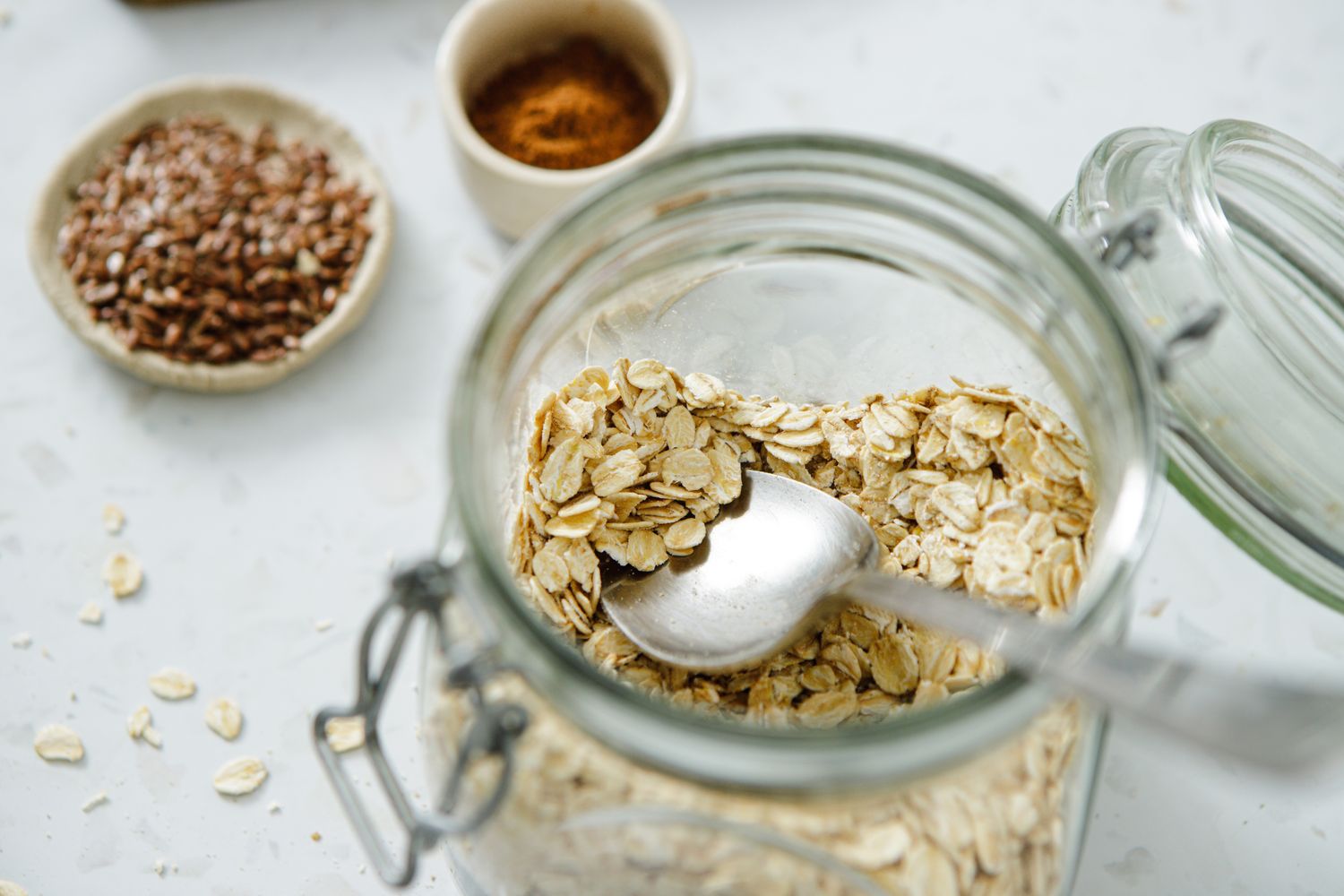
Finally, metabolic support through nutrition helps maintain a resilient immune system. Focus on "Loaded Oats"—a strategy of adding protein (nuts, seeds, or collagen) and fiber (berries, flax) to your morning meal to stabilize blood sugar and provide the building blocks for immune cell production.
Respiratory Illness Toolkit
- Hardware: Pulse oximeter and a high-quality thermometer.
- Testing: At least two multiplex home test kits per family member.
- Air Quality: A HEPA filter rated for the square footage of your main living area.
- Hygiene: Alcohol-based hand sanitizer (at least 60% alcohol) for high-touch surfaces.
FAQ
How do I know if I have a cold, the flu, or COVID-19?
The most reliable way is through testing, as symptoms overlap significantly. However, the flu usually hits very suddenly with high fever and body aches, while COVID-19 may start more gradually with a sore throat or headache. A cold rarely causes a high fever or severe exhaustion. Using a multiplex home test is the best way to be certain.
What are the best ways to prevent winter respiratory infections?
Prevention is most effective when you use multiple layers: get your seasonal vaccines in early autumn, use HEPA air filtration in indoor spaces, wash your hands frequently, and avoid crowded indoor areas during peak transmission weeks. Maintaining metabolic health through a nutrient-dense diet also helps your immune system stay ready.
When should I see a doctor for respiratory symptoms?
You should seek medical attention if you experience red flags like difficulty breathing, persistent pain in the chest, or new confusion. If you are in a high-risk group (elderly or immunocompromised), contact your doctor as soon as symptoms appear to discuss antiviral treatments, which must be started early to be effective.
Can you catch multiple respiratory viruses at once?
Yes, it is possible to have a co-infection, such as having both the flu and COVID-19 at the same time. These cases are often more severe because the immune system is being attacked on two fronts. This makes identifying the viruses through multiplex testing and starting appropriate treatments even more vital for recovery.