Quick Facts
- The 60-30-0 Protocol: A countdown starting 60 minutes before bed is the most effective way to signal the body to start a transition to sleep.
- Optimal Temperature: Maintaining a room temperature between 68–72°F (20–22°C) supports natural thermoregulation and deeper rest.
- Melatonin Alternatives: Focus on magnesium bath flakes, GABA, and L-theanine for relaxation rather than hormonal supplements.
- Sound Control: Maintain ambient noise between 60-70dB to mask household disruptions without overstimulating the auditory system.
- Fabric Choice: Breathable organic cotton is the gold standard for preventing night sweats and sensory irritation.
- Consistency Wins: Children with a regular bedtime are 50% less likely to experience daytime fatigue than those without a routine.
Effective melatonin-free sleep aids for children focus on natural ingredients like magnesium, GABA, L-theanine, and chamomile. These nutrients support relaxation and restorative rest without the hormonal side effects of melatonin. Magnesium bath flakes or sugar-free chewable supplements can help transition a child's body into a calm state, making it easier for them to switch off after a stimulating day. By integrating these kids sleep essentials into a sensory-friendly environment, parents can support a child's natural circadian rhythm for better long-term health.
The Biology of Bedtime: Setting the Clock
Sleep isn't an "on-off" switch; it is a biological transition. For children, whose nervous systems are still developing, this transition requires external cues to trigger the internal production of sleep hormones. A regular bedtime routine is one of the most powerful bedtime routine products a parent can "deploy." According to data from the CDC, children in the United States with a regular bedtime were approximately half as likely to be tired during the day (5.9%) compared with children who had an irregular or no bedtime (13.0%).
To establish a predictable nighttime wind-down, many pediatric experts recommend the 60-30-0 rule. This protocol provides a structured framework for the circadian rhythm to follow:
- 60 Minutes Out: Sundown mode. All digital screens are turned off to eliminate blue light, and household lights are dimmed.
- 30 Minutes Out: The core routine. This is the time for hygiene and sensory-based bedtime routine products like a warm bath or a short, calming story.
- 0 Minutes: Lights out. The child is in bed, the room is dark, and the environment is optimized for sleep.
A global study of 10,085 children aged 5 and under found that a consistent nightly bedtime routine is associated with earlier bedtimes, shorter sleep onset latency, and longer total nighttime sleep duration. When the brain knows what comes next, it stops fighting the transition to sleep and begins the process of restorative rest.
Environmental Optimization: The Calming Sleep Sanctuary
Creating a calming sleep environment for children involves more than just a comfortable mattress. It requires managing the sensory inputs that can either soothe or startle a child's developing brain. If you are wondering how to set up a calming sleep environment for children, start with the "Three Pillars of Comfort": Light, Sound, and Temperature.
The Sensory Checklist for a Better Nursery
- Light: Use blackout curtains to block streetlights and early morning sun. If a nightlight is necessary, choose one with a warm red or orange hue, which is less likely to disrupt the circadian rhythm than cool blue light.
- Sound: Use a white noise machine or fan to create a consistent background. Aim for a volume of 60-70dB—roughly the level of a quiet conversation or a shower—to mask the sound of floorboards creaking or dishes being washed in another room.
- Temperature: The body’s core temperature needs to drop slightly to initiate sleep. Most pediatricians recommend keeping the room between 68–72°F. Using a color-coded room thermometer can help you monitor this at a glance.
By controlling these variables, you reduce the "sensory friction" that often keeps children awake. When the environment is stable, the child feels safe, which is a prerequisite for the nervous system to shift into a state of sensory regulation.
Tactile Comfort: Sensory Sleep Aids and Wearables
What a child wears is just as important as the room they sleep in. During the night, children naturally fluctuate in temperature. Fabrics that trap heat can lead to night sweats and frequent waking. This is why choosing sensory friendly pajamas for kids is a critical part of your toolkit.
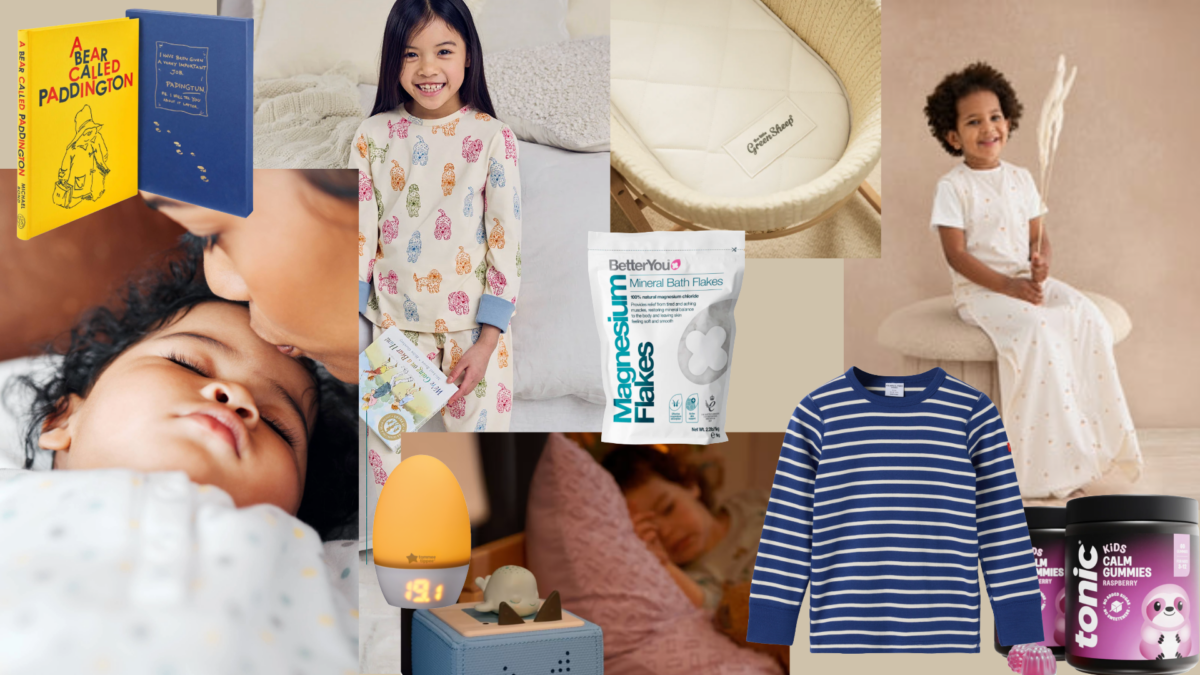
Look for organic cotton kids sleepwear for sensitive skin. Breathable organic cotton is excellent for thermoregulation because it allows heat to escape while providing a soft, non-irritating barrier against the skin. For children with sensory processing sensitivities, flat seams and tagless designs are essential kids sleep essentials to prevent "itchy" distractions that derail the transition to sleep.
In addition to clothing, consider the role of soothing sleep companions for anxious children. A familiar plush toy or a soft, weighted blanket can provide deep pressure therapy, which has a calming effect on the nervous system. These items act as emotional anchors, providing security as the child moves from the social activity of the day to the solitude of the night. For toddlers, secure sleep bags can also prevent them from kicking off covers and becoming cold, ensuring they stay in the "comfort zone" throughout the night.
Interactive Wind-Down: Screen-Free Audio and Rituals
In an age of tablets and smartphones, the bedtime story has faced stiff competition from high-stimulation digital media. However, a national poll of parents found that 67% of parents still prioritize reading stories as a central part of their routine. Reading together not only fosters a sense of security but also provides the linguistic engagement children need without the cortisol-spiking effects of blue light.
For parents looking for alternatives to traditional books or those who want to foster independence, the best audio players for children's bedtime stories are a game-changer. These screen-free devices allow children to listen to audiobooks, ocean sounds, or lullabies.
Audio cues act as a powerful sensory signal. When a child hears the first few bars of a familiar sleep track or the voice of a favorite narrator, their brain begins to associate those sounds with sleep hygiene. This consistency helps mask disruptive household noise while giving the child a narrative to focus on, preventing the "racing thoughts" that often affect anxious sleepers.
Biological Support: Melatonin-Free Sleep Aids
As an editor specializing in micronutrients, I often see parents reaching for melatonin as a quick fix. However, both the AASM and the CDC have issued warnings about the long-term use of melatonin in children, as it is a hormone that can interfere with natural development. Instead, I recommend looking at mineral-based and botanical support that works with the body’s chemistry rather than overriding it.
One of the most effective kids sleep essentials is magnesium. Often called "the relaxation mineral," magnesium helps regulate neurotransmitters that quiet the nervous system. Using magnesium bath flakes for kids bedtime is a particularly effective method. The warm water of a bath helps the muscles relax, while the magnesium is absorbed through the skin, providing a gentle "popping-candy" sensation of relaxation that prepares the body for restorative rest.
For children who need a little extra support, look for sugar-free chewables (sweetened with monk fruit or xylitol) that contain:
- L-theanine: An amino acid found in green tea that promotes relaxation without drowsiness.
- GABA: A neurotransmitter that helps inhibit over-excited neurons.
- Chamomile: A traditional botanical known for its mild sedative properties.
These melatonin free sleep aids for toddlers and older children offer a safer way to support a calm state of mind. Always consult with a pediatrician before starting any new supplement, but focusing on these foundational minerals often provides the "nudge" a child needs to settle down after a stimulating day.
FAQ
What are the essential items for a child's bedtime routine?
The essential items include high-quality pajamas made from breathable organic cotton, a consistent source of white noise to mask household sounds, and a reliable room thermometer to keep the temperature between 68–72°F. Additionally, having a screen-free transition tool, such as a physical book or a dedicated audio player, helps signal to the child's brain that the day is ending.
Do kids really need a sound machine for better sleep?
While not every child "needs" one, a sound machine is a highly effective tool for sensory regulation. It provides a consistent auditory backdrop that prevents sudden noises—like a barking dog or a loud car—from startling a child out of a deep sleep cycle. For the best results, keep the volume between 60-70dB and place the machine away from the child's head.
What are the most important safety features for kids' sleepwear?
The most important features are breathability and fit. You should look for moisture-wicking fabrics like organic cotton to prevent overheating. Furthermore, for younger children and infants, sleepwear should be snug-fitting to meet safety standards, and you should avoid any loose strings, ribbons, or buttons that could become a choking or entanglement hazard.
What temperature is best for a child's bedroom?
The optimal temperature for a child's bedroom is generally between 68 and 72 degrees Fahrenheit (20 to 22 degrees Celsius). This range supports the body’s natural drop in core temperature that occurs during sleep. If a room is too hot, it can lead to restlessness and night waking; if it is too cold, the body may struggle to stay in a deep sleep state.
What are some must-have sleep aids for children who struggle to fall asleep?
For children who have difficulty switching off, must-have aids include magnesium bath flakes for a relaxing pre-sleep soak and audio players for children's bedtime stories to provide a screen-free focus. Melatonin-free supplements containing L-theanine or GABA can also be helpful for calming a busy mind, alongside weighted blankets which provide comforting deep pressure.