Quick Facts
- Prevalence: Approximately 80% of women experience vasomotor symptoms during the menopausal transition.
- Duration: These symptoms last an average of seven to 11 years for many women.
- Core Cause: Estrogen deficiency that disrupts the hypothalamus, the brain's temperature control center.
- Key Difference: Hot flashes are sudden bursts of heat during the day, while night sweats are intense perspiration episodes during sleep.
- Primary Impact: Night sweats are more closely associated with sleep fragmentation, higher stress, and depression.
- Modern Relief: FDA-approved nonhormonal options like Fezolinetant offer new pathways for symptom management.
Night sweats and hot flashes are both vasomotor symptoms triggered by hormonal fluctuations, primarily during perimenopause and menopause. While hot flashes involve sudden bursts of heat and flushing during the day, night sweats are intense episodes of perspiration occurring during sleep that often result in drenched clothing and significant sleep fragmentation. These nocturnal awakenings can deeply impact your quality of life, making it essential to understand the biological mechanisms at play and the difference between night sweats and hot flashes symptoms.
The Internal Thermostat: Why Night Sweats Happen
To understand why your body suddenly feels like it is standing in an oven, we have to look at the hypothalamus. Think of this tiny part of your brain as your body’s master thermostat. Under normal circumstances, it keeps your internal temperature within a very narrow, comfortable range. However, during the perimenopause transition, your estrogen levels begin to fluctuate and eventually decline.
This estrogen deficiency directly affects the hypothalamus. When estrogen is low, the brain becomes hyper-sensitive to even the slightest changes in temperature. It essentially narrows your thermal comfort zone. Even a tiny rise in room temperature that you wouldn't have noticed five years ago can now trigger an emergency cooling response from your brain.
This leads to a specific physiological sequence. First, your brain misreads your body temperature as being too high. In response, it triggers vasodilation, which is the widening of blood vessels near the skin to release heat. This is the sensation of the hot flash. If this happens while you are sleeping, the brain's attempt to dissipate heat becomes more aggressive, leading to heavy sweating. This hypothalamus dysfunction is why you might wake up shivering after the sweat breaks, as your body has suddenly cooled down too much.
Statistics show that approximately 80% of women experience hot flashes, night sweats, or both during this transition. Perhaps most surprising to many is that these symptoms are not a brief phase; they last an average of seven to 11 years. Understanding the common causes of night sweats and hot flashes helps in realizing that you aren't just "having a bad night"—your internal regulatory system is navigating a major biological shift.
Comparing Symptoms: Day vs. Night
While they share a biological root, the experience of a daytime flash versus a nighttime sweat can feel quite different. Hot flashes are often described as a wave of heat that starts in the chest or face and moves upward. You might notice your skin getting red or blotchy, and your heart might start racing. They are disruptive to your focus and your social life, but they usually pass within a few minutes.
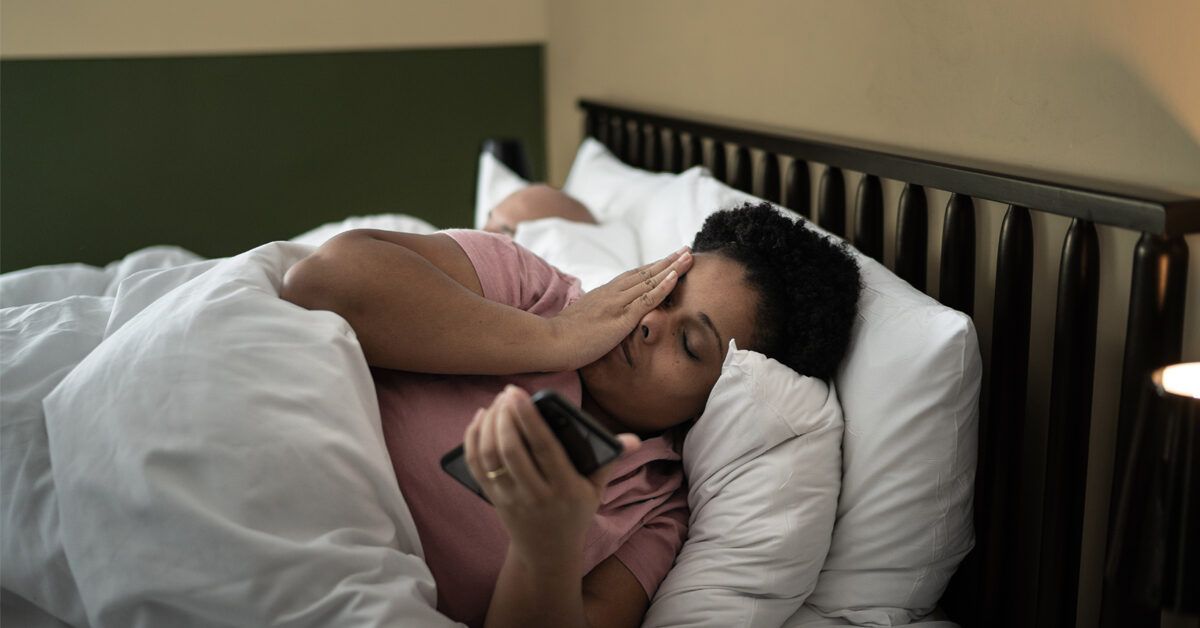
Night sweats are a different story. They are defined by their intensity and their timing. These are not just "feeling a bit warm" under the covers. True night sweats are characterized by perspiration so profuse that you may need to change your pajamas or your bed linens. Because they happen during sleep, they lead to frequent nocturnal awakenings. This constant interruption of your sleep cycle is why many women in menopause feel a sense of "brain fog" or extreme fatigue during the day.
| Feature | Hot Flashes | Night Sweats |
|---|---|---|
| Timing | Primarily during waking hours | Exclusively during sleep |
| Primary Sensation | Sudden heat, skin flushing | Drenching perspiration, chills |
| Clothing Impact | Usually remains dry | Often requires a change of clothes |
| Mental Impact | Temporary frustration or embarrassment | Significant sleep fragmentation and exhaustion |
| Physiological Trigger | Rapid vasodilation | Intense cooling response/sweating |
Research highlights that the psychological toll differs between the two as well. A study of menopausal women found that night sweats are significantly associated with both higher stress and depression levels, whereas hot flashes are primarily linked to depression alone. This suggests that the loss of restorative sleep caused by night sweats adds an extra layer of physiological stress to your body.
Managing Vasomotor Symptoms: Lifestyle & Clinical Solutions
If you are looking for how to stop waking up from night sweats, the approach usually involves a mix of lifestyle adjustments and clinical treatments. Managing menopausal night sweats effectively requires stabilizing the body's cooling response and supporting your natural circadian rhythm.
Lifestyle Interventions
Small changes in your environment can make a surprising difference in the frequency of nocturnal awakenings.
- Cooling Fabrics: Switch your bedding and sleepwear to moisture-wicking fabrics. Unlike cotton, which soaks up sweat and stays cold and heavy, moisture-wicking materials draw the sweat away from your skin and dry quickly, preventing the post-sweat chill.
- The 4-4-4-4 Box Breathing Method: When you wake up feeling a flash coming on, try box breathing. Inhale for four seconds, hold for four, exhale for four, and hold for four. This helps calm the nervous system and can reduce the intensity of the heat spike.
- Temperature Control: Keep the bedroom temperature below 65 degrees Fahrenheit and use a bedside fan to keep air moving.
- Dietary Triggers: Many women find that caffeine, alcohol, or spicy foods late in the day can trigger causes of night sweats and hot flashes.
Clinical and Medical Options
When lifestyle changes aren't enough, it is time to look at medical pathways. Hormone Replacement Therapy (HRT) remains a highly effective option for many, as it directly addresses the estrogen deficiency that causes the hypothalamus to malfunction.
However, for those who cannot or choose not to take hormones, there are exciting new nonhormonal therapies for menopausal vasomotor symptoms. In 2023, the FDA approved Fezolinetant, a groundbreaking medication that specifically targets the neural pathways in the brain that trigger hot flashes. Unlike traditional treatments, it doesn't use hormones; instead, it blocks the signals that tell your brain your body is overheating. Other options include certain low-dose SSRIs which have been shown to help regulate the body's thermostat.
When to See a Doctor: Beyond Menopause
While menopause is the most frequent cause, it is important to remember that night sweats can sometimes point to other health issues. Night sweats have a reported prevalence of up to 41% among primary care patients and are frequently associated with sleep-disrupting conditions such as obstructive sleep apnea and insomnia.
You should consult a healthcare provider for when to see a doctor for night sweats and hot flashes if you experience any of the following "red flags":
- Unexplained weight loss or fever accompanying the sweats.
- Drenching sweats that occur outside of the typical age range for the perimenopause transition.
- Symptoms that interfere so much with sleep that you cannot function during the day.
- If you have a history of certain cancers or immune disorders.
For those considering HRT, medical experts generally suggest a "safety window" for beginning treatment—typically for women under age 60 or within 10 years of menopause onset. A conversation with your doctor can help determine if your symptoms are standard vasomotor symptoms or if there is an underlying condition like sleep apnea or a thyroid imbalance that needs attention.
FAQ
What is the main difference between night sweats and hot flashes?
The primary difference lies in the timing and the intensity of perspiration. Hot flashes are sudden feelings of intense warmth and skin flushing that occur while you are awake. Night sweats are severe episodes of sweating that occur during sleep, often drenching your clothes and bedding and forcing you to wake up.
Can you have night sweats without having hot flashes during the day?
Yes, it is possible. Some women experience vasomotor symptoms almost exclusively at night. This may be due to the body's natural drop in core temperature during sleep, which can trigger a hypersensitive hypothalamus to overreact even if you feel relatively fine during the day.
Do hot flashes occur at night?
Yes, hot flashes can occur at night, but when they become intense enough to cause heavy perspiration and disrupt your sleep, they are classified as night sweats. Both are part of the same biological process but represent different levels of severity and timing.
When should I be concerned about night sweats?
You should seek medical advice if your night sweats are accompanied by fever, persistent cough, or unexplained weight loss. Additionally, if the sweats are so frequent that they are causing significant daytime exhaustion or if they begin long after you have finished menopause, it is worth a check-up to rule out other causes like infections or thyroid issues.
How can I reduce the frequency of hot flashes and night sweats?
Reducing triggers like spicy food, alcohol, and stress is a great start. Incorporating moisture-wicking fabrics into your sleep routine and practicing relaxation techniques like deep breathing can help. For more persistent cases, clinical options like HRT or the nonhormonal medication Fezolinetant can provide significant relief by helping the brain regulate temperature more effectively.