Quick Facts
- Global Standard: An optimal bedroom temperature between 60°F and 67°F is essential to support the body's natural cooling process during the night.
- Material Winner: For maximum air circulation, choose percale-weave cotton or eucalyptus-derived Lyocell over dense sateen fabrics.
- Thread Count: Stick to a range of 300-480 to ensure the fabric remains breathable rather than stifling.
- Heat Impact: When ambient temperatures rise above 75°F, sleepers can see a decrease the duration of the REM sleep stage by 20% to 30%.
- Myth Buster: While often marketed as a natural wonder, most bamboo bedding is actually bamboo viscose, a semi-synthetic material that requires specific care to maintain its cooling bedding properties.
The best cooling bedding for summer heatwaves utilizes breathable, natural fibers like percale-weave cotton, bamboo viscose, and eucalyptus-derived lyocell. These materials promote air circulation and moisture-wicking, preventing heat from being trapped against the body, while specialized cooling technology bedding like phase change materials can further regulate temperature for hot sleepers.
The Science of Sleep Heat: Why You’re Overheating
We have all experienced that 2:00 AM discomfort—the frantic pillow flip, the leg sticking out from under the covers, and the general sense that the mattress has turned into a heating pad. It isn't just a matter of comfort; it is a biological struggle. To initiate deep sleep, our core body temperature needs to drop by about two degrees. When a heatwave strikes, your environment fights against this vital physiological transition.
Statistics from the National Sleep Foundation highlight that our bodies are exquisitely sensitive to the thermal environment. Research indicates that ambient temperatures exceeding 75°F (24°C) can reduce sleep efficiency by 10% to 15%. This drop in efficiency means you aren't just feeling warm; you are actually losing out on the restorative stages of sleep that handle memory consolidation and physical repair.
Furthermore, internal factors can exacerbate the external heat. Many common medications, such as beta-blockers for heart health or certain diuretics, can impair the body's natural thermoregulation landscape. They may suppress the sweat response or alter blood flow to the skin, making it harder for the body to shed heat. This is why focusing on your micro-climate—the immediate space between your skin and your sheets—is often more effective and sustainable than trying to cool an entire house with an overworked air conditioning unit.
The Material Cheat Sheet: Choosing Your Fabric
When navigating the world of best cooling bedding, the weave and the fiber source are your two most important variables. Not all cotton is created equal, and the way a fiber is spun can determine whether it traps heat or lets it escape.
| Fabric Material | Best For | Breathability | Moisture Wicking | Feel |
|---|---|---|---|---|
| Percale Cotton | Crisp feel lovers | High | Moderate | Like a fresh dress shirt |
| Eucalyptus (Lyocell) | Active night sweats | High | Maximum | Silky and cool to touch |
| Linen | Humid climates | Maximum | Moderate | Textured and airy |
| Bamboo Viscose | Sensitive skin | Moderate | High | Soft and drapey |
| Phase Change Tech | Extreme hot sleepers | Moderate | Low | Temperature neutral |
Many sleepers wonder, is bamboo bedding cooling compared to traditional cotton? The answer lies in the moisture-wicking capabilities. Bamboo viscose and eucalyptus-based lyocell fabric are exceptional at pulling sweat away from the skin and allowing it to evaporate quickly. However, the construction matters. Always opt for a percale weave. Unlike sateen, which uses a one-under, four-over weave pattern that creates a dense, heat-trapping surface, percale uses a simple one-over, one-under weave. This creates a "matte" finish that allows for significantly better air circulation.
For those looking for high-tech intervention, look for phase change material. Originally developed by NASA, this technology uses encapsulated wax or gels that absorb heat when you are too hot and release it if you get too cold, maintaining a consistent temperature regulation throughout the night.
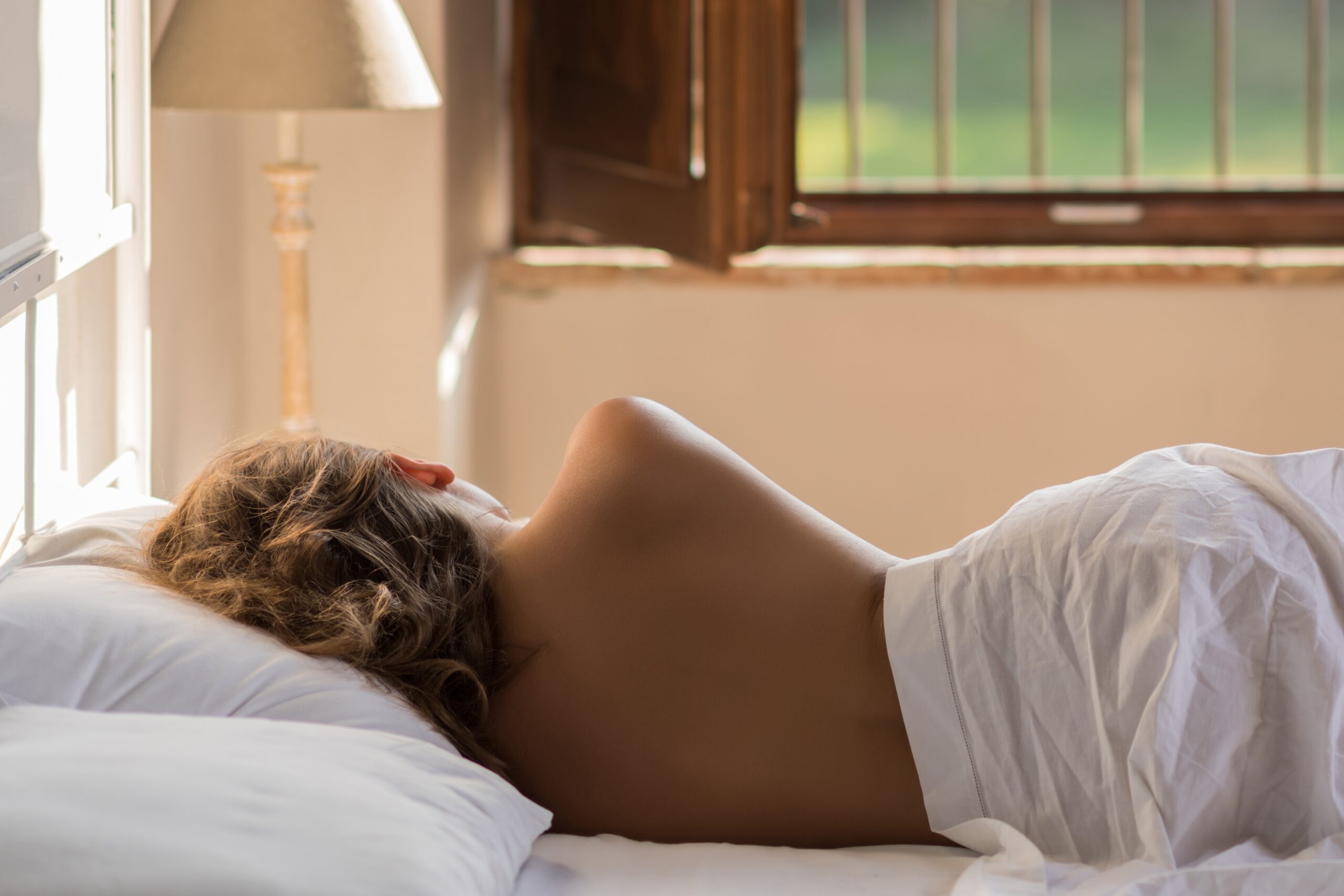
Top Picks: The Best Cooling Bedding for Every Sleeper
Finding the right cooling bedding set depends largely on your specific "sleep personality." Are you someone who sweats through the night, or someone who simply feels "stuffy" when the mercury rises?
The Night Sweater
If you wake up feeling damp, you need moisture-wicking power. Eucalyptus fibers (often branded as Tencel) are the gold standard here. They can absorb significantly more moisture than cotton without feeling wet to the touch.
Best For: Those dealing with hormonal night sweats or high-humidity environments. Skip If: You prefer the heavy, "tucked-in" feeling of a traditional thick duvet.
The Tech Enthusiast
For those who want the latest in sleep science, cooling technology bedding often incorporates cooling gels or specialized mattress toppers. The Silentnight UltraGel mattress, for example, uses a gel layer designed to move heat away from the body's pressure points.
Best For: Chronic hot sleepers who find that even the thinnest natural sheets aren't enough. Skip If: You are on a tight budget, as phase change materials often carry a premium price tag.
The Budget Seeker
You don’t need to spend a fortune to find cooling bedding for hot sleepers. A high-quality cotton sheet set with a thread count of 300 to 400 in a percale weave is often more effective than expensive, high-thread-count luxury sets. In the world of summer sleep, a lower thread count is actually a benefit because it means a more open, breathable weave.
Best For: Students or those looking for an affordable seasonal swap. Skip If: You want a silky, frictionless feel against your skin.
The Senior Sleeper
As we age, our skin becomes thinner and our internal thermostat can become less reliable. For seniors, a cooling bedding set should focus on stability and ease of movement. Silk pillowcases are an excellent addition here; they stay naturally cool and reduce friction, which can help those who toss and turn frequently to find a cool spot.
Best For: Older adults who need gentle thermoregulation without heavy weight. Skip If: You find silk too slippery for your comfort.
Beyond the Sheets: Hardware and Rituals
While your choice of cooling bedding materials is the foundation, a holistic approach includes sleep hardware and behavioral changes. Modern air-purifying fans now come with motion sensors and "night modes" that circulate air specifically around the bed without creating the disruptive noise of older models. Using these in tandem with a cooling mattress pad creates a "wind tunnel" effect that keeps the micro-climate underneath your top sheet fresh.
Equally important is the sleep hygiene ritual. Experts recommend cooling down your bedroom at least 30 minutes before you intend to climb into bed. During a heatwave, this might mean keeping curtains closed during the day to block solar gain and then using a fan to pull in cooler evening air. Psychological cooling also plays a role. Using aromatherapy mists with peppermint or eucalyptus can provide a sensory "ping" to the brain that signals coolness, helping to reduce the anxiety that often accompanies a restless, hot night.
Care and Longevity: Don't Ruin Your Cool
Once you have invested in best cooling bedding, you must maintain the fibers to keep them performing. Natural fibers like lyocell and linen are sensitive to high heat. Washing your sheets on a hot cycle or over-drying them in a high-heat dryer can "sear" the fibers, making them brittle and significantly reducing their breathability.
Avoid fabric softeners at all costs when washing cooling bedding for night sweats. Most softeners work by coating the fibers in a thin layer of wax to make them feel soft. While this feels nice initially, that wax layer clogs the pores of the fabric, effectively killing its moisture-wicking and air-circulating properties. Instead, use a gentle, pH-neutral detergent and air-dry whenever possible to keep the weave open and the cooling technology bedding active.
FAQ
Does cooling bedding actually work?
Yes, it works by utilizing two main principles: heat dissipation and moisture management. Fabrics with high breathability allow body heat to escape rather than reflecting it back to the skin, while moisture-wicking materials move sweat away from the body to keep the sleeper dry. While it cannot change the room's temperature, it significantly improves the micro-climate between the sleeper and the mattress.
What is the best bedding for keeping cool?
The most effective bedding for staying cool is generally considered to be linen or percale-weave cotton for air circulation, or eucalyptus-derived lyocell for moisture-wicking. For those who experience extreme heat, adding a layer of phase change material can provide active temperature regulation that natural fibers alone cannot achieve.
What bedding is best for stay cool while sleeping?
Lightweight, natural fabrics with a thread count between 300 and 480 are ideal. Look for a percale weave, which has a crisp, breathable structure. Combining these sheets with a low-TOG (Thermal Overall Grade) duvet or a simple weighted cooling blanket can help maintain the body's ideal sleeping temperature.
Are you supposed to use a sheet with a cooling blanket?
It depends on the type of cooling blanket. If the blanket is made of specialized heat-absorbing fibers designed to be cool to the touch, using a thick sheet underneath may create a barrier that prevents the blanket from doing its job. However, if you are using a moisture-wicking top sheet, it can work in tandem with the blanket to move sweat away while the blanket dissipates the heat.