Quick Facts
- The 90-Minute Rule: Finish vigorous exercise at least 90 minutes before sleep to allow core body temperature to drop.
- Intensity Threshold: Keep evening workouts at 60-70% Max HR to avoid melatonin suppression.
- Optimal Dose: Sleep benefits peak at roughly 650 MET-minutes per week; more can lead to diminishing returns.
- The Cooling Trigger: A post-workout drop in metabolic heat is a primary signal for sleep onset.
- Statistical Impact: High-intensity training within four hours of bed can cause a 36-minute delay in sleep onset.
- Recovery Risk: Overtraining can slash sleep efficiency from a healthy 95% down to just 82%.
High-intensity exercise late in the evening can disrupt sleep by significantly raising core body temperature and stimulating the sympathetic nervous system. This increased physiological arousal leads to elevated heart rates and adrenaline levels, which can suppress melatonin production and increase sleep latency. To optimize rest and improve the relationship between exercise and sleep, finish vigorous workouts at least 90 minutes before bedtime to allow the body's internal temperature and heart rate to return to baseline levels.
High-Intensity Spikes: When 'Pushing Hard' Blocks Melatonin
In the world of athletic performance, we often preach the gospel of high intensity. However, the timing of that intensity is the difference between a PR and a night spent staring at the ceiling. When you cross the 80% Max HR threshold, you are no longer just burning calories; you are signaling a massive hormonal shift. This level of exertion triggers significant cortisol secretion and spikes adrenaline levels after workout and sleep disruption becomes almost inevitable.
This physiological state is known as sympathetic dominance. Your body is primed for fight or flight, not rest. The elevated adrenaline levels after workout and sleep disruption interfere with the brain's ability to transition into the early stages of the sleep-wake cycle. Essentially, high intensity exercise and insomnia are linked through the direct suppression of melatonin, the hormone responsible for telling your brain it is time to shut down. If you have ever felt tired but wired after a heavy lifting session or a late HIIT class, you have experienced how high intensity exercise causes insomnia by keeping your central nervous system in a state of high alert.
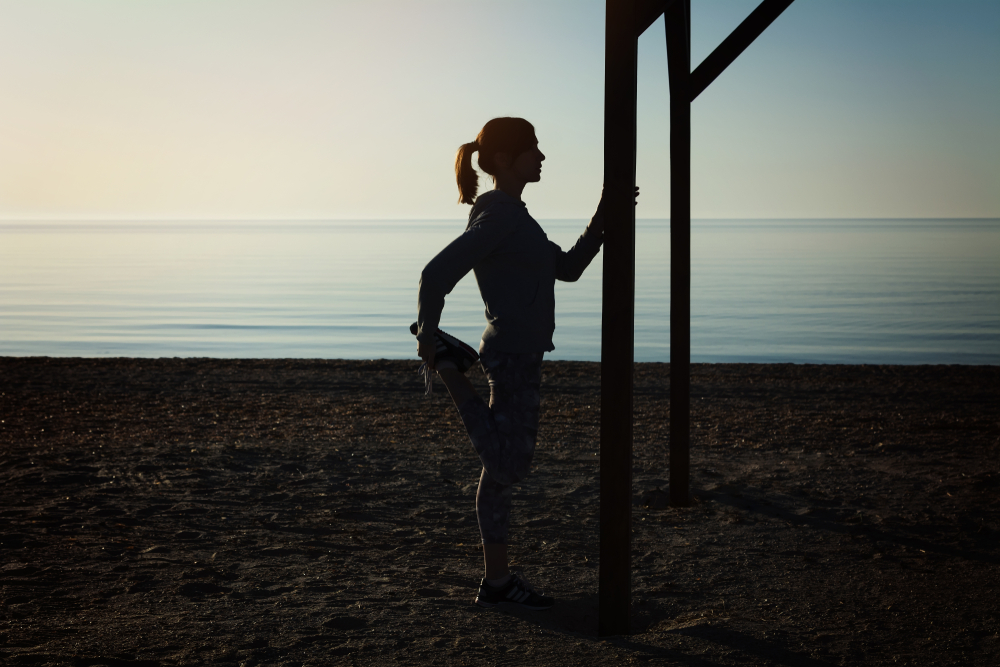
To mitigate sleep disruption after evening workouts, athletes should prioritize a structured cool-down period to facilitate heart rate recovery and lower metabolic heat. Transitioning to low-impact activities like stretching or yoga can activate the parasympathetic nervous system and prepare the body for rest.
Thermoregulation Failure: Why You're Too Hot to Sleep
Your body follows a strict circadian rhythm where core body temperature naturally drops in the evening to facilitate sleep onset. This temperature dip is one of the strongest biological signals for the brain to initiate deep sleep architecture. When you engage in a late-night session, you generate massive amounts of metabolic heat, effectively overriding this natural cooling process.
The problem isn't just the heat you feel on your skin; it is the core body temperature that remains elevated for hours. Research indicates that strenuous exercise completed just two hours before bed can cause participants to fall asleep nearly 80 minutes later than usual. This thermoregulation failure prevents you from entering the restorative phases of sleep. Focus on lowering body temperature after evening workout sessions by using cold exposure or strategic hydration to help reset your internal thermostat. Without this reset, your exercise and sleep goals will remain at odds.
| Exercise Intensity | Heart Rate Range (% Max HR) | Impact on Sleep Latency |
|---|---|---|
| Moderate (Aerobic) | 50% – 70% | Minimal to Positive |
| High (Anaerobic) | 80% – 90%+ | Significant Delay |
| Overtraining Zone | Chronic Elevation | Severe Fragmentation |
The Metabolic Shadow: Post-Workout Nutrition and Caffeine
The nutrition you consume to fuel or recover from your workout can cast a long metabolic shadow over your sleep quality. The most common offender is caffeine. Many pre-workout supplements contain high doses of stimulants that have a half-life of five to six hours. If you take a caffeinated scoop at 6:00 PM, half of that caffeine is still circulating in your system at midnight, increasing sleep latency and ruining your deep sleep architecture.
Furthermore, post workout meal timing for better sleep is a delicate balance. While your muscles need nutrients to repair, a massive, heavy meal consumed too close to bed forces the body to prioritize digestion over cellular repair. This creates a spike in metabolic rate and internal heat exactly when you need it to drop. Managing post-workout nutrition by avoiding heavy meals and caffeine within three to eight hours of sleep helps prevent digestive strain and alertness spikes that interfere with recovery.
Overtraining and the L-Shaped Curve: When More is Less
There is a point of diminishing returns in fitness where more volume leads to less recovery. In sports science, we look at the L-shaped dose-response relationship between exercise and sleep. Consistent moderate-intensity aerobic exercise is an effective non-pharmacological strategy for improving sleep quality, especially for those dealing with evening workout sleep disruption or general stress.
However, when you push into functional overreaching, your heart rate variability begins to drop—a primary indicator of a stressed nervous system. Studies on overtraining syndrome show that athletes in this state experience a significant drop in sleep efficiency, falling as low as 82%. These are clear signs your workout is ruining your sleep. To stay in the "sweet spot," aim for guidelines of 150 to 300 minutes of activity per week, which assists in reducing anxiety and depressive symptoms while keeping your Pittsburgh Sleep Quality Index scores in the healthy range.
The Autonomic Imbalance: Missing the Cool-Down
The biggest mistake most gym-goers make is walking straight from the treadmill to the shower and then to bed. This skips the most critical phase of the workout: the transition from the sympathetic (active) to the parasympathetic (rest) nervous system. A lack of a proper post-workout cool down benefits no one and leaves your heart rate variability suppressed for hours.
By incorporating a dedicated 15-minute mobility or breathing protocol, you signal to your brain that the "threat" of the workout is over. This helps in lowering body temperature after evening workout and allows your heart rate to return to baseline. Without this deliberate shift, your body remains in a catabolic state, breaking down tissue rather than building it during sleep.
The 90-Minute Protocol for Better Recovery
To ensure your fitness routine supports rather than sabotages your rest, follow this evidence-based wind-down timeline after any evening session. This protocol is designed to maximize post-workout cool down benefits and stabilize your circadian rhythm.
- Minute 0-20: Active Transition Immediately follow your main set with low-intensity movement. Perform static stretching or foam rolling. This is the best time to stop exercising before bed and begin the shift to parasympathetic dominance. Focus on slow, nasal breathing to lower your heart rate.
- Minute 20-40: Thermal Reset and Nutrition Take a lukewarm (not freezing) shower. While an ice bath has its place, a moderately cool shower helps facilitate the body's natural heat dissipation. Consume a light, easily digestible meal. Remember that post workout meal timing for better sleep suggests avoiding heavy fats or complex proteins that take hours to process.
- Minute 40-90: The Digital and Sensory Detox Lower the lights in your home to encourage melatonin production. Avoid screens, as blue light combined with the lingering effects of evening workout sleep disruption can double the time it takes to fall asleep. This is your window for hydration and mental decompression.
By the time the 90-minute mark hits, your core body temperature should have achieved the necessary dip, and your adrenaline levels should be back to baseline, allowing you to enter deep sleep architecture without the "wired" feeling of a late session.
FAQ
Can exercising too close to bedtime cause insomnia?
Yes, engaging in high-intensity exercise within 90 minutes of sleep can cause sleep onset insomnia. This happens because the physical activity raises your heart rate, adrenaline, and core body temperature, all of which act as biological signals for alertness rather than rest.
Why can't I sleep after a heavy workout?
Difficulty sleeping after a heavy session is usually due to an overactive sympathetic nervous system. The high levels of cortisol and adrenaline produced during intense lifting or cardio can suppress melatonin and keep your metabolic rate too high for your brain to initiate the sleep cycle.
How long before bed should you stop exercising?
You should aim to finish vigorous or high-intensity exercise at least 90 minutes to two hours before your intended bedtime. If you must exercise later, keep the intensity at a moderate level (below 60% of your max heart rate) to minimize the impact on your core temperature.
What is the best time of day to exercise for sleep?
For most people, late afternoon or early evening (between 4:00 PM and 7:00 PM) is ideal. This allows the post-exercise body temperature drop to coincide perfectly with the natural circadian dip that occurs right before bedtime, making it easier to fall asleep.
Can overtraining lead to sleep disturbances?
Overtraining is a major cause of chronic sleep disruption. When the body is in a state of functional overreaching, the nervous system remains in a constant state of stress, leading to decreased sleep efficiency, frequent nighttime awakenings, and a lower Pittsburgh Sleep Quality Index score.