Quick Facts
- Safety Benchmark: All poultry must reach 165°F to ensure viral inactivation.
- Egg Safety: Avoid runny yolks; cook until both the white and the yolk are firm.
- Dairy Status: Commercial milk products are Grade A pasteurized and safe for consumption.
- Raw Milk Risk: There is a high risk of H5N1 transmission through unpasteurized dairy; avoid it entirely.
- Kitchen Habit: Do not rinse raw poultry, as this spreads pathogens through aerosolization.
- Thermometer Use: Always use an internal probe thermometer instead of relying on visual color cues.
To ensure bird flu food safety, poultry and eggs must be cooked to an internal temperature of 165°F, which effectively kills avian influenza viruses. Following these bird flu food safety guidelines 2026 will help you navigate the current surge with confidence, ensuring that your kitchen remains a safe environment for your family while maintaining a safe poultry cooking temperature for all meals.

The Gold Standard: Safe Poultry Cooking Temperature for Avian Influenza
When it comes to the 2026 surge, the single most important tool in your kitchen is not a high-end knife or a convection oven, but a reliable internal probe thermometer. Relying on the color of the meat or the clarity of the juices is no longer a sufficient method for determining safety. To ensure bird flu food safety, every piece of chicken, turkey, or duck must reach a minimum internal temperature of 165°F (74°C). This specific temperature is the threshold at which avian influenza A viruses are neutralized, rendering the meat safe for consumption.
The minimum internal temperature of 165 degrees Fahrenheit (74 degrees Celsius) applies to all parts of the bird, including the thickest part of the breast and the innermost portion of the thigh. For those using a safe poultry cooking temperature for avian influenza as their primary guideline, it is important to remember that heat distribution can be uneven in larger birds. Therefore, taking multiple readings in different areas of the carcass is a recommended practice.
Beyond the cooking process, the handling of raw poultry requires a heightened level of biosecurity measures. Before the meat even touches the heat, you must ensure that your prep area is contained. According to USDA safety guidelines, you should avoid any contact between raw poultry and other food items. This prevents foodborne illness prevention failures that often occur when bacteria or viruses are transferred from a raw protein to a salad or a side dish. By prioritizing temperature precision and hygiene, you effectively eliminate the primary transmission route associated with poultry consumption.
Avian Influenza Egg Safety Tips: No More Runny Yolks
For many of us, a soft-boiled egg or a sunny-side-up breakfast is a morning staple. However, during an active avian influenza surge, our culinary preferences must temporarily shift toward safety. The core of avian influenza egg safety tips is the requirement for heat penetration. The virus can reside in both the yolk and the white, and it is only inactivated when the egg reaches a temperature that results in a firm yolk consistency.
This means that for the time being, dishes involving raw or undercooked eggs should be removed from the menu. This includes traditional Caesar salad dressings, homemade hollandaise sauce, and even some styles of homemade mayonnaise or tiramisu. When you are considering how to safely cook eggs during bird flu outbreak conditions, the rule of thumb is simple: if it is liquid, it is not yet safe. You should cook fried eggs on both sides and boil eggs until the center is no longer translucent or runny.
While store-bought eggs are generally subjected to strict quality controls, the risk profile changes if you are sourcing eggs from local farms or backyard flocks. During a bird flu surge, the prevalence of the virus in wild bird populations can easily spill over into smaller, non-commercial operations. Following strict hygiene protocols—such as washing your hands immediately after handling eggshells—is just as important as the cooking process itself.
Dairy & Milk: Is Pasteurized Milk Safe from H5N1 Virus?
One of the most frequent questions health officials receive during this surge is: is pasteurized milk safe from H5N1 virus? The answer from the public health community is a definitive yes. The standard commercial pasteurization process, which involves heating milk to 161°F for at least 15 seconds, has been proven to effectively inactivate avian influenza viruses. Public health agencies advise that pasteurization effectively kills avian influenza viruses, making the commercial milk supply safe for the general public.
However, the same cannot be said for raw or unpasteurized products. There is a significant risks of consuming raw milk during bird flu surge periods because these products have not undergone the thermal processing required to kill pathogens. Research has shown that H5N1 can be present in high concentrations in the milk of infected dairy cows. Without the heat of pasteurization, the virus remains active and capable of infecting humans who consume the milk or products made from it, such as raw milk cheeses.
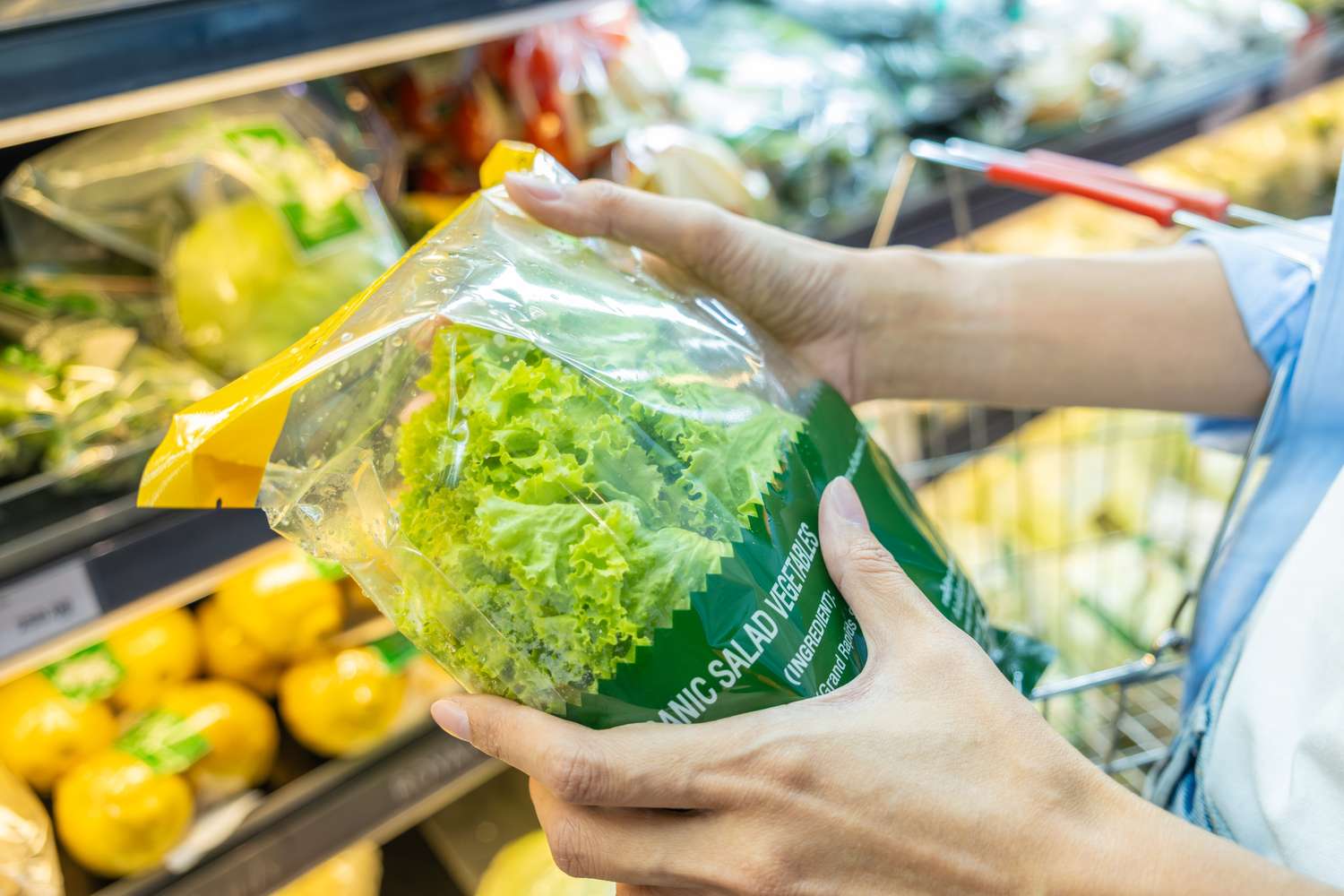
To protect yourself, always check for the Grade A label on dairy products and confirm that the packaging explicitly states the product is pasteurized. These dairy pasteurization standards are our primary defense in the dairy aisle. If you usually purchase milk from farm stands or local cooperatives that do not pasteurize their products, it is strongly recommended that you switch to commercial alternatives until the surge has subsided.
Preventing Kitchen Cross-Contamination and Surface Hygiene
Maintaining bird flu food safety does not end with cooking temperatures; it begins the moment you bring groceries into your home. The framework of Clean, Separate, Cook, and Chill is your best strategy for preventing kitchen cross-contamination. One of the most common mistakes people make is rinsing raw chicken in the sink. This practice is dangerous because it causes the aerosolization of pathogens, spraying microscopic droplets of water—and potentially the virus—across your countertops, faucets, and nearby ready-to-eat foods.
Instead of rinsing, move the poultry directly from the package to the pan. Once the meat is cooking, your focus should shift to surface sanitization. Every surface, utensil, and cutting board that came into contact with the raw meat must be washed with hot, soapy water. For an extra layer of protection, follow up with a solution of one tablespoon of unscented liquid chlorine bleach per gallon of water.
Effective biosecurity measures in the home also include the use of separate cutting boards. Designate one specifically for raw proteins and another for vegetables and bread. These hygiene protocols are simple, yet they are the most effective way to ensure that any viral particles brought into the kitchen are neutralized before they can cause illness. sanitizing kitchen surfaces after handling raw poultry bird flu concerns is a non-negotiable step in modern food preparation.
Secondary Risks: Beef and Pet Safety
While avian influenza is primarily associated with birds and dairy cows, recent developments have shown the importance of monitoring other proteins as well. For ground beef, the safe internal temperature is 160°F. Unlike whole cuts of meat where pathogens are usually on the surface, the grinding process distributes potential contaminants throughout the meat. For whole cuts of beef, such as steaks or roasts, you should aim for a minimum internal temperature of 145°F followed by a meat resting period of at least three minutes. This rest period allows the temperature to remain stable or rise slightly, ensuring complete foodborne illness prevention.
We must also consider the safety of our household pets. During a bird flu surge, domestic cats and dogs can be susceptible to H5N1 if they consume raw infected meat. It is vital to avoid feeding your pets raw poultry or unpasteurized milk during this time. Just as you protect yourself by cooking your food thoroughly, you should ensure that your pets are only eating commercially prepared, cooked, or heat-treated pet food. This holistic approach to household safety ensures that everyone—including your four-legged family members—stays protected from the virus.
FAQ
Is it safe to eat chicken and eggs during a bird flu outbreak?
Yes, it is safe to eat chicken and eggs as long as they are handled properly and cooked to the correct internal temperatures. The virus is highly sensitive to heat, so thorough cooking eliminates the risk of transmission through food.
What temperature kills the bird flu virus in meat and eggs?
The avian influenza virus is killed when poultry and eggs reach an internal temperature of 165°F. For ground beef, the target is 160°F, and for whole beef cuts, 145°F followed by a three-minute rest period is required.
Is it safe to consume runny eggs or raw egg products right now?
Health officials recommend avoiding runny yolks or raw egg products during a bird flu surge. Eggs should be cooked until both the white and the yolk are firm to ensure that any potential viral particles have been inactivated by heat.
Is pasteurized milk safe from bird flu contamination?
Yes, the commercial pasteurization process uses heat to effectively inactivate H5N1 and other avian influenza viruses. Grade A pasteurized milk sold in grocery stores remains safe for consumption.
Is it safe to drink raw milk if bird flu is detected in dairy cows?
No, it is not safe to drink raw milk during an outbreak. Raw milk does not undergo the heating process necessary to kill the virus, and consuming it poses a significant health risk to humans.
Can you get bird flu from handling raw poultry?
While the primary risk is through direct contact with infected live birds, there is a theoretical risk of infection from handling raw meat. This is why it is essential to wash your hands thoroughly and sanitize all kitchen surfaces after preparing raw poultry.