Quick Facts
- Prevalence: Approximately 77% of participants reported experiencing symptoms during the night or while falling asleep and waking, making nocturnal episodes a primary concern for patients.
- Risk Factor: Research indicates that a single night of poor sleep quality is associated with a 15% increased risk of having an AFib episode the following day.
- Prime Window: To maintain heart rhythm stability, experts suggest a consistent bedtime between 10 PM and 11 PM to align with natural circadian rhythm patterns.
- Temperature: Maintaining a bedroom temperature between 60°F and 67°F helps lower the core body temperature and supports cardiac health during rest.
- The Link: The Heart Rhythm Society estimates that approximately 50% of people with atrial fibrillation (AFib) also have sleep apnea, which acts as a major trigger for nighttime rhythm disturbances.
- Sleeping Positions: Sleeping on the right side or using a wedge pillow for AFib management can reduce pressure on the heart chambers compared to sleeping on the left side.
Experience a racing heart while trying to drift off? You're not alone. Nearly 77% of patients report AFib at night, often triggered by fluctuations in vagal tone or underlying sleep apnea. Understanding why does AFib happen more at night is the first step toward better rest and long-term heart health. AFib at night is primarily caused by increased vagal tone, which slows the heart rate and allows irregular rhythms to emerge. Other triggers include obstructive sleep apnea, GERD, and sleeping in positions that put pressure on the heart chambers.
Why AFib Strikes at Night: The Vagal and Apnea Connection
For many patients, the mystery of AFib at night lies in the nervous system's shifting gears. During the day, our sympathetic nervous system—the fight-or-flight mechanism—is dominant. As we settle into sleep, the parasympathetic nervous system takes over, led by the Vagus nerve. This increase in Vagal tone is designed to slow the heart rate and promote recovery. However, for those susceptible to Vagal AFib, this natural slowing can actually create a window of opportunity for irregular electrical signals to take over, causing the heart to misfire during periods of deep rest.
Beyond the internal wiring of the nervous system, mechanical triggers play a massive role. This is where we see how sleep apnea affects AFib at night. When a person with sleep apnea stops breathing, oxygen levels in the blood plummet. The heart, starving for oxygen, experiences a surge of stress. This creates a state of sleep-disordered breathing that puts immense strain on the atria. The negative pressure created in the chest as the body struggles to draw breath can physically stretch the heart walls, leading to the remodeling of heart tissue over time. This cycle explains why sleep apnea is found in half of all AFib cases; it isn't just a co-existing condition, but a direct driver of arrhythmia.
Furthermore, our internal clock, or circadian rhythm, dictates the release of various hormones. During the early morning hours, cortisol levels begin to rise to prepare the body for waking. If sleep is fragmented or poor, these cortisol spikes can become erratic, leading to an electrolyte imbalance. Specifically, the loss of potassium and magnesium can make the heart cells "twitchy" and more prone to the chaotic electrical activity characteristic of AFib triggers at night.
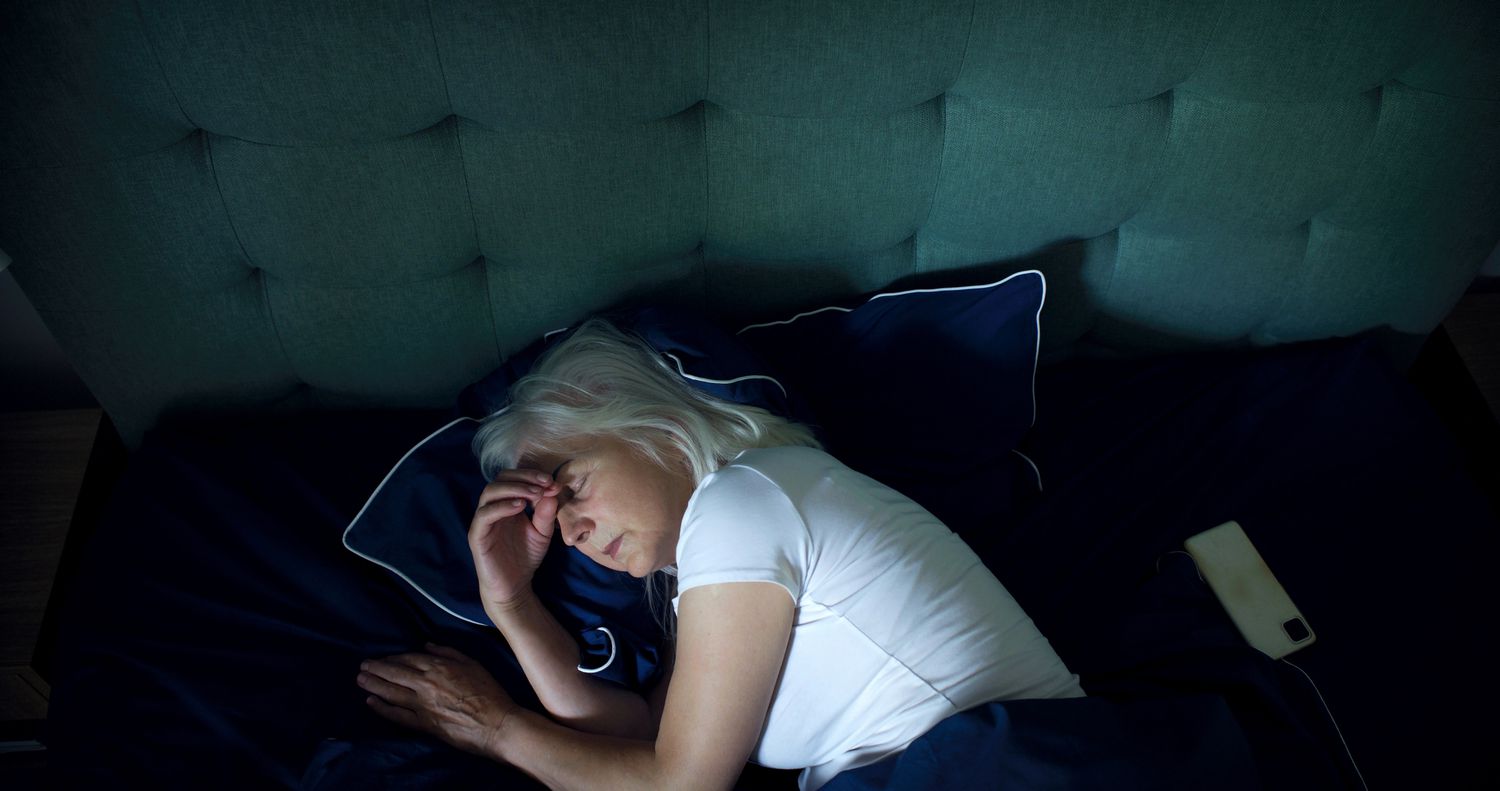
Nocturnal AFib Symptoms Checklist: 6 Signs to Watch For
Recognizing nocturnal AFib symptoms can be difficult because they often occur while you are unconscious or in a state of semi-sleep. Many patients mistake these signs for nightmare-induced anxiety or simple insomnia. If you suspect your sleep is being disrupted by your heart, use this nocturnal AFib symptoms checklist to track your experiences:
- Heart fluttering or thumping: This is the most classic sign. You may wake up feeling as though a bird is trapped in your chest or that your heart is doing "flip-flops."
- Sudden anxiety or panic upon waking: Because an irregular heart rhythm can mimic the physical sensations of a panic attack, many patients wake up with an overwhelming sense of dread or a racing pulse.
- Shortness of breath: Known clinically as nocturnal dyspnea, this sensation of being unable to catch your breath can be a sign that the heart is not pumping efficiently during an episode.
- Extreme fatigue during the day: If you are getting eight hours of sleep but feel completely drained, it may be because AFib episodes are preventing you from entering deep, restorative sleep stages.
- Excessive nighttime urination: AFib can cause the heart to release a hormone called Atrial Natriuretic Peptide (ANP), which tells the kidneys to produce more urine, leading to frequent trips to the bathroom.
- Sleep fragmentation: Frequently waking up for no apparent reason, or feeling a general sense of restlessness, often correlates with shifts in heart rate variability that occur during an episode.
Using a wearable EKG can help confirm these symptoms by capturing data the moment you wake up. This objective data is invaluable for your cardiologist in distinguishing between general sleep disturbances and true arrhythmia.
How to Sleep with AFib: The Best Sleeping Position
When it comes to how to sleep with AFib, the way you position your body can have a surprising impact on whether your heart stays in rhythm. Gravity and the internal arrangement of your organs mean that certain positions put more stress on the heart's atria than others.
The following table compares common sleeping positions and their impact on heart rhythm:
| Position | Impact on AFib | Considerations |
|---|---|---|
| Right Side | Recommended | Minimizes pressure on the heart and allows for better blood flow. |
| Back (Flat) | Mixed | Good for heart pressure, but significantly worsens sleep apnea and snoring. |
| Left Side | Not Ideal | Left side sleeping can pull on the heart and mediastinum, potentially triggering episodes. |
| Inclined / Wedge | Best | Reduces venous return pressure and alleviates GERD and sleep apnea symptoms. |
Finding the best sleeping position for AFib patients often involves a bit of trial and error. Many experts recommend the "right-side" approach because it provides the most space in the chest cavity for the heart to function without external compression. However, for those who also struggle with sleep-disordered breathing, using a wedge pillow for AFib management is often a game-changer. By elevating the upper body at a 30 to 45-degree angle, you reduce the likelihood of the airway collapsing and decrease the pressure of blood returning to the heart, which can prevent the atria from overstretching.
4 Natural Solutions for Nighttime Rhythm Stability
While medical intervention is often necessary, there are several ways to address how to stop AFib episodes at night naturally by optimizing your sleep environment and daily habits. These solutions focus on stabilizing the nervous system and reducing external triggers.
First, prioritize strict sleep hygiene. Research suggests that a bedtime between 10 PM and 11 PM is the "Goldilocks" zone for heart health. This window aligns with the natural dip in your core temperature and the peak release of melatonin. When you stay up late, you force your body to produce more cortisol to stay alert, which directly interferes with heart rate variability and increases the risk of an episode.
Second, control your environment. The heart is sensitive to temperature fluctuations. Keeping your bedroom between 60°F and 67°F helps the body enter deep sleep faster. If you are too hot, your heart must work harder to pump blood to the skin's surface for cooling, which can be a subtle trigger for AFib at night.
Third, implement a strict dietary curfew. Managing GERD symptoms is crucial, as the esophagus sits directly behind the left atrium of the heart. Acid reflux can irritate the Vagus nerve, which in turn triggers the heart. Avoid heavy meals, caffeine, and alcohol at least six hours before bed. Alcohol is a double-edged sword; while it may help you fall asleep, it significantly increases the likelihood of AFib episodes as it wears off in the middle of the night.
Finally, consider the role of melatonin. Some heart medications, such as beta-blockers, can actually suppress the body's natural melatonin production. This leads to lighter sleep and more frequent awakenings. Discussing melatonin supplementation or timing with your doctor may help restore a deeper sleep cycle, providing the heart with the rest it needs to maintain a steady rhythm.
When is Nighttime AFib an Emergency?
While many nocturnal episodes resolve on their own, it is vital to know when AFib at night symptoms transition from a nuisance to a medical emergency. You should seek immediate medical attention if you wake up experiencing:
- Intense chest pain or pressure that feels like an elephant is sitting on your chest.
- Fainting or feeling like you are about to black out (syncope).
- Sudden, profound weakness or numbness on one side of the body.
- Vision changes or difficulty speaking.
If your heart rate is consistently above 120-150 beats per minute while at rest and does not slow down within a few minutes of waking and breathing deeply, call your local emergency services. It is always better to be evaluated and sent home than to ignore a potential stroke or heart failure event.
FAQ
Why is my AFib worse at night?
AFib often feels worse at night due to increased vagal tone, which slows the heart rate and allows irregular electrical signals to manifest more easily. Additionally, the silence of the night makes you more aware of your heartbeat, and conditions like sleep apnea or acid reflux are more active when you are lying down.
What does AFib feel like when you are sleeping?
When you are sleeping, AFib may manifest as vivid dreams of running or panic, a sudden feeling of being startled awake, or the sensation of a heavy thumping in the chest. Some people do not feel the rhythm change but instead wake up feeling breathless or needing to urinate frequently.
Is it dangerous to have AFib episodes at night?
Yes, nocturnal episodes carry the same risks as daytime AFib, including an increased risk of stroke and heart failure. Because these episodes can go undetected for hours, they can lead to significant strain on the heart muscle and poor sleep quality, which further exacerbates the condition.
What is the best sleeping position for someone with AFib?
The most recommended position is sleeping on your right side. This prevents the heart from shifting and reduces the pressure on the atria. Using a wedge pillow to elevate the head and torso is also highly effective, especially for patients with concurrent sleep apnea or GERD.
Can sleep apnea trigger AFib at night?
Absolutely. Sleep apnea is one of the strongest triggers for nocturnal AFib. The repeated drops in oxygen levels and the physical stress of trying to breathe against a closed airway create the perfect storm of electrical and mechanical triggers for an arrhythmia.
Can late-night eating trigger AFib?
Yes, late-night eating can lead to gastrointestinal distress and GERD. Because the esophagus is located very close to the heart, irritation or bloating in the digestive tract can stimulate the Vagus nerve, which is a known trigger for AFib episodes.