Quick Facts
- Top Melatonin Source: Tart cherries (increases sleep time by 39–84 minutes).
- Best for Sleep Latency: Kiwifruit (35.4% reduction in time to fall asleep).
- Best for Relaxation: Magnesium-rich almonds and bananas.
- Ideal Snack Timing: 30–60 minutes before bedtime.
- Caloric Goal: Keep bedtime snacks under 150 calories.
Scientific research highlights specific foods like tart cherries, fatty fish, and kiwifruit as the best sleep foods. These natural sleep aid foods work by providing essential nutrients like melatonin, magnesium, and omega-3s that regulate your circadian rhythm and decrease sleep latency.
The Science of Sleep: How Nutrients Influence Your Brain
Understanding how food impacts your rest requires a look at the chemical signals in your brain. The transition from wakefulness to slumber is governed by your internal clock, but specific micronutrients act as the gears in this biological machine. One of the most critical processes is serotonin synthesis. This begins with tryptophan, an essential amino acid that must be obtained through diet. Once tryptophan enters the brain, it is converted into serotonin and eventually into melatonin, the hormone responsible for your sleep-wake cycle.
Beyond melatonin, your nervous system relies on specific neurotransmitters to lower arousal levels. This is where GABA receptors come into play. Gamma-aminobutyric acid (GABA) is an inhibitory neurotransmitter that reduces the activity of neurons in the brain and central nervous system, promoting a state of calm. Minerals like magnesium are vital because they bind to these receptors, helping the body prepare for rest.
Furthermore, managing your alpha brain waves can significantly impact how quickly you drift off. Amino acids like L-theanine help promote these waves, which are associated with a state of "wakeful relaxation." By focusing on foods that support these pathways while managing cortisol regulation, you can create a biological environment conducive to deep, restorative rest.
How it Works: The Tryptophan-Melatonin Pipeline
The brain cannot produce melatonin in a vacuum. It requires a precursor called tryptophan. When you consume protein-rich foods, tryptophan competes with other amino acids to cross the blood-brain barrier. Interestingly, consuming a small amount of complex carbohydrates alongside your protein helps "clear the path," allowing tryptophan to enter the brain more efficiently for serotonin synthesis.
1-3. The Powerhouse Fruits: Cherries, Kiwis, and Bananas
Fruits are often overlooked as sleep aids, but certain varieties contain high concentrations of bioactive compounds that directly influence sleep architecture.
Tart Cherries: The Melatonin Heavyweight
Tart cherries, specifically the Montmorency variety, are one of the few natural food sources of melatonin for insomnia. Unlike sweet cherries, tart cherries contain high levels of phenolic compounds that possess antioxidant and anti-inflammatory properties. Research indicates that drinking two servings of tart cherry juice daily can increase total sleep time by an average of 39 to 84 minutes and improve sleep efficiency by up to 6%. This makes them a premier choice for those looking to extend their time in deep sleep stages.
Best For: Increasing total sleep duration and reducing nighttime awakenings.
Kiwifruit: The Sleep Latency Specialist
Kiwifruit is a nutritional powerhouse for sleep, likely due to its high serotonin content and antioxidant density. A landmark study showed that consuming two kiwifruits one hour before bedtime for four weeks can reduce sleep onset latency by 35.4% and increase total sleep duration by over 13%. The high levels of Vitamin C and E in kiwis may also help reduce oxidative stress, which is often linked to poor sleep quality.
Best For: People who struggle with "tossing and turning" before falling asleep.
Bananas: Nature's Muscle Relaxant
While often cited for their potassium, bananas are also excellent sources of magnesium. Both minerals are essential for muscle relaxation. When your muscles are physically relaxed, it sends a signal to the brain that it is safe to downregulate. Bananas also contain vitamin B6, which is a necessary co-factor for the conversion of tryptophan into serotonin.
Best For: Physical restlessness or muscle cramps that disrupt rest.
4-6. Mineral-Rich Superfoods: Almonds, Walnuts, and Pumpkin Seeds
Nut and seed varieties offer a dense concentration of minerals that stabilize the nervous system and prevent midnight blood sugar crashes.
Almonds: The Magnesium Relaxant
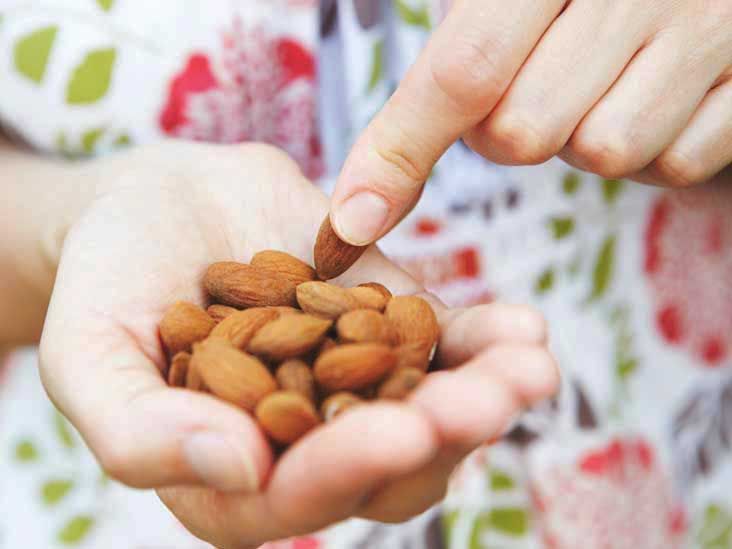
Almonds are arguably the best magnesium rich foods to eat before bed. A single ounce provides about 20% of your daily magnesium requirement. This mineral is crucial because it helps lower the body's primary stress hormone, cortisol. By keeping cortisol in check, almonds allow the parasympathetic nervous system—your "rest and digest" mode—to take the lead.
Best For: Anxiety-related insomnia and high-stress lifestyles.
Walnuts: The Omega-3 Optimizer
Walnuts provide a unique combination of melatonin and alpha-linolenic acid (ALA), an omega-3 fatty acid. The body can convert ALA into DHA, which has been shown to enhance the production of serotonin. Including walnuts in your evening routine ensures a steady supply of these sleep-promoting fats, which help maintain long-term brain health and circadian rhythm stability.
Best For: Brain health and consistent sleep patterns.
Pumpkin Seeds: Tryptophan in a Tiny Package
Ounce for ounce, pumpkin seeds are one of the most concentrated sources of tryptophan available. They also provide a significant dose of zinc, which helps the brain convert that tryptophan into the melatonin you need for a restful night.
Best For: Supporting the natural production of melatonin throughout the night.
7-9. Protein and Probiotics: Fatty Fish, Turkey, and Greek Yogurt
Protein-based sleep aids provide the essential amino acids needed for neurotransmitter repair and synthesis.
Fatty Fish: Vitamin D and Sleep Quality
Fish like salmon, mackerel, and trout are rich in Vitamin D and omega-3 fatty acids. These two nutrients work synergistically to regulate serotonin levels. A study published in Scientific Reports found that children who eat fish at least once per week experience fewer sleep disturbances and better overall sleep quality than those who eat it less frequently. For adults, the combination of healthy fats and Vitamin D is essential for maintaining a healthy sleep architecture.
Best For: Improving overall sleep depth and restorative quality.
Turkey: The Deep Sleep Precursor
Turkey is the most famous source of tryptophan. While it is often associated with the "post-Thanksgiving nap," it is a legitimate tool for regular sleep hygiene. The lean protein helps stabilize blood sugar levels throughout the night, preventing the spikes that lead to early morning wakefulness.
Best For: Preventing middle-of-the-night waking.
Greek Yogurt: The Calcium Catalyst
Greek yogurt is one of the most effective natural sleep aid foods for better rest because it combines protein with calcium. Calcium is vital for the brain to use the tryptophan found in the yogurt to manufacture melatonin. Choosing a low-sugar, plain Greek yogurt ensures you avoid the insulin spikes that can lead to sleep fragmentation.
Best For: A satiating bedtime snack that supports hormone synthesis.
| Food Item | Primary Nutrient | Main Sleep Benefit | Suggested Serving |
|---|---|---|---|
| Tart Cherries | Melatonin | Longer sleep duration | 8 oz (unsweetened) |
| Kiwifruit | Serotonin | Faster sleep onset | 2 medium fruits |
| Almonds | Magnesium | Nervous system calm | 1 ounce (handful) |
Best Drinks to Help You Fall Asleep Faster
While solid foods are vital, what you drink in the hours leading up to bed can either sabotage or support your rest.
- Chamomile Tea: This herbal infusion contains apigenin, an antioxidant that binds to specific receptors in your brain that may promote sleepiness and reduce insomnia. It is one of the best drinks to help you fall asleep faster because it is caffeine-free and naturally soothing.
- Warm Milk: The combination of calcium, Vitamin D, and tryptophan makes milk a classic remedy. There is also a significant psychological component; for many, the ritual of a warm drink triggers a relaxation response.
- Golden Milk: By adding turmeric to warm milk, you introduce anti-inflammatory properties. Reducing systemic inflammation can improve physical comfort, making it easier to find a restful position in bed.
Sleep Hygiene: Foods to Avoid Before Bedtime
To maximize the benefits of the best science backed sleep foods 2026 research recommends, you must also eliminate the disruptors. Even if you eat tart cherries, certain foods can negate those benefits by causing physical discomfort or hormonal shifts.
- High-Sugar Foods: Sugary snacks cause a rapid spike and subsequent crash in blood sugar. This "rollercoaster" can trigger the release of cortisol, waking you up in the middle of the night.
- Spicy Foods: Capsaicin, the compound that gives peppers their heat, can increase your core body temperature. Since your body needs to cool down to enter deep sleep, spicy foods can directly interfere with this transition. They are also leading causes of acid reflux.
- Saturated Fats and Fried Foods: These take a significant amount of time to digest. When your body is working hard to process a heavy meal, it cannot fully commit to the restorative processes of sleep, often leading to lower sleep efficiency.
FAQ
What are the best foods to help you fall asleep?
The best foods include tart cherries, kiwifruit, and fatty fish like salmon. These items are scientifically proven to provide the melatonin, serotonin, and omega-3s necessary to regulate the body's internal clock and promote faster sleep onset.
Which fruits help you sleep better?
Kiwifruit and tart cherries are the top choices. Kiwifruit helps reduce the time it takes to fall asleep due to its high serotonin levels, while tart cherries provide a natural source of melatonin to help you stay asleep longer.
What drinks are most effective for sleep?
Unsweetened tart cherry juice, chamomile tea, and warm milk are the most effective options. These drinks provide either direct melatonin or compounds like apigenin that encourage the brain to enter a relaxed, sedative state.
Do bananas actually help you sleep?
Yes, bananas are helpful because they contain both magnesium and potassium, which serve as natural muscle relaxants. They also provide vitamin B6, which helps the body produce the sleep-inducing hormone serotonin.
What foods should you avoid before bedtime?
You should avoid foods for better sleep quality by staying away from high-sugar snacks, spicy dishes, and heavy, fried foods. These can cause blood sugar crashes, acid reflux, or elevated body temperatures, all of which disrupt the sleep cycle.
Optimizing Your Evening Routine
As we look toward the best science backed sleep foods 2026 trends, the focus is shifting from "quick fixes" to "nutritional foundations." Incorporating these natural sleep aid foods into your daily routine is about more than just a single snack; it is about providing your brain with the constant supply of micronutrients it needs to manage your circadian rhythm effectively.
Remember to keep your evening snacks light—ideally under 150 calories—and consume them about 30 to 60 minutes before you plan to turn out the lights. By combining these nutrient-dense foods for better sleep quality with good sleep hygiene practices, such as dimming the lights and reducing screen time, you give your body the best possible chance at restorative, deep rest. If you struggle with chronic insomnia, always consult with a healthcare professional or a nutritionist to rule out underlying deficiencies.