Quick Facts
- The 14-Hour Rule: Infants spend approximately 70 percent of their first year in their crib, making the mattress the most significant environmental factor in their early life.
- Thermal Sweet Spot: Maintaining a room temperature between 68 and 72 degrees Fahrenheit is clinically recommended to reduce SIDS risks.
- Circadian Support: Total darkness during the day and warm red light at night help stabilize a newborn's internal clock faster.
- Sound Therapy: White noise mimics the intrauterine environment, helping 80 percent of babies fall asleep in under five minutes.
- Safety Standard: The Alone, Back, Crib (ABC) method remains the gold standard for preventing sleep-related infant mortality.
- Material Priority: GOTS-certified organic cotton and Greenguard Gold mattresses are essential for reducing volatile organic compound (VOC) exposure.
Creating the perfect nursery sleep essentials list is about more than aesthetics; it is about biological optimization. Research shows a proper baby sleep environment setup can gain your infant 30 extra minutes of rest per night by aligning the nursery with their natural physiological needs.
1. The Foundation: Non-Toxic Crib & Mattress
When we discuss baby sleep, we must start with the foundation. The 14-hour rule is a concept we use to emphasize that because newborns sleep so much, their mattress is the primary source of environmental exposure. Most conventional mattresses are made with polyurethane foam, which can release volatile organic compounds (VOCs) through a process called off-gassing. For a developing respiratory system, these chemicals are less than ideal.
A firm, flat surface is non-negotiable for SIDS prevention. While it may feel "hard" to an adult, a firm mattress provides the necessary resistance to ensure a baby's airway remains open. We recommend looking for mattresses that use food-grade polyethylene or natural wool fire barriers instead of chemical flame retardants. Breathability is another crucial factor; a mattress that allows air to flow through the core helps regulate the baby's body temperature, preventing the overheating that often leads to middle-of-the-night wakeups.
| What to Look For | What to Avoid |
|---|---|
| GOTS-certified organic cotton covers | Polyurethane foam cores |
| Greenguard Gold certification for low emissions | Chemical flame retardants (PBDEs) |
| Breathable, honeycomb or coil cores | Vinyl or PVC waterproof layers |
| Firmness that resists indentation | Fragrances or "scented" antimicrobial treatments |
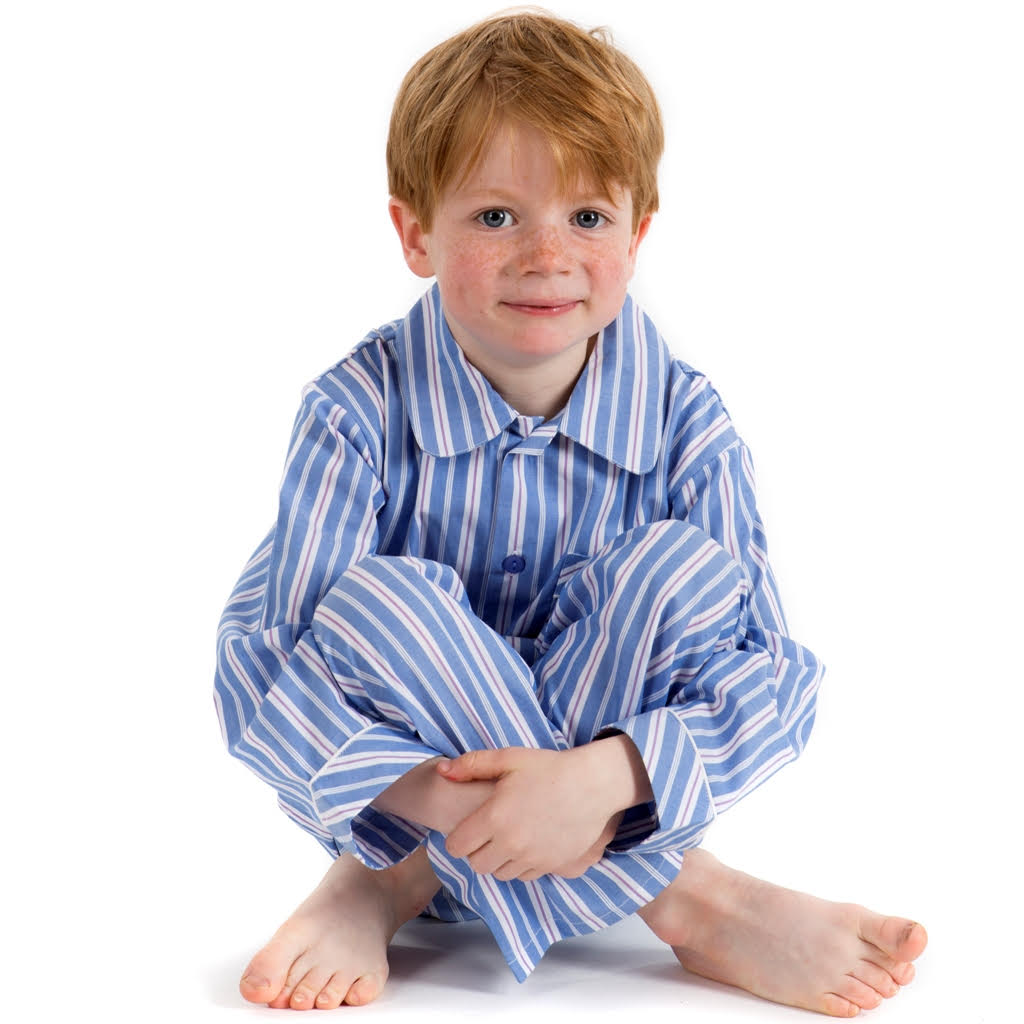
Selecting non-toxic nursery sleep essentials for newborns is one of the most impactful decisions you can make for their long-term health. By choosing materials that prioritize mattress safety, you are creating a sanctuary that supports their immune system while they rest.
2. Light Control: Protecting the Circadian Rhythm
Newborns are not born with a functional circadian rhythm; they must develop it over the first few months of life. Light is the most powerful signal to the brain that it is time to be awake. This is why we advocate for lighting and sleep environment strategies that strictly control blue light exposure. Blue light suppresses melatonin, the hormone responsible for sleep, which can lead to shorter naps and more frequent night wakings.
Installing high-quality blackout curtains is one of the best nursery sleep essentials because it allows you to simulate nighttime during afternoon naps. By creating a sensory friendly baby sleep environment that is pitch black, you signal to the baby's brain that it is time for deep restorative rest. For nighttime feeds and diaper changes, avoid turning on overhead lights. Instead, use a dim, warm red or amber-toned light. Red light has the least impact on melatonin production, allowing you to attend to your baby's needs without fully waking their system.
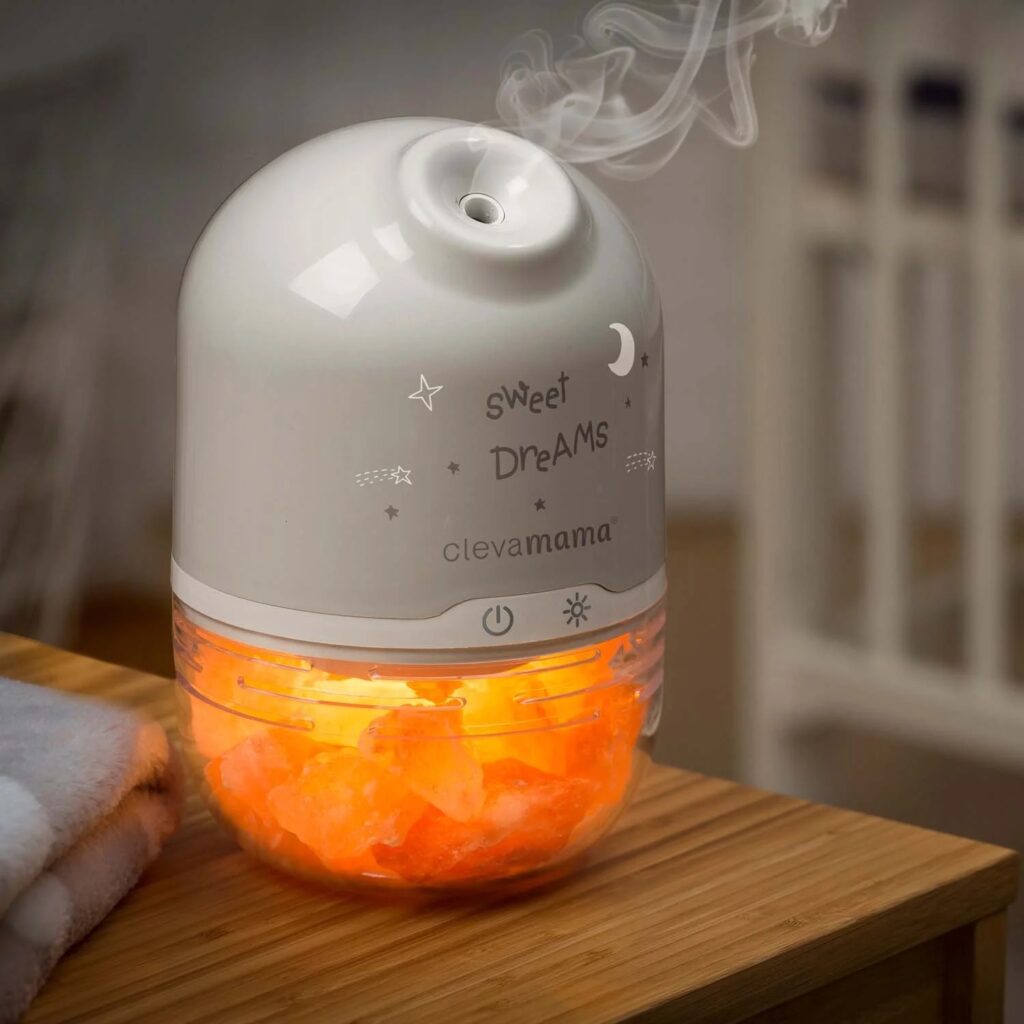
A consistent baby sleep environment setup that respects these biological light triggers will often result in a baby who settles more easily. It is about working with their biology rather than against it.
3. Sound Engineering: Mimicking the Womb
The world outside the womb is surprisingly quiet and jarring compared to the constant rhythmic whooshing of blood flow and heartbeats the baby heard for nine months. Auditory sleep aids are not just about "masking noise"; they are about providing a comforting, familiar acoustic blanket.
A study published in the Archives of Disease in Childhood found that 80 percent of newborns were able to fall asleep within five minutes of hearing white noise, compared to only 25 percent who fell asleep without it. When choosing a white noise machine, look for one that offers a continuous "pink noise" or "white noise" setting rather than nature sounds like birds or rain, which can have inconsistent frequencies.
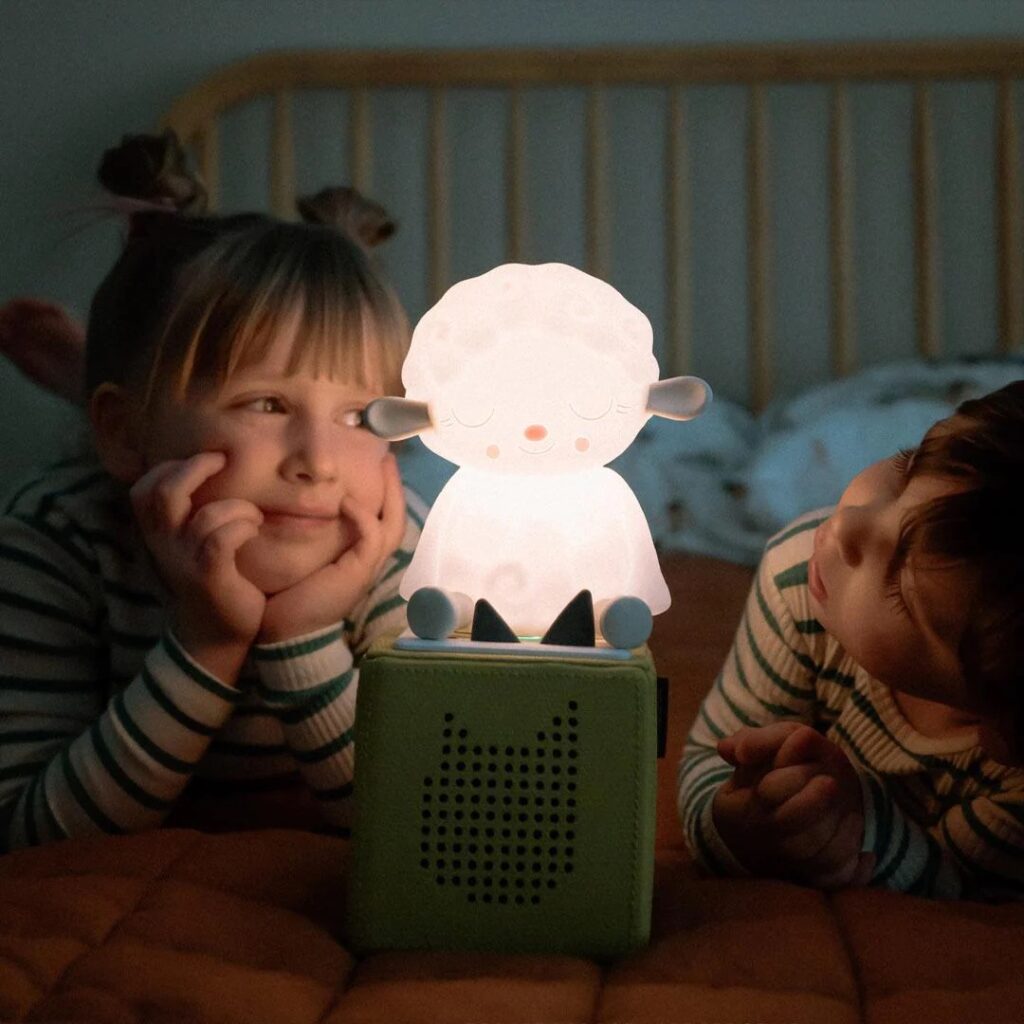
It is important to place the device at least 6 to 10 feet away from the crib and keep the volume at a comfortable level, similar to a soft shower. These must-have infant sleep routine products are vital for self-soothing, as they help the baby transition between sleep cycles without being startled by household noises like a door closing or a car passing by.
4. Climate Control: The 68-72°F Sweet Spot
One of the most common mistakes in a baby sleep environment setup is keeping the room too warm. Overheating is a significant risk factor for SIDS and can cause significant discomfort, leading to restless sleep. The American Academy of Pediatrics recommends maintaining a nursery room temperature between 68 and 72 degrees Fahrenheit to reduce the risk of overheating and Sudden Infant Death Syndrome (SIDS).
To manage this, we suggest using a dedicated nursery room temperature control for safe sleep, such as a smart thermometer or a hygrometer. Humidity also plays a role in respiratory comfort. If the air is too dry, it can irritate a baby's sensitive nasal passages, leading to congestion. Aiming for a humidity level between 40 and 60 percent using a cool-mist humidifier can make a world of difference during the winter months. Always ensure the crib is placed away from direct air vents or drafty windows to maintain a stable micro-climate around the sleeping area.
5. Safe Wearables: Swaddles & Sleep Sacks
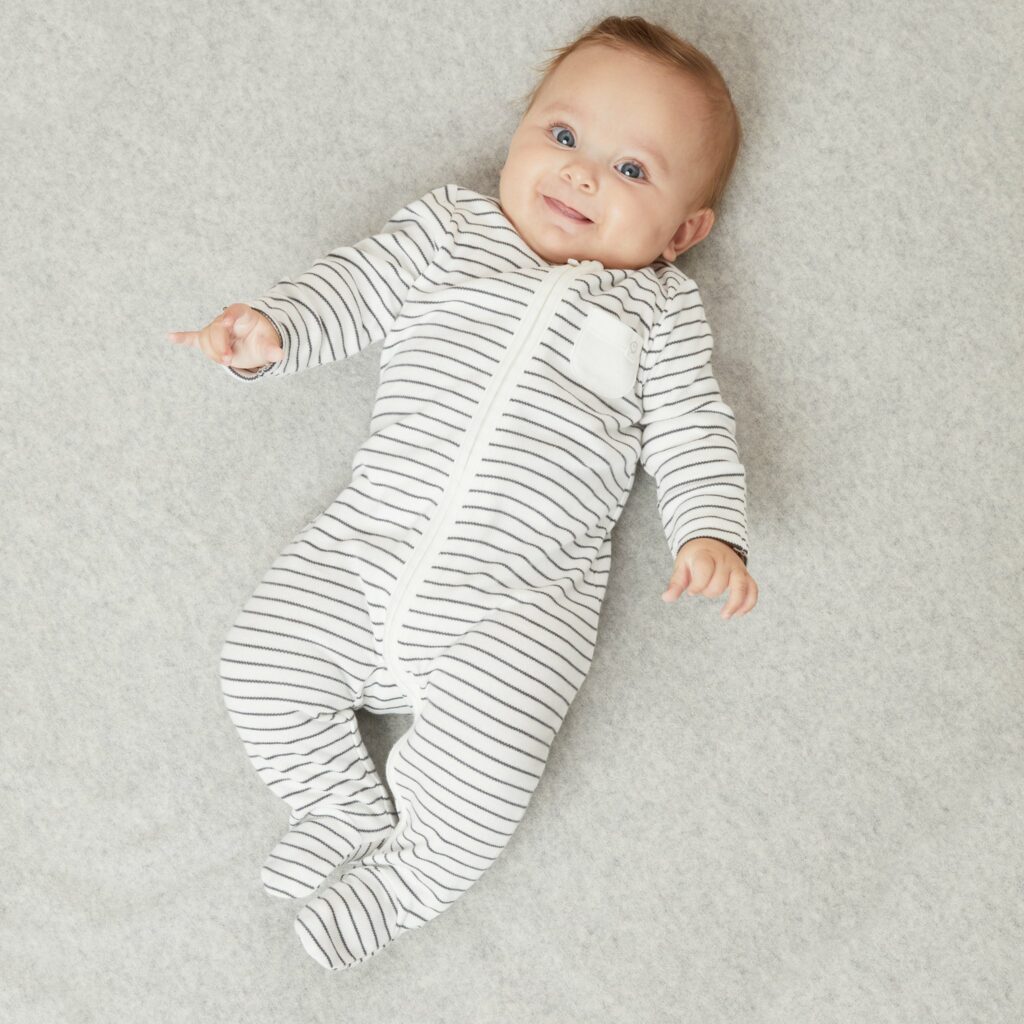
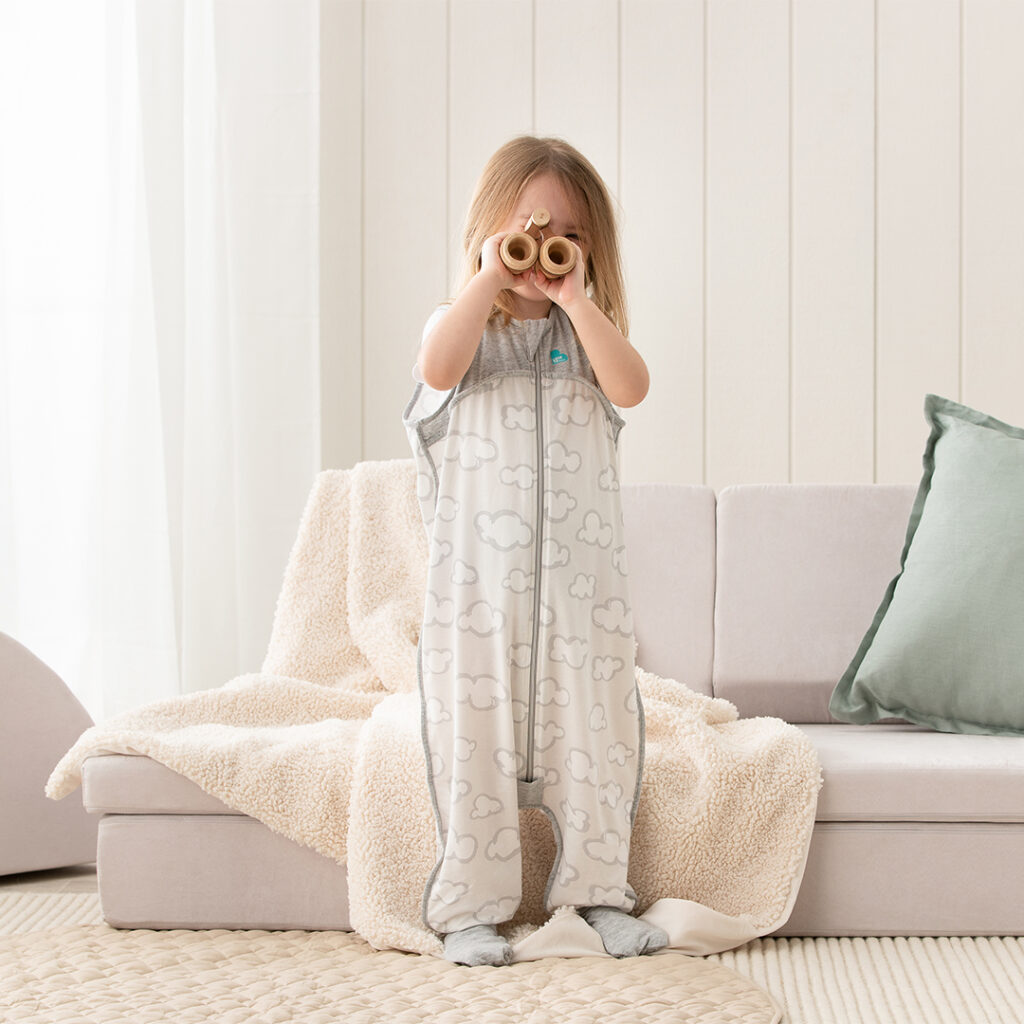
Loose blankets have no place in a modern nursery. They pose a suffocation risk and are easily kicked off, leading to a cold and crying baby. Instead, we look to infant sleepwear that provides warmth and security safely. Swaddling is an excellent tool for the early weeks as it prevents the startle reflex from waking the infant. However, as soon as a baby shows signs of rolling, it is time to transition to a sleep sack.
Transition bags and sleep sacks made from natural fibers like organic cotton or merino wool are essential nursery sleep essentials. These materials are naturally breathable and help with temperature regulation, ensuring the baby doesn't sweat or chill. Modern sleep sacks also allow for healthy hip development by providing enough room for the baby to kick and move their legs into a "frog" position. Using these infant sleep routine products as part of your nightly ritual helps build a strong sleep association, signaling to your little one that the day is over.
6. Air Quality: HEPA Filtration for Sensitive Lungs
The quality of the air your baby breathes is just as important as the purity of the water they drink. Because infants have a higher respiratory rate than adults, they are more susceptible to indoor air pollutants. This is why nursery air quality is a pillar of our wellness recommendations. A high-quality air purifier with a HEPA filter can capture 99.97 percent of airborne particles, including dust, pollen, and even some viruses.
When looking for nursery items for better sleep, consider an air purifier that is Greenguard Gold certified. This ensures the device itself isn't contributing to indoor air pollution through its own materials. Clean air supports the respiratory health of the infant, reducing the likelihood of coughs or allergies that can disrupt a peaceful night. Integrating air purification into your creating a sensory friendly baby sleep environment ensures that the air is as crisp and clean as a spring morning, every single night.
7. Smart Monitoring: Data-Driven Peace of Mind
The psychological state of the parent is intrinsically linked to the sleep quality of the baby. If you are anxious, you are more likely to intervene unnecessarily, potentially waking a baby who was merely transitioning between sleep cycles. This is where monitoring technology serves a dual purpose: it ensures safety while providing parents with the peace of mind needed to let the baby sleep undisturbed.
Modern smart nursery devices for monitoring baby sleep have moved beyond simple video feeds. We now see monitors that track room temperature, humidity, and even the baby's breathing patterns or oxygen levels through wearable sensors. Two-way audio allows you to offer a gentle vocal "shush" without entering the room, which is a powerful tool for encouraging self-soothing. By choosing a monitor with high-definition night vision, you can check on your little one from your own bed, maintaining the boundary of the nursery while ensuring they are safe.
8. Safe Sleep Environment Checklist
As we finalize our nursery sleep essentials list, it is vital to return to the clinical basics. Adhering to a safe sleep environment checklist for nursery setup is the most important thing you can do for your baby’s safety. The American Academy of Pediatrics has noted that decrease the risk of Sudden Infant Death Syndrome (SIDS) by as much as 50 percent can be achieved simply by room-sharing without bed-sharing for at least the first six months.
To keep your nursery items for better sleep organized and safe, follow this checklist daily:
- Alone: The baby should always sleep alone in their own space. No pillows, stuffed animals, or crib bumpers.
- Back: Always place the baby on their back for every sleep, including naps.
- Crib: Use a safety-certified crib, bassinet, or play yard with a firm mattress and a tight-fitting sheet.
- Clear Space: Ensure there are no cords (from monitors or blinds) within 3 feet of the crib.
- Temperature Check: Verify the room is between 68 and 72 degrees Fahrenheit before laying the baby down.
By integrating these clinical standards with high-quality nursery sleep essentials, you create a space where your baby can thrive, grow, and—most importantly—sleep soundly through the night.
FAQ
What is the safest sleeping environment for a baby?
The safest environment is a firm, flat, non-toxic mattress in a safety-certified crib or bassinet that is free from all loose items like blankets, pillows, or toys. The baby should be placed on their back to sleep. Research confirms that sharing a room with your baby for the first six months, while keeping them in their own separate sleep space, is the most effective way to reduce sleep-related risks.
Is a white noise machine necessary for a baby's nursery?
While not strictly a safety requirement, a white noise machine is highly recommended for biological comfort. It helps replicate the loud, rhythmic sounds of the womb, which calms the infant's nervous system. It also serves as a functional barrier against sudden household noises that could wake a baby between sleep cycles, making it one of the most effective infant sleep routine products for longer rest periods.
What type of mattress is best for a baby's crib?
The best mattress is one that is firm, breathable, and made from non-toxic materials. Look for certifications like Greenguard Gold or GOTS to ensure the mattress does not off-gas harmful chemicals. Breathability is also a key feature to look for, as it helps regulate the baby's body temperature and allows for safer breathing if the baby eventually rolls onto their stomach.
What is the ideal temperature for a baby's nursery?
Clinical experts recommend keeping the nursery temperature between 68 and 72 degrees Fahrenheit (20 to 22 degrees Celsius). This range is optimal for preventing overheating, which is a known risk factor for SIDS. Using a simple digital thermometer in the nursery can help you monitor this consistently, as thermostats in other parts of the house may not accurately reflect the temperature in the baby's room.
Do newborns need blackout curtains for daytime naps?
Yes, blackout curtains are highly beneficial for newborns and older infants alike. They help facilitate the production of melatonin by blocking out sunlight, which is especially important during daytime naps. By creating a dark environment, you help the baby's developing brain distinguish between "sleep time" and "active time," which eventually leads to a more predictable and consolidated sleep schedule.
Investing in these essential baby registry items for better sleep is an investment in your whole family's well-being. When your baby sleeps better, you sleep better, allowing you to be the present, energized parent your little one deserves. Start with the safety-first essentials and watch as your nursery transforms into a peaceful haven for rest.