Quick Facts
- Season Timeline: Viral activity typically begins to rise in the autumn, with peak 2024-2025 respiratory season activity expected between December and February.
- Flu Vaccine Update: The 2024-2025 flu vaccines are trivalent, specifically removing the B/Yamagata lineage as it is no longer circulating globally.
- COVID-19 Strategy: Updated boosters for this season target the KP.2 and JN.1 variants to better match current viral transmission patterns.
- RSV Immunization: Nirsevimab is the primary defense for infants; adults aged 75+ and those 50-74 with high-risk conditions are eligible for a single lifetime RSV dose.
- Protection Standards: When respiratory virus activity is high, choosing between n95 and surgical masks for protection favors N95 or KN95 models for superior filtration.
- Hospitalization Risk: Combined data suggests that influenza and COVID-19 may lead to over 1.5 million hospitalizations this season if vaccination rates do not improve.
For the 2024-2025 respiratory season, vaccination remains the primary defense against severe illness. The ACIP recommendations prioritize updated trivalent flu shots, COVID-19 boosters targeting KP.2, and specific RSV immunizations for infants and seniors to reduce the overall hospitalization burden.
Understanding the 2024-2025 Landscape: Strains and Surveillance
As we move into the 2024-2025 respiratory season, public health officials are monitoring a shifting landscape of viral threats. This year marks a significant transition in how we approach influenza. For the first time in years, the flu vaccine has been transitioned to a trivalent formula. This change follows the disappearance of the B/Yamagata lineage, a strain that has not been detected in global public health surveillance since early 2020. By streamlining the vaccine, manufacturers can focus on the strains currently driving viral transmission.
COVID-19 also continues to evolve, with the 2024 boosters specifically engineered to combat the KP.2 and JN.1 variants. These strains have shown a high degree of transmissibility, making annual boosters a critical component of community health. The urgency for these updates is underscored by the sheer scale of the viruses' impact. During the 2024-2025 respiratory season, the CDC estimated that influenza resulted in between 610,000 and 1.3 million hospitalizations and 27,000 to 130,000 deaths in the United States.
Meanwhile, COVID-19 remains a formidable challenge, associated with an estimated 290,000 to 450,000 hospitalizations and 34,000 to 53,000 deaths nationwide for the same period. Despite these numbers, public health data from November 2024 indicated that only about 35% of U.S. adults had received their seasonal flu vaccine, and nearly 18% had received the updated COVID-19 shot. Understanding these trends helps you make informed decisions about your family's health during the winter viral peak.
Vaccination Windows: Timing and Eligibility
Navigating the flu and RSV vaccine timing 2024 requires a proactive approach. Health experts generally recommend getting vaccinated in September or October to ensure your immunity is at its peak during the December-February surge. For most people, it is perfectly safe to receive both the flu and COVID-19 vaccines during the same visit, which simplifies the process of staying protected.
Specific groups need to pay closer attention to the latest ACIP recommendations. For instance, the rsv vaccine recommendations for adults with high risk conditions now include those aged 50-74 who have chronic heart or lung disease. For those 75 and older, a single lifetime dose is recommended if they have not already received one.
The youngest members of our families also have new layers of protection. The rsv immunization requirements for infants 2024-2025 emphasize the use of Nirsevimab, a long-acting monoclonal antibody. This is typically given to infants under 8 months old entering their first RSV season. For pregnant individuals, the Abrysvo vaccine is recommended between 32 and 36 weeks of gestation, providing the newborn with immediate protection after birth. By targeting these high-risk populations, we can significantly lower the hospitalization burden across all age groups.
Symptom Identification: Flu, COVID-19, and RSV
One of the biggest challenges for families is respiratory illness symptom differentiation. Because the flu, COVID-19, and RSV share many clinical markers—such as fever, cough, and fatigue—it is often impossible to tell them apart based on feeling alone. This is where rapid diagnostic tests become indispensable. Testing at home or at a clinic at the first sign of illness allows for appropriate treatment, such as antiviral medications, which are most effective when started early.
| Symptom | Influenza (Flu) | COVID-19 | RSV |
|---|---|---|---|
| Fever | High (Common) | Common | Common in kids, rare in adults |
| Cough | Common (Usually dry) | Common | Common (May be wheezy) |
| Shortness of Breath | Rare | Common in severe cases | Common in infants/seniors |
| Loss of Taste/Smell | Rare | Sometimes | Rare |
| Muscle Aches | Severe | Common | Mild |
| Sore Throat | Common | Common | Common |
If you are trying to figure out how to differentiate between respiratory illness symptoms, remember that RSV often involves more wheezing or difficulty breathing in very young children, while the flu is known for its sudden onset of high fever and body aches. However, the overlap is significant enough that medical professionals urge against guessing. Relying on testing ensures you receive the right care and know when it is necessary to isolate to prevent spreading the virus to others.
Layered Defense: PPE and Hygiene Protocols
Vaccines are your primary shield, but practical hygiene tips for the 2024-2025 respiratory season provide an essential second layer of defense. In school and office environments, preventative hygiene for respiratory season starts with the basics: regular handwashing for at least 20 seconds and the consistent use of hand sanitizer when soap and water are unavailable. These simple actions disrupt the pathway of germs from surfaces to your respiratory system.
When you find yourself in crowded indoor spaces or on public transit, masking remains a highly effective tool. However, not all masks are created equal. When choosing between n95 and surgical masks for protection, the N95 or KN95 respirators are the clear winners. These masks offer a tighter seal and superior filtration of small respiratory droplets compared to loose-fitting surgical masks.
For households with immunocompromised members, a strategy known as "Household Cocooning" is recommended. This involves ensuring everyone in the home is fully vaccinated and wears high-quality masks when in public to minimize the risk of bringing a virus home. These respiratory virus prevention strategies for school and office help maintain workplace wellness and keep classrooms open during the height of the season.
The Home Care Toolkit: Supplies and Nutrition
Preparation is the best antidote to the stress of an unexpected illness. Having your home ready before anyone gets sick means you won't be rushing to the pharmacy while feeling unwell. Your essential medicine cabinet supplies for respiratory season should include a mix of diagnostic tools and symptom management items.
The Winter Readiness Shopping List:
- Diagnostic Tools: Rapid diagnostic tests for COVID-19 and the flu.
- Monitoring: A pulse oximeter to track blood oxygen levels, especially for those with COVID-19 or RSV.
- Fever Reducers: Acetaminophen or ibuprofen to manage aches and temperatures.
- Hydration: Electrolyte powders or solutions to prevent dehydration.
- Comfort: Cough suppressants, throat lozenges, and a reliable digital thermometer.

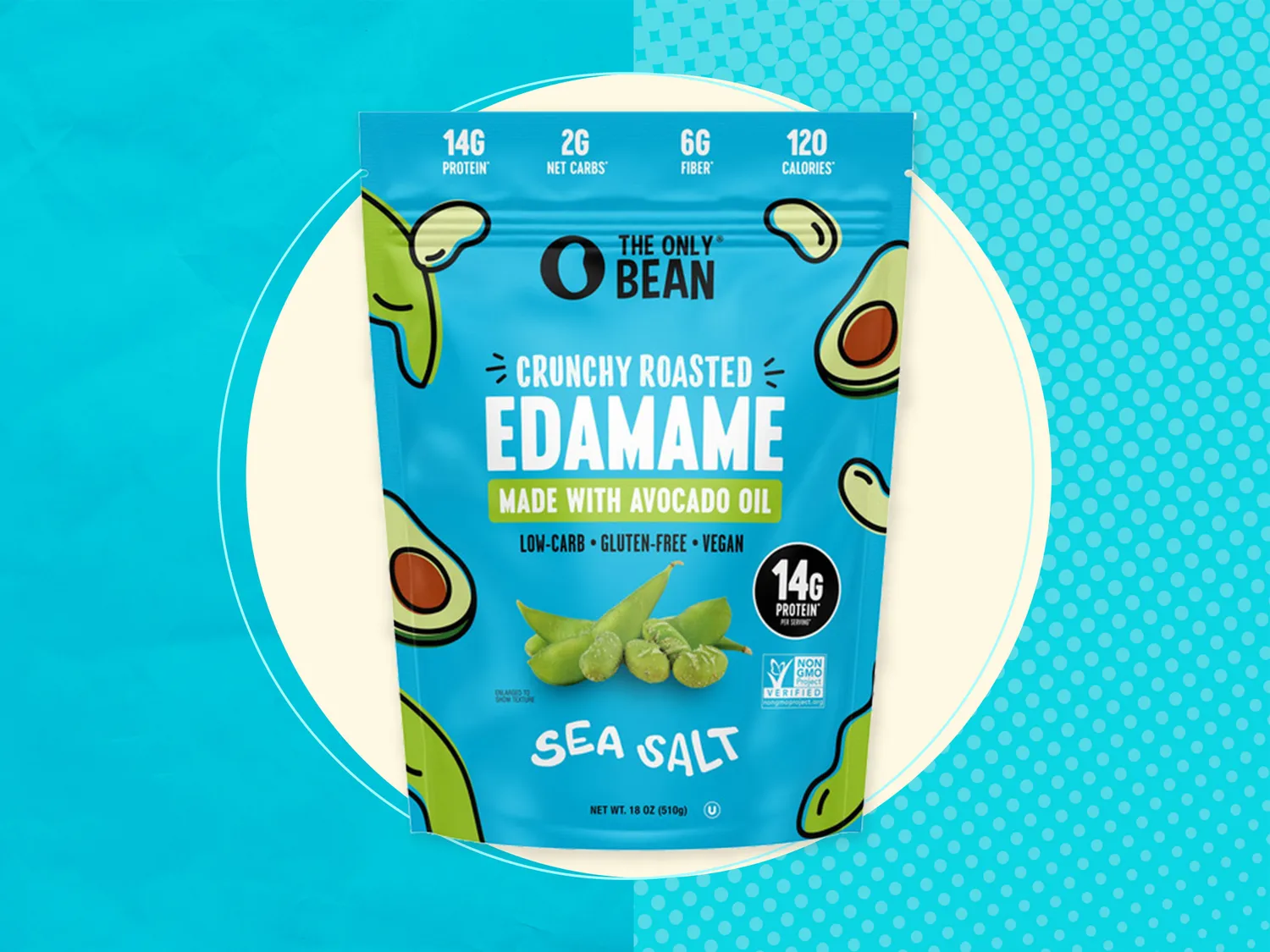
Nutrition also plays a vital role in how quickly you recover. When fighting an infection, your body’s metabolic rate increases, requiring more energy. Dietitians suggest focusing on protein-rich and fiber-rich snacks that are easy to digest. Maintaining energy levels is crucial for a robust immune response.
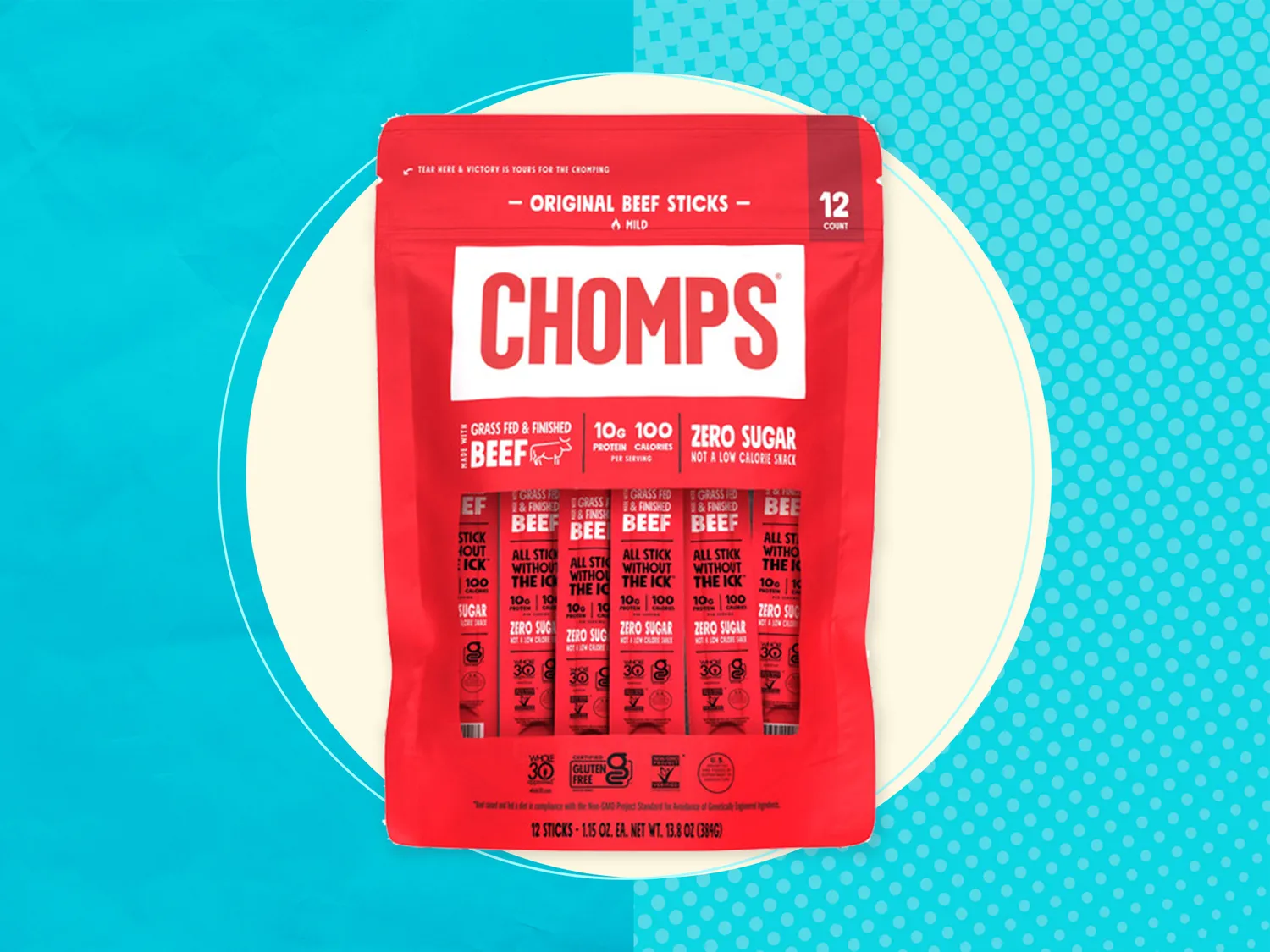
Fiber is equally important, as it supports gut health—a major component of your immune system. If you are following home care guidelines for mild respiratory infections, small, frequent snacks are often better tolerated than large meals.
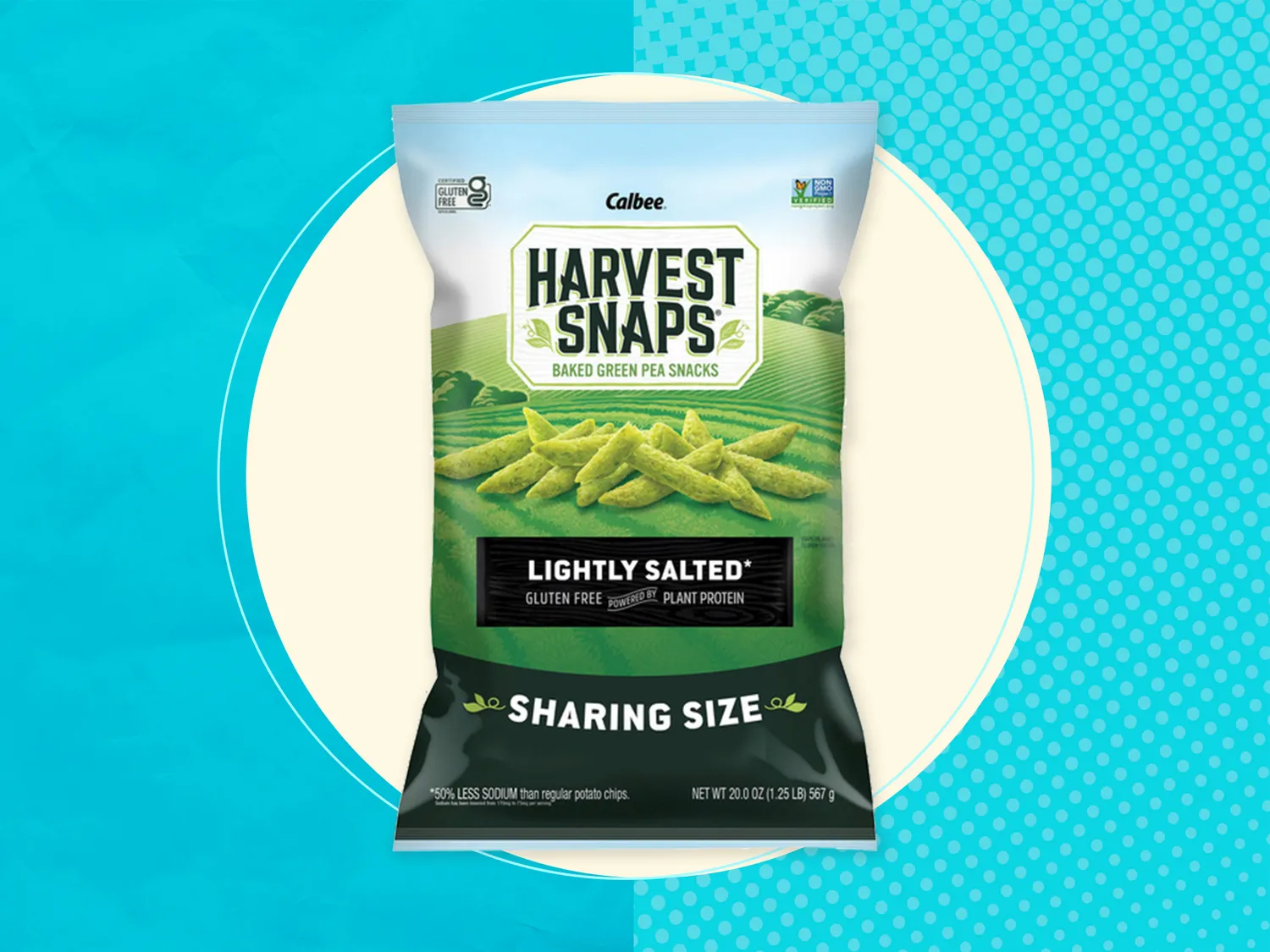
Plant-based proteins can also provide the fuel your body needs without being too heavy on the stomach.
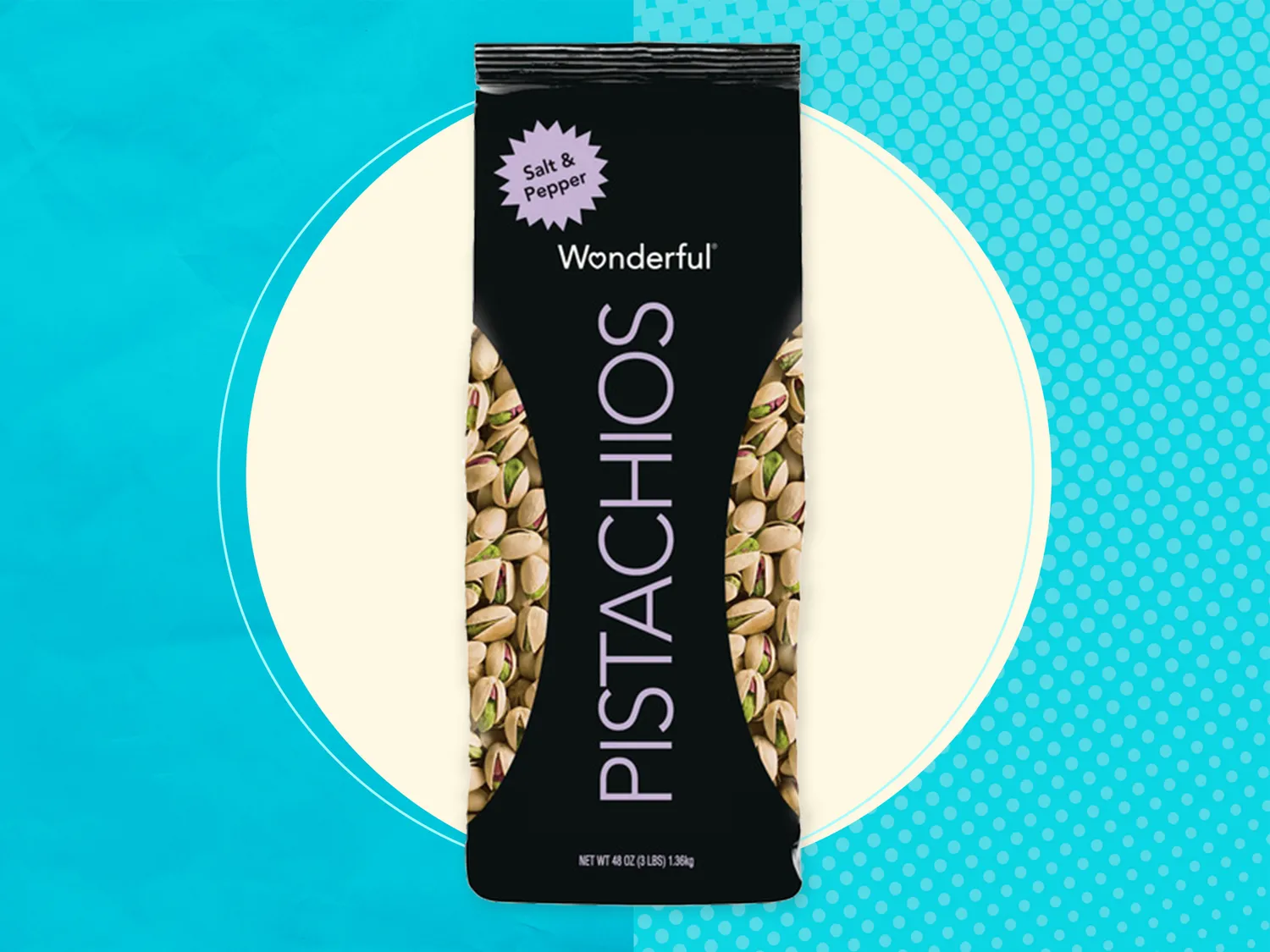
Additionally, healthy fats and minerals found in nuts can aid in cellular repair and provide the sustained energy required to fight off persistent symptoms.
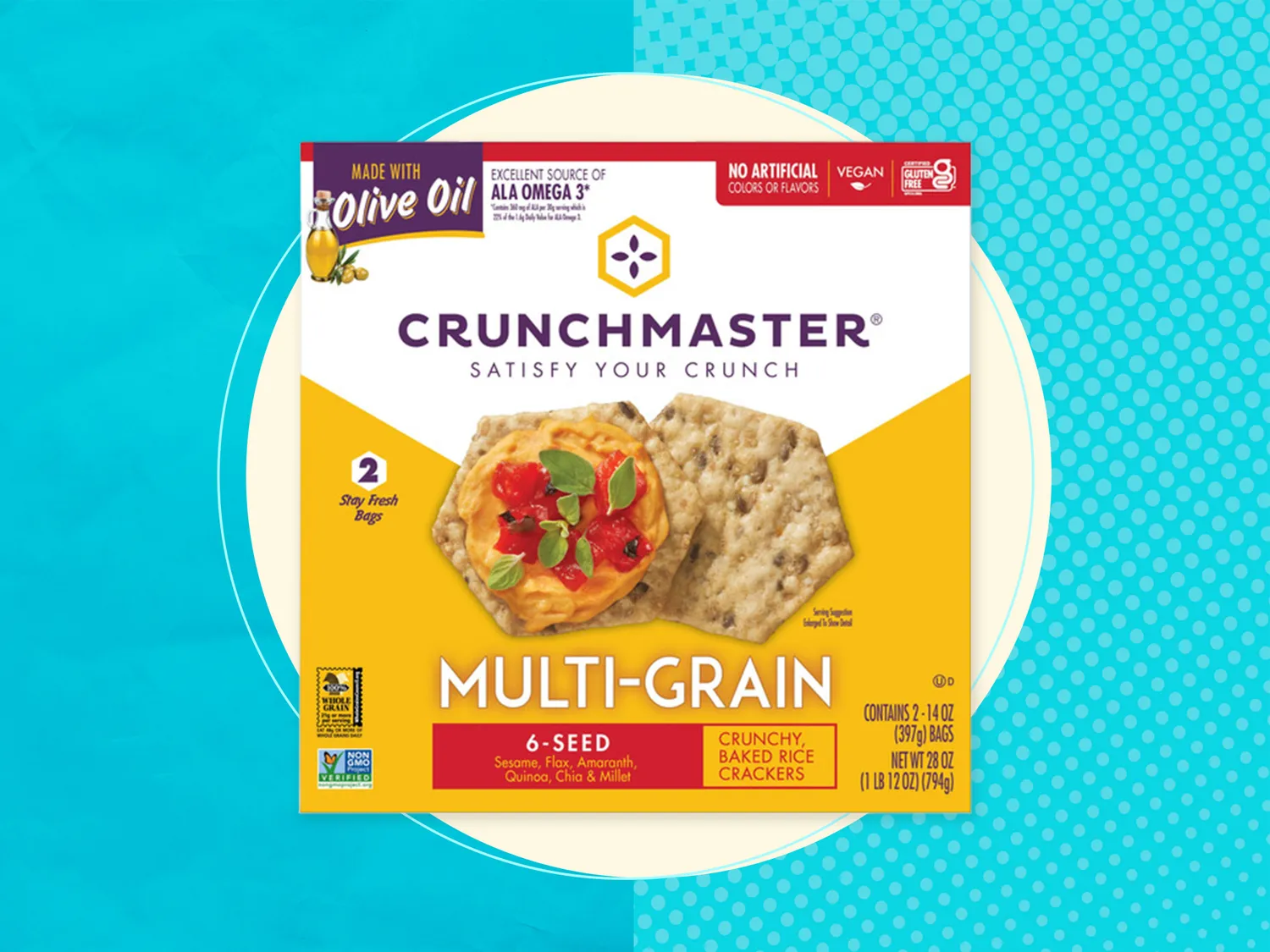
Finally, don't overlook complex carbohydrates. They provide the steady glucose supply your brain and muscles need when your appetite is low.
FAQ
When does the 2024-2025 respiratory season start?
The season typically begins in late September or October as the weather cools and people spend more time indoors. While activity starts early, the peak period usually occurs between December and February.
What vaccines are recommended for the 2024-2025 respiratory season?
The ACIP recommendations include the updated trivalent flu vaccine, the 2024-2025 COVID-19 booster (targeting KP.2/JN.1), and RSV immunizations for eligible infants, seniors, and pregnant individuals.
When is the best time to get vaccinated for the 2024-2025 season?
The ideal window for flu and RSV vaccine timing 2024 is during September and October. This allows your body enough time to build a strong immune response before the peak of viral transmission in the winter months.
Who is eligible for the RSV vaccine for 2024-2025?
Eligibility includes adults aged 75 and older, and adults aged 50-74 who have high-risk conditions like chronic heart or lung disease. Additionally, Nirsevimab is recommended for infants under 8 months, and the Abrysvo vaccine is recommended for pregnant individuals.
Can I get the flu and COVID-19 vaccines at the same time?
Yes, it is safe and often recommended to receive both vaccines during the same visit. Co-administration is a convenient way to stay up to date on your immunizations and ensure protection against the major drivers of the hospitalization burden this season.