Quick Facts
- Top Toddler Pick: Merino wool sleeping suits for natural temperature regulation (Starting from £43.99).
- Best Adult Nightwear: Brushed cotton pyjamas for high thermal comfort and breathability.
- Skincare Essential: Overnight masks with saffron flowers or hyaluronic acid for moisture barrier repair.
- Ideal Environment: Nursery temperature maintained between 68 and 72 degrees Fahrenheit for safety.
- Key Ritual: Dimmable night lights to ease nighttime fears and maintain sleep hygiene.
- Direct Answer: The best winter sleep essentials for families focus on thermal comfort and temperature regulation using natural fibers. Materials like brushed cotton and merino wool provide necessary warmth while remaining breathable. Incorporating these into a sensory wind-down routine signals the nervous system to relax, making it easier for both adults and children to transition into a restful state during the colder months.
As the temperature drops, mastering a winter sleep routine requires more than just heavy blankets. This guide explores the best winter sleep essentials for families, focusing on temperature regulation and sensory wind-down techniques. We are currently seeing a massive shift in how we approach rest; in fact, the global sleep economy, including bedding and supplements, is projected to reach a record high of $585 billion in 2024. To navigate this season successfully, we must look at both our external environment and our internal biological needs.
The Psychology of Warmth: Best Winter Nightwear for Adults
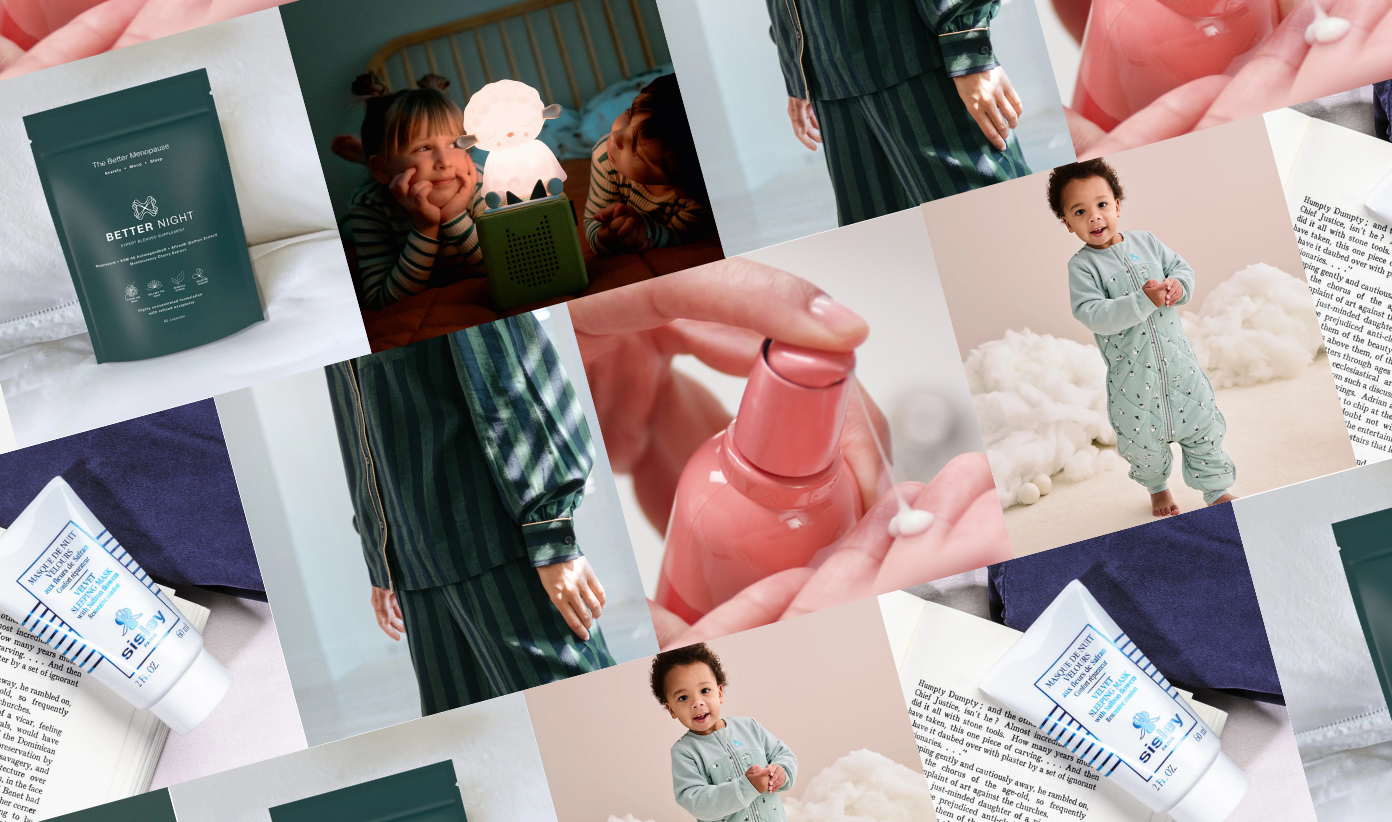
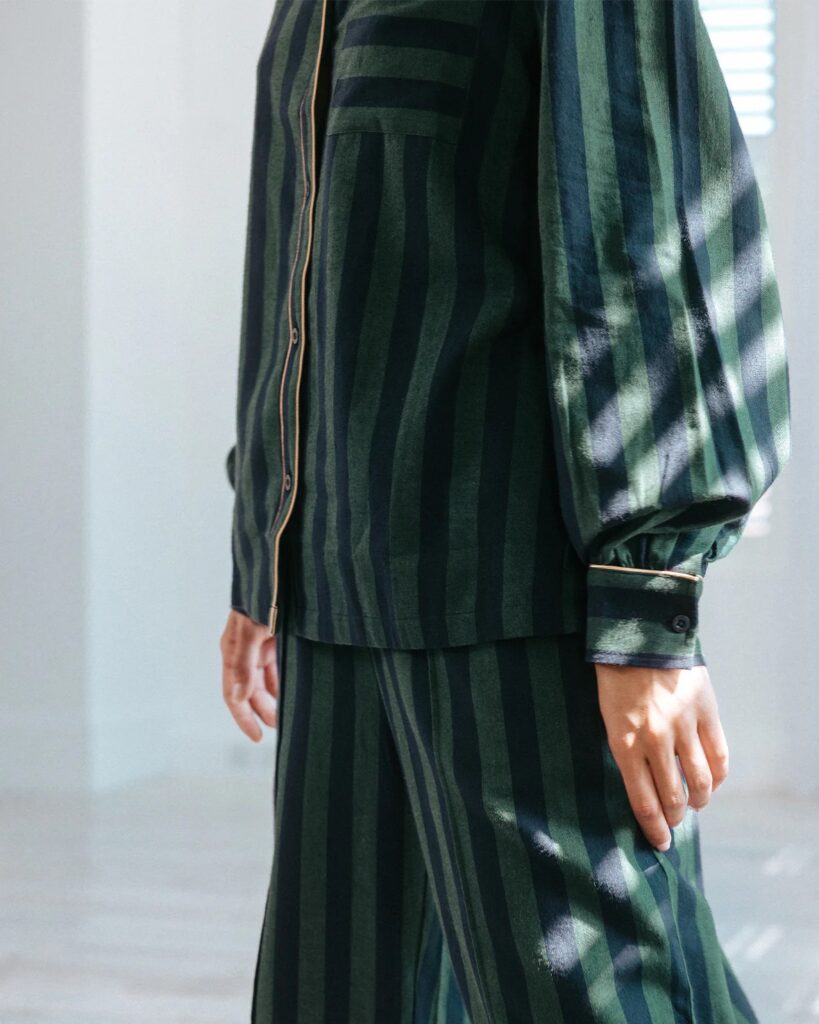
In my years of clinical observation and editorial testing, I have found that the transition to sleep begins long before your head hits the pillow. This is known as signaling theory—the idea that specific physical actions, such as changing into high-quality sleepwear, act as psychological triggers for the nervous system to begin its wind-down. When looking for the best winter nightwear for warmth, the goal is to achieve thermal comfort without causing the body to overheat and disrupt the deep sleep phase.
Brushed cotton is the gold standard for adult winter pajamas. Unlike synthetic fleece, which can trap sweat and lead to midnight wake-ups, the best brushed cotton pyjamas for warmth feature a napped finish that creates tiny air pockets. these pockets trap heat while allowing the skin to breathe. For women navigating life stages like perimenopause or the postpartum period, this breathability is non-negotiable for managing fluctuating body temperatures.
| Nightwear Type | Material | Thermal Comfort Level | Best For |
|---|---|---|---|
| Classic Pyjama Set | Brushed Cotton | High | All-night warmth and breathability |
| Luxury Nightdress | Silk-Cotton Blend | Moderate | Layering and sensitive skin |
| Thermal Base Layer | Merino Wool | Very High | Extremely cold climates or low-heat homes |
Choosing garments made from natural fibers is not just a luxury; it is a physiological necessity for restorative sleep. When our skin feels the gentle weight and texture of quality cotton, it lowers cortisol levels and promotes a sleep-inducing environment.
Restorative Rituals: Overnight Skincare and Supplements
The winter air is notoriously harsh, stripping the skin of its natural oils while indoor heating further dehydrates the moisture barrier. Overnight skincare for dry winter skin should be viewed as a medical necessity for comfort rather than just a beauty step. During the night, our body’s circadian rhythm shifts into repair mode, making it the most effective time for skin regeneration.
I often recommend the "Sandwich Method" to patients and readers to ensure maximum hydration:
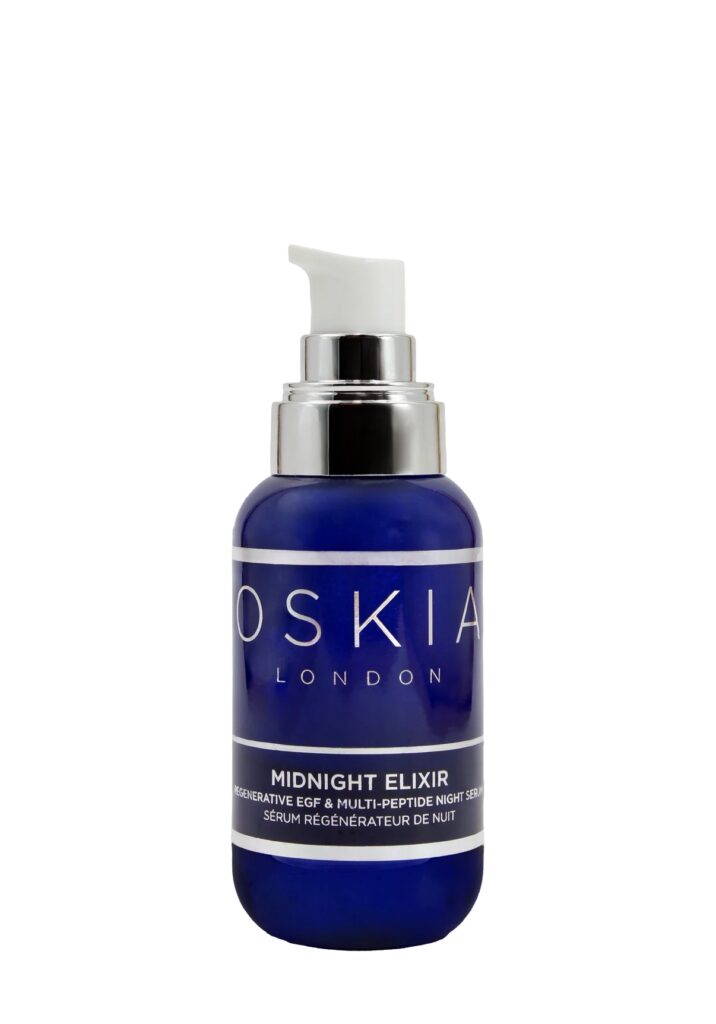
- The Humectant Layer: Apply a serum containing hyaluronic acid to damp skin to pull moisture in.
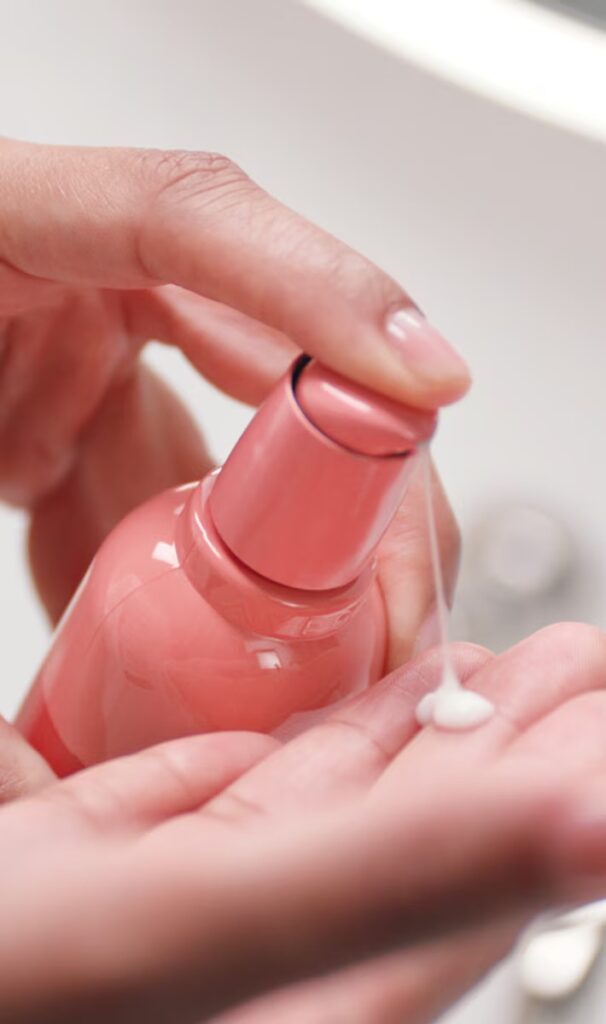
- The Barrier Layer: Use a cream rich in squalane or ceramides to strengthen the moisture barrier repair.
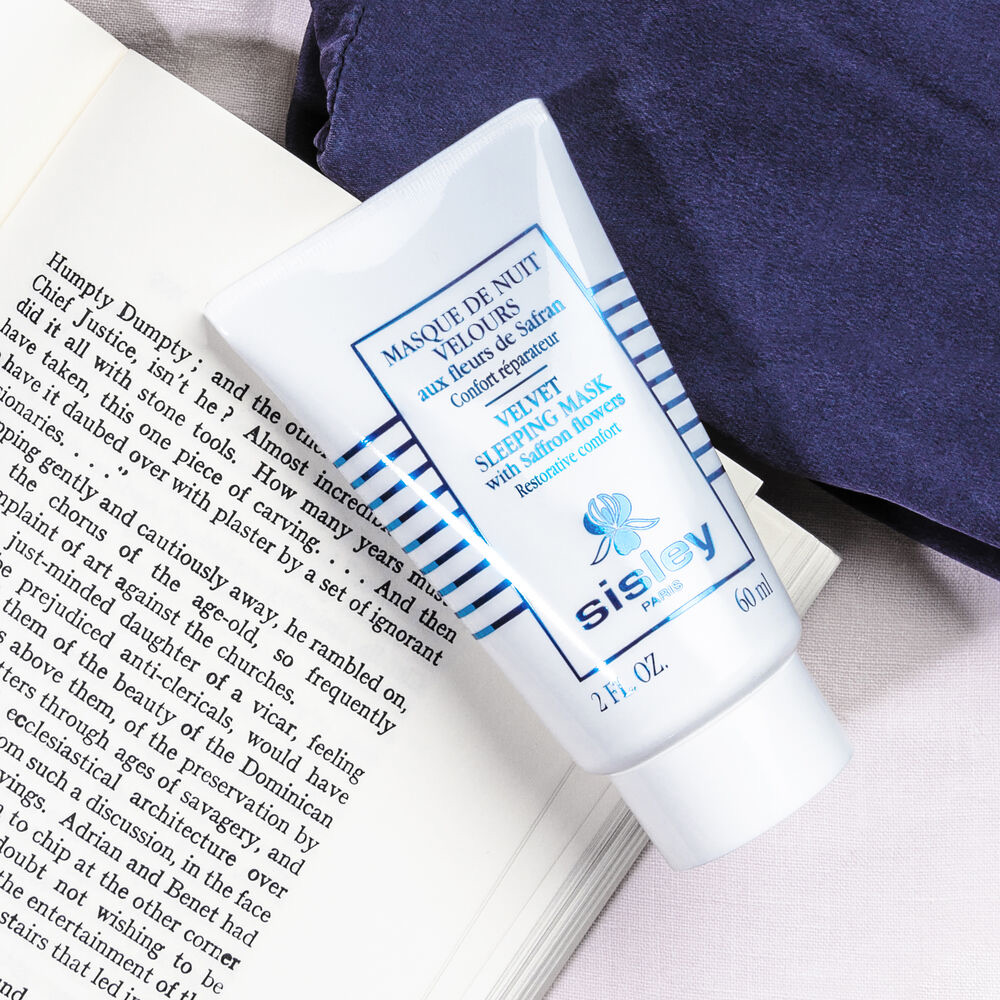
- The Occlusive Layer: Seal everything with a sleeping mask featuring saffron flowers, which act as a powerful antioxidant to calm winter-induced redness.
For parents in their 40s, internal balance is just as vital as topical care. Hormonal shifts can often lead to fragmented sleep. Integrating sleep supplements for hormonal balance in 40s, such as magnesium glycinate or ashwagandha, can help regulate the stress response. The market reflects this need, with a 55 percent year-over-year increase in the sale of sleep support supplements as people seek natural ways to stay settled through the night.
Toddler Winter Bedtime: Security and Temperature Control
Ensuring a safe and cozy winter bedtime routine for toddlers is often the biggest challenge for young families. Many parents instinctively reach for heavy duvets, but these can be difficult for toddlers to manage and may lead to overheating or safety risks.
Instead, merino wool sleeping suits for toddlers have become a staple recommendation in my guides. Merino is a miracle fiber; it is naturally thermoregulating, meaning it keeps the child warm when it is cold and cool if the room temperature fluctuates. This is particularly important because medical professionals recommend maintaining a nursery temperature between 68 and 72 degrees Fahrenheit during winter for infant and toddler safety.
Beyond physical warmth, the sensory wind-down is crucial. Winter often brings longer periods of darkness, which can trigger nighttime fears or sleep regressions in developing toddlers. Using toddler night lights for fear of the dark can provide a gentle sense of security. I recommend dimmable night lights with a warm amber or red hue, as these do not interfere with melatonin production, ensuring the child can drift off easily after a middle-of-the-night wake-up.
Toddler Winter Essentials Checklist
- Merino Wool Suit: Look for footless versions to allow for mobility.
- Warm Amber Light: To provide security without disrupting the circadian rhythm.
- Humidifier: To keep the air from becoming too dry for small nasal passages.
- Consistent Routine: A predictable sensory wind-down (warm bath, soft pajamas, quiet story).
FAQ
What is the ideal room temperature for sleeping in winter?
For both adults and children, the sweet spot for a restorative sleep environment is typically between 68 and 72 degrees Fahrenheit. Maintaining this range ensures that the body can cool down slightly to initiate sleep without becoming so cold that the nervous system wakes you up to generate heat.
How do I choose the right duvet for winter?
When selecting a duvet, look for high-quality natural fills like down or wool. Wool is particularly effective for couples because it regulates temperature individually, preventing one person from overheating while the other stays warm. Aim for a higher tog rating in winter, but ensure the material remains breathable.
What are the best types of pajamas for winter sleep?
The best choice is always a natural fiber. Brushed cotton is excellent for those who want a cozy, soft feel, while silk-cotton blends are better for those who suffer from night sweats. Avoid heavy synthetic materials like 100% polyester fleece, as they often lack the necessary airflow for deep sleep.
How can I prevent dry skin while sleeping in the winter?
Establish a dedicated overnight skincare routine for dry winter skin by layering products. Use a humectant to draw in moisture, followed by a thick moisturizer to support moisture barrier repair. Adding a cool-mist humidifier to your bedroom can also help combat the drying effects of indoor heating.
Taking the time to audit your family's winter sleep setup is an act of wellness. By focusing on the science of thermal comfort and the gentle art of the sensory wind-down, you can ensure that the coldest months of the year are also the most restful for your entire household.