Quick Facts
- Top Pick: Shoden Ashwagandha containing 35% withanolides for comprehensive cortisol management.
- Fastest Acting: L-Theanine or sublingual oral sprays for noticeable relief within 30 minutes.
- Best for Physical Tension: Magnesium Glycinate due to its high bioavailability and muscle-relaxing properties.
- Clinical Benchmark: Saffron extract (Affron) at 28mg daily for significant mood elevation.
- Biometric Target: Supplements that aim for measurable improvements in Heart Rate Variability (HRV) and Resting Heart Rate (RHR).
- Direct Answer: The most effective stress relief supplements, such as ashwagandha and magnesium, work by modulating the HPA axis and supporting the parasympathetic nervous system to lower cortisol levels and restore emotional balance.
Effective stress relief supplements often include adaptogens like ashwagandha and holy basil, which help regulate the body's cortisol levels and HPA axis balance. Magnesium is also essential for nervous system support, as it promotes muscle relaxation and helps the body transition into a "rest and repair" state. Other clinically studied ingredients such as L-theanine and saffron are frequently used to enhance mental clarity and elevate mood without causing drowsiness.
Understanding the HPA Axis: Why Your Body Needs Support
To understand why certain natural remedies for anxiety and stress work, we first have to look at the Hypothalamic-Pituitary-Adrenal (HPA) axis. Think of this as your body's central command center for stress. In an evolutionary sense, this system was designed to save your life from immediate physical threats—like a predator. When the brain perceives danger, it triggers the release of cortisol and adrenaline, shifting you into fight or flight mode.
In our modern world, the predator is often a deadline, a notification, or a traffic jam. Because these stressors are constant, many of us live in a state of chronic HPA axis activation. This lead to burnout prevention becoming a primary health goal for many of my readers. When the HPA axis balance is disrupted, your adrenal health suffers, leading to the exhaustion often called adrenal fatigue.
This is where the best adaptogens for stress relief come into play. A true adaptogen must meet three criteria: it must be non-toxic, it must provide a non-specific response to help the body resist stressors, and it must have a normalizing influence on physiology, bringing you back to homeostasis. By supporting the parasympathetic nervous system, these botanical tools help your body transition from high alert to a state of rest and digest.
1. Ashwagandha: The Gold Standard for Cortisol Management
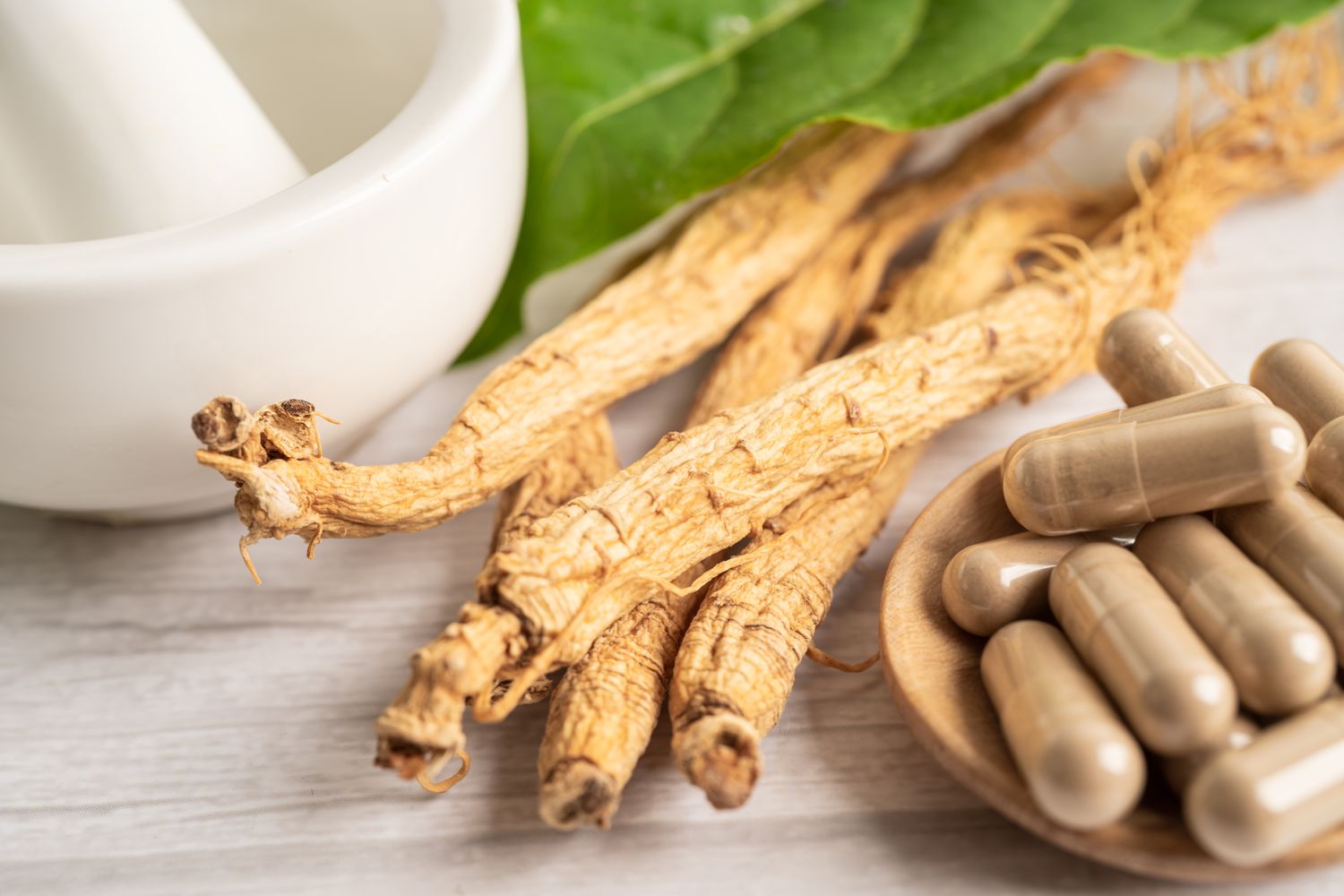
Ashwagandha has seen a massive surge in popularity, and for good reason. As the most researched among the best adaptogens for cortisol management and stress resilience, it acts directly on the brain-adrenal connection. I specifically look for standardized extracts like KSM-66 or Shoden because they guarantee a specific percentage of withanolides, which are the active compounds responsible for the herb's effects.
Clinical research shows that ashwagandha helps lower systemic cortisol, the hormone that keeps us feeling wired and tired. For someone experiencing chronic burnout, a daily dose of 300mg to 600mg can significantly dampen the overactive stress response. It doesn't just mask the feeling of stress; it helps rebuild the body's baseline emotional resilience.
Clinical Standardization: Ashwagandha
- Standardized for: Withanolides
- Recommended Dose: 300–600mg
- Key Benefit: Systemic Cortisol regulation and improved sleep quality.
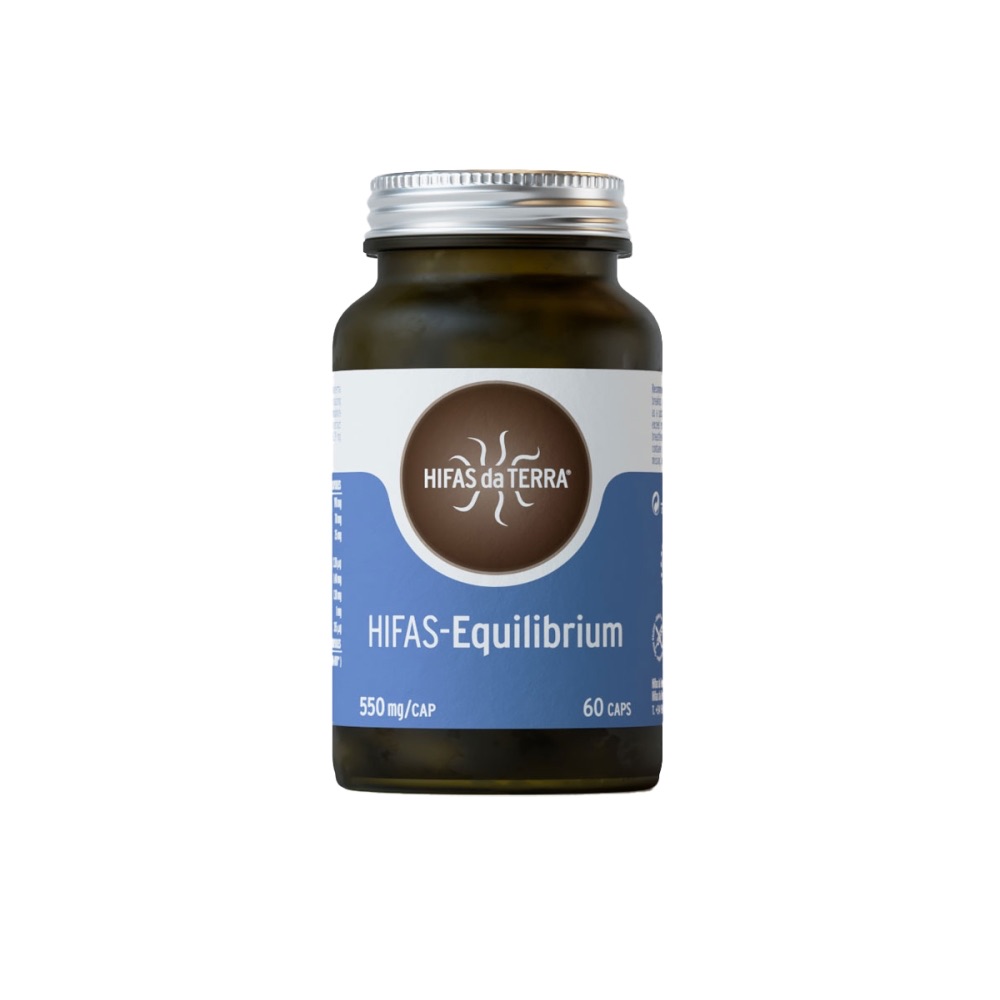
Adaptogens like ashwagandha, reishi, and cordyceps work by modulating the physiological response to stressors, improving long-term resilience and emotional stability. These medicinal mushrooms and herbs support adrenal health and help maintain balanced cortisol levels, preventing the exhaustion associated with chronic burnout. By stabilizing the body's stress response system, adaptogens allow for better focus and energy management during demanding periods.
2. Magnesium: Restoring Your Nervous System
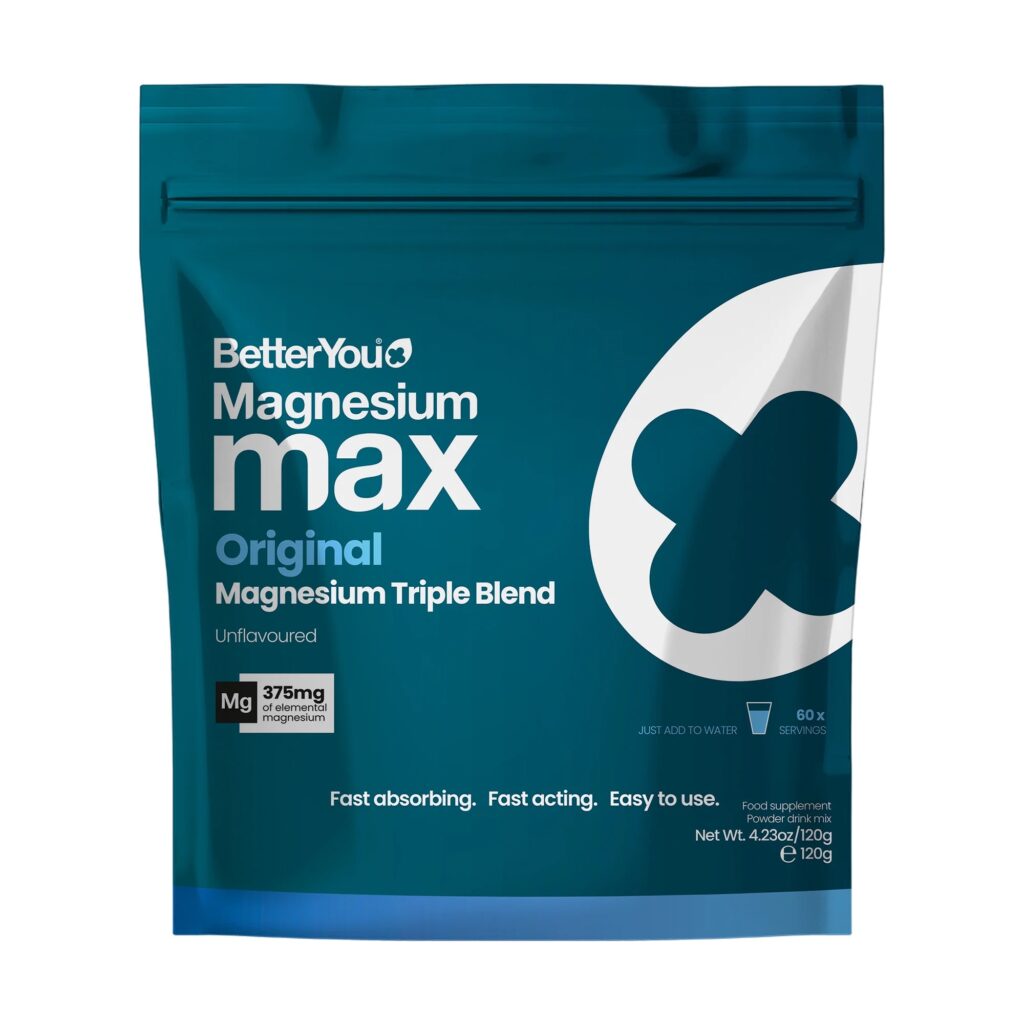
Magnesium is perhaps the most critical mineral for anyone dealing with high pressure. It is involved in over 300 biochemical reactions, yet it is the first nutrient the body depletes when under strain. Without adequate magnesium for nervous system support, your muscles stay tense, and your brain finds it difficult to shut off at night.
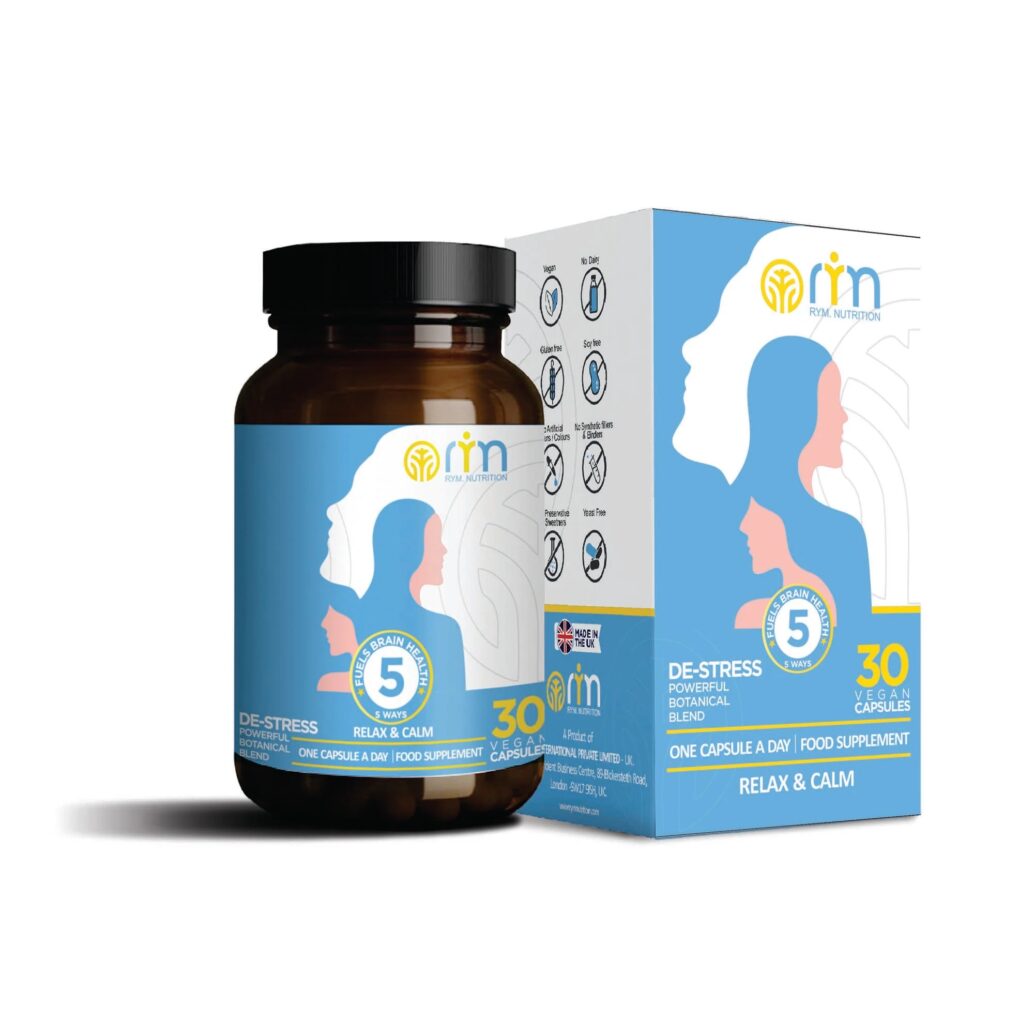
Not all forms of this mineral are created equal. When selecting stress relief supplements, I always prioritize bioavailability. Magnesium glycinate is the gold standard for relaxation because the magnesium is bound to glycine, an amino acid that has its own calming effect on the brain.
| Magnesium Form | Bioavailability | Best Use Case |
|---|---|---|
| Magnesium Glycinate | High | Calming the mind, improving sleep, and muscle relaxation. |
| Magnesium Citrate | Moderate | Supporting digestion and general mineral replenishment. |
| Magnesium Malate | Moderate | Boosting cellular energy; better for daytime use. |
The data supporting this mineral is robust. A 2017 systematic review of 18 studies concluded that magnesium supplementation can have a positive impact on subjective anxiety. In specific trials, taking 400 mg daily for 90 days significantly decreased stress index scores in participants. Magnesium is a critical mineral for the nervous system that often becomes depleted during high-stress periods; forms like magnesium glycinate and citrate are highly bioavailable for calming the mind and improving sleep quality.
3. L-Theanine: Focus and Calm for Busy Professionals
If you are a professional who needs to stay sharp but wants to lose the "jittery" feeling of caffeine, L-theanine is your best ally. This amino acid, found naturally in green tea, is one of the premier natural stress relief supplements for focus and productivity.
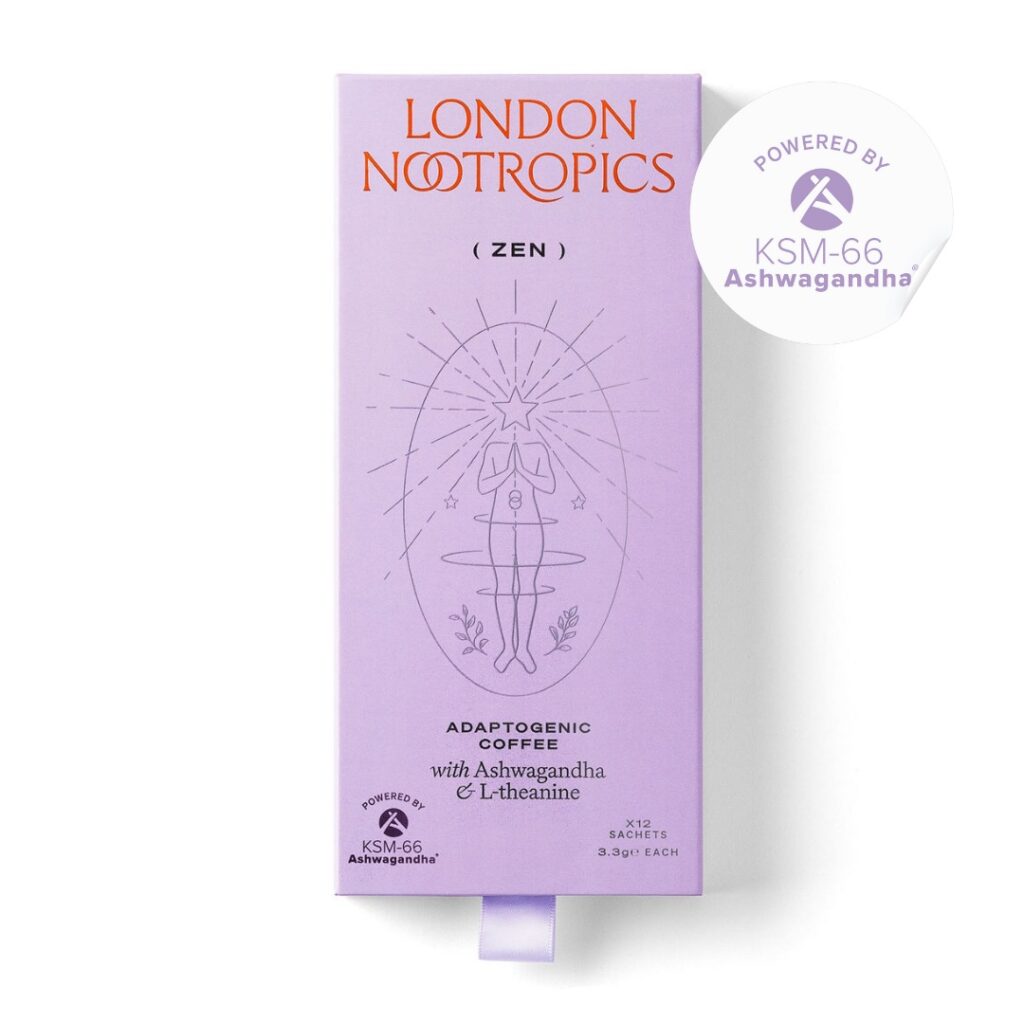
What makes L-theanine unique is its ability to promote relaxed wakefulness. Unlike some sedating herbs, it doesn't make you sleepy. Instead, it supports GABA support in the brain and influences brainwave patterns. Clinical research indicates that a single 200 mg dose of L-theanine significantly increases alpha brainwave activity. This is a neurological marker associated with being "in the zone"—calm, attentive, and creative.
Amino acids like L-theanine, often found in specialized nootropic coffee or supplements, promote relaxation and cognitive clarity by supporting GABA levels in the brain. Together, these nutrients help reduce physical tension and mitigate the jittery effects of stress-related hormones.
4. Rhodiola Rosea & Saffron: Fighting Burnout and Emotional Fatigue
For those whose stress feels more like emotional heaviness or total lack of motivation, I often recommend a combination of Rhodiola and Saffron. These are tried and tested supplements for sleep and anxiety relief that focus heavily on mood stabilization.
Rhodiola Rosea is an arctic herb known for its ability to help the body handle physical and mental fatigue. It is particularly helpful during periods of intense work or school. When shopping, check the label for 3% rosavins and 1% salidrosides; this is the ratio used in the most successful clinical trials.
Saffron, often called the "sunshine spice," has emerged as a powerhouse for emotional resilience. It works similarly to some traditional mood-balancing tools but with a much higher safety profile. A standardized dose of 28mg of Affron (a specific saffron extract) has been shown in studies to improve mood and reduce feelings of tension.
5. Modern Interventions: Oral Sprays and Medicinal Mushrooms
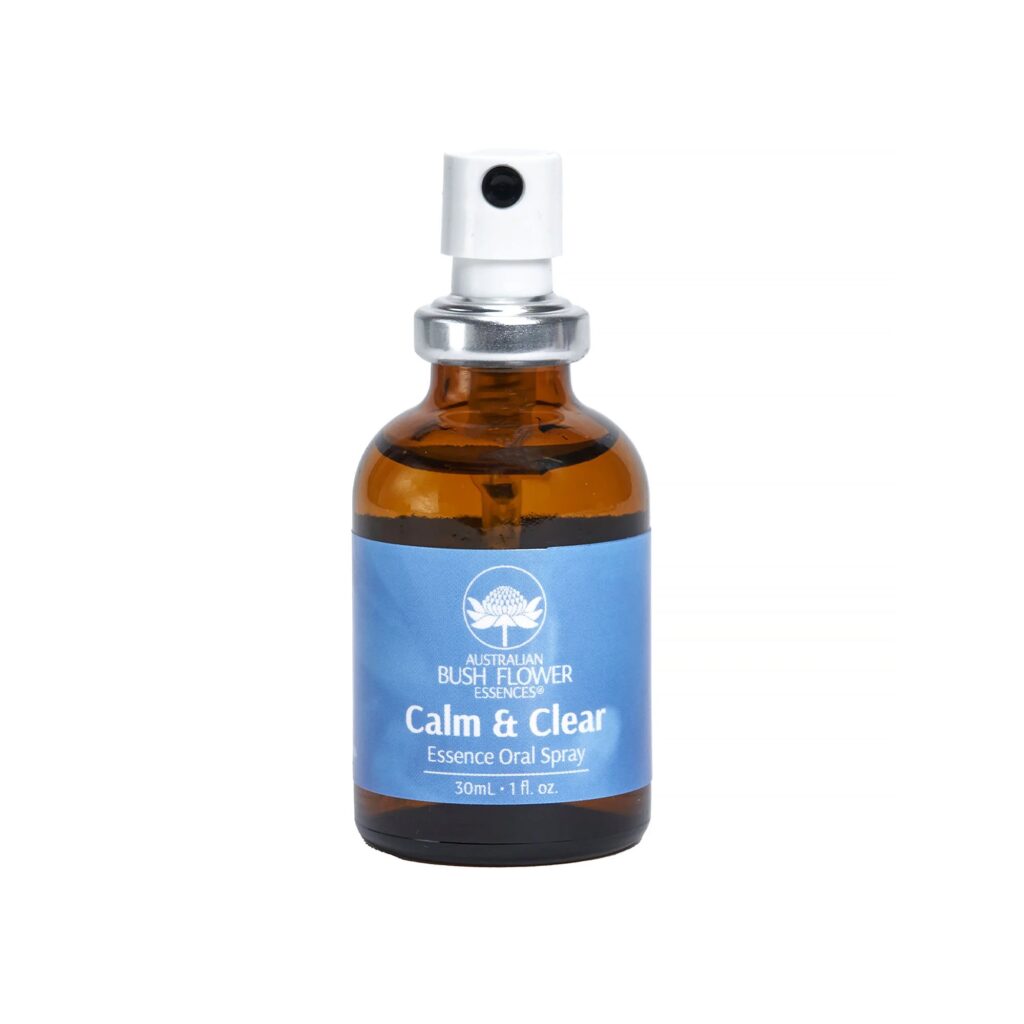
We are seeing a shift in how stress relief supplements are delivered. While capsules are traditional, oral sprays are gaining traction for situational stress—like right before a big presentation. Because the ingredients are absorbed through the lining of the mouth, they offer high bioavailability and reach the system faster than a pill that must pass through the digestive tract.
In addition to fast-acting sprays, medicinal mushrooms like Reishi are becoming staples in the best natural supplements for stress and adrenal fatigue. Reishi is often called the "mushroom of immortality" in traditional Chinese medicine and is used to ground the spirit and promote deep, restorative sleep. Meanwhile, Cordyceps can help with the physical energy needed to recover from long-term strain. These fungi provide the clinically studied ingredients for reducing emotional stress by supporting the body's natural defenses against oxidative damage.
FAQ
What are the most effective supplements for stress relief?
The most effective options are those that target both the physical and mental aspects of the stress response. Ashwagandha is excellent for lowering cortisol, while magnesium helps relax the nervous system and muscles. For mental clarity under pressure, L-theanine is widely considered a top choice.
Do stress relief supplements actually work?
Yes, when they contain standardized extracts and are taken at clinical dosages. Modern research, including double-blind, placebo-controlled trials, consistently shows that ingredients like ashwagandha, magnesium, and L-theanine can significantly lower perceived stress and improve biological markers like cortisol levels.
Which vitamins help with stress and anxiety?
B-complex vitamins are essential, particularly B6, B9 (folate), and B12, as they help the brain produce neurotransmitters like serotonin and dopamine. Vitamin D also plays a crucial role in mood regulation, and deficiencies are often linked to higher levels of anxiety.
What is the fastest acting supplement for stress?
L-theanine and certain herbal oral sprays (containing valerian or passionflower) are generally the fastest acting, often providing a sense of calm within 30 to 60 minutes. These are best for acute, situational stress rather than chronic conditions.
What is the best supplement for lowering cortisol levels?
Ashwagandha is the most clinically validated supplement for direct cortisol reduction. Studies have shown that high-concentration full-spectrum extracts can reduce serum cortisol levels by up to 30% over a 60-day period.
Choosing Your Calm: A Daily Supplement Routine
Integrating these tools into your life requires a bit of strategy. I always tell my readers that a supplement is meant to supplement a healthy lifestyle, not replace it. To get the most out of these natural remedies for anxiety and stress, timing is everything.
- Morning: Take L-theanine with your morning tea or coffee to smooth out the caffeine curve and enhance focus.
- Mid-Day: If you have a high-stress job, a dose of Rhodiola can help maintain energy and cognitive function through the afternoon slump.
- Evening: Use magnesium glycinate and ashwagandha about an hour before bed. This helps signal to your brain that it is time to shift into the parasympathetic nervous system state.
When choosing your products, look for label transparency. A high-quality brand will list the exact bioactive percentages and will often have third-party testing results available. By combining these potent botanical extracts with good sleep hygiene and a balanced routine, you can build a foundation of emotional resilience that lasts.