Quick Facts
- Safety Winner: Cool mist humidifiers are the gold standard for homes with children or pets.
- Hygiene Winner: Vaporizers naturally kill most bacteria by boiling water into steam.
- Ideal Humidity: The EPA recommends keeping indoor levels between 30% and 50% for optimal sleep.
- Maintenance: Both devices require deep cleaning every three days to prevent mold.
- Congestion Relief: Vaporizers allow for the use of medicinal inhalants to clear airways.
- Noise Level: Ultrasonic models are the quietest option for light sleepers.
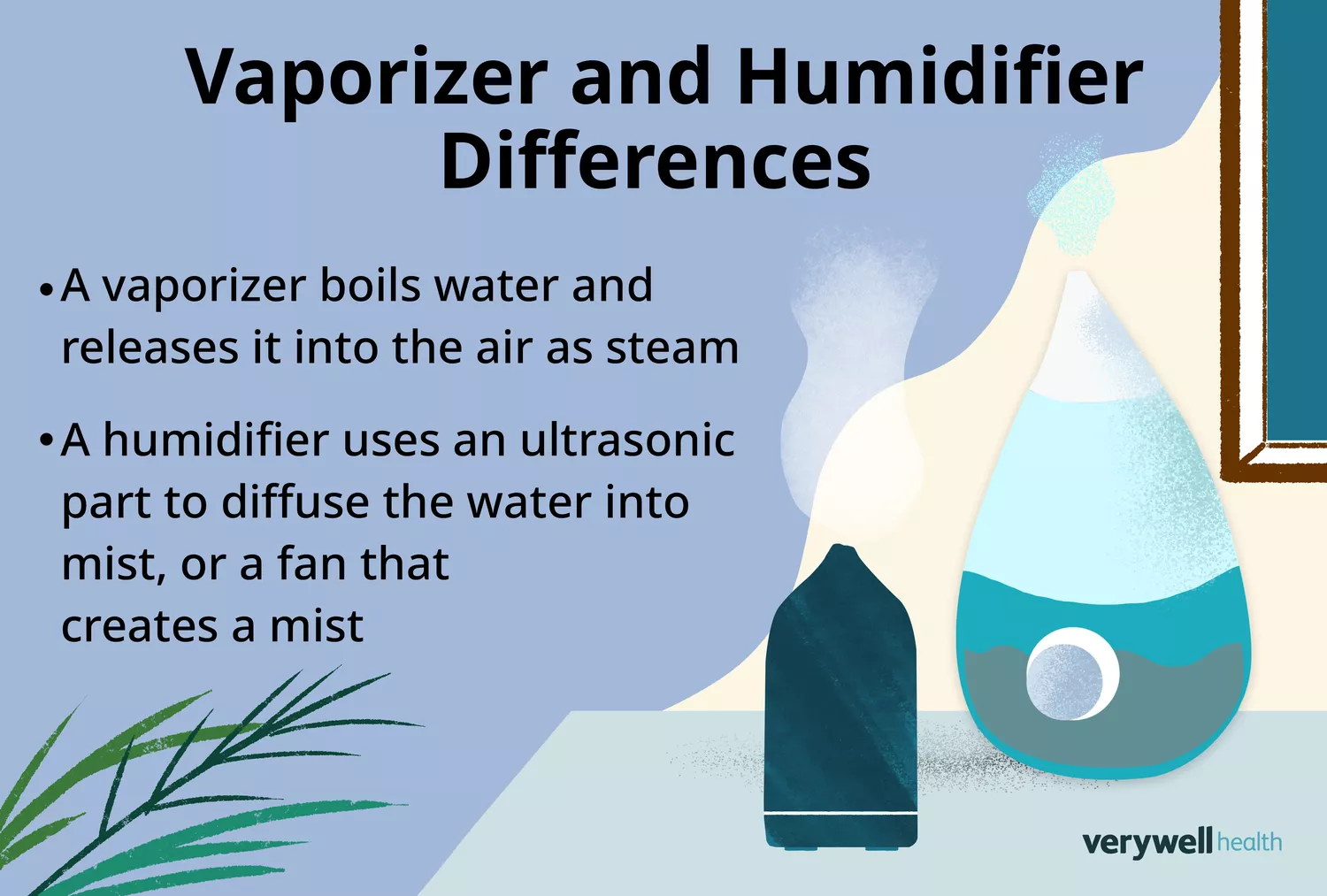
The primary difference between a humidifier and a vaporizer is the method of moisture delivery. Humidifiers use ultrasonic vibrations or fans to disperse a cool mist into the air, making them a safer choice for households with children and pets. Vaporizers use a heating element to boil water and release warm steam, which can help kill bacteria in the tank but creates a potential burn risk if the unit is tipped over.
Choosing the right device can transform your sleep quality. While both address dry air, the choice of humidifier vs vaporizer depends on safety needs and room size. Both humidifiers and vaporizers effectively relieve dry air symptoms like congestion, dry throat, and irritated skin to improve sleep quality. Vaporizers are often preferred for cold-weather use as the warm steam can soothe respiratory passages, while cool-mist humidifiers are better suited for larger rooms and year-round use. For light sleepers, ultrasonic humidifiers provide the quietest performance without the hum of a mechanical fan.
Mechanism: How Humidifiers and Vaporizers Work
To understand which device belongs on your nightstand, we have to look under the hood. Humidifiers generally fall into two categories: evaporative and ultrasonic. An evaporative model uses a fan to blow air through a wet wick filters system. As the air passes through the filter, it picks up moisture and exits as a cool mist. This is a self-regulating process; as the room becomes more humid, it becomes harder for the water to evaporate from the filter.
Ultrasonic models take a different approach. They use a small metal diaphragm vibrating at an ultrasonic frequency to create microscopic water droplets. This creates a visible fog that is extremely quiet. However, because these units do not boil water, they can disperse mineral deposits into the air. This often results in a fine white dust settling on furniture if you have hard water. Using a demineralization cartridges or switching to distilled water is the best way to prevent this.
Vaporizers, on the other hand, are essentially high-tech kettles. They use a heating element to boil water, which is then released into the room as warm steam. Because the water reaches boiling temperatures, many microorganisms and bacteria are killed before the moisture ever reaches your lungs. This makes the vaporizer a more hygienic choice out of the box, though it lacks the sophisticated fans or vibrating plates found in humidifiers. When considering an ultrasonic vs evaporative humidifier for large master bedrooms, the evaporative models often win out because their fans can push moisture across a larger square footage more effectively than a vaporizer's rising steam.
Sleep Benefits: Relieving Congestion and Dryness
The environment in which you sleep plays a massive role in how restored you feel the next morning. When the air is too dry—common in winter or in air-conditioned rooms—your body reacts. Your nasal passages can dry out and crack, your throat feels scratchy, and your skin may become itchy and irritated. For many, these dry air symptoms lead to mouth breathing, which significantly increases snoring.
Adding moisture back into the air provides several benefits of humidifier for sleeping. Maintaining the right indoor air quality keeps the mucous membranes in your nose and throat lubricated. This lubrication helps your respiratory system trap and expel allergens and viruses more efficiently. If you struggle with chronic sinus issues, achieving sinusitis relief through consistent humidity can be a game-changer.
To get the most out of your device, I always recommend using a hygrometer. This is a simple, inexpensive tool that measures the relative humidity levels in your bedroom. The Environmental Protection Agency (EPA) recommends maintaining indoor 30% and 50% to optimize sleep quality and minimize the growth of allergens like mold and dust mites. If the humidity climbs above 50%, you risk turning your bedroom into a breeding ground for dust mites; if it drops below 30%, you will likely wake up with a parched throat.
When it comes to choosing humidifier vs vaporizer for nighttime congestion relief, personal preference often dictates the winner. Many people find that warm steam inhalation from a vaporizer feels more comforting when they have a cold, as it helps loosen mucus. However, sleeping with a humidifier vs vaporizer for snoring relief often favors the humidifier, as it can be run safely all night long without making the room feel overly stuffy or hot.
Safety Alert: Choosing for Babies and Children
While both devices offer relief, the safety profile changes drastically when a nursery is involved. The primary concern with vaporizers is the heating element and the boiling water inside. If a curious toddler or a pet knocks over a running vaporizer, the results can be devastating.
Safety Warning: The Mayo Clinic advises that while both humidifiers and vaporizers are equally effective at adding moisture to the air, steam vaporizers should be avoided in children's rooms due to the risk of severe burns if the device is knocked over.
The data backs this up. Data from a 10-year study on pediatric injuries showed that 57% of vaporizer-related emergency department visits were due to burns caused by hot steam or contact with the heating unit. Because of this scalding risk, pediatricians and the American Academy of Pediatrics generally recommend a cool mist humidifier as the safest choice for a child's bedroom.
If you are looking for the best humidifier or vaporizer for baby sleep safety, stick to a cool-mist ultrasonic or evaporative model. Even when using a safe cool-mist unit, remember to place it on a stable, elevated surface at least 3 to 4 feet away from the crib to ensure the mist has time to dissipate into the air before reaching the baby's bedding.
Maintenance: Preventing Mold and Bacteria Growth
The biggest downside to any moisture-producing device is the potential for mold and bacteria. Because humidifiers don't boil water, they can become a reservoir for pathogens if not cleaned properly. This is especially true for models with wick filters, which can trap minerals and organic matter.
For preventing bacteria growth in bedroom humidifiers and vaporizers, you must be disciplined with your cleaning maintenance. I recommend a deep clean every three days using a simple vinegar or bleach solution.
Weekly Cleaning Protocol:
- Empty any remaining water from the tank daily and wipe it dry.
- Every three days, fill the tank with a solution of 1 part bleach to 9 parts water.
- Let the solution sit for 20 minutes, then rinse thoroughly until the smell of bleach is gone.
- Use a soft brush to scrub away any scale or mineral deposits from the base and the transducer (the vibrating plate in ultrasonic models).
- If your model uses filters, replace them according to the manufacturer's schedule—usually every 30 to 60 days.
Using distilled water is one of the most effective ways to reduce maintenance needs and eliminate the release of white dust. While vaporizers are technically more "sterile" because they boil the water, they still require descaling. Over time, calcium and other minerals will build up on the heating element, reducing efficiency and eventually causing the unit to fail.
Climate Match: Choosing Based on Room and Environment
Your choice between a humidifier vs vaporizer should also be influenced by your local climate and the specific room you are treating.
| Feature | Cool Mist Humidifier | Steam Vaporizer |
|---|---|---|
| Best For | Large rooms, nurseries, year-round use | Small rooms, cold/flu relief, winter use |
| Safety | High (no heating element) | Lower (scalding risk) |
| Noise | Quiet (ultrasonic) or Moderate (fan) | Quiet (hissing steam) |
| Health | Skin & sinus hydration | Congestion & steam inhalation |
| Energy | Low energy consumption | Higher (due to heating element) |
In the depths of winter, a warm mist humidifier or vaporizer can make a chilly bedroom feel slightly cozier. The warm mist vs cool mist for dry winter air in bedrooms debate often comes down to comfort; warm steam can help slightly raise the ambient temperature of a small room. However, if you are looking for an energy efficient humidifier vs vaporizer for overnight use, the cool-mist models are the clear winners. They use significantly less electricity because they don't have to keep a gallon of water at a constant boil.
For large master bedrooms, an evaporative humidifier is often the most effective. These units use a fan to distribute moisture across a wide area, whereas the steam from a vaporizer tends to stay concentrated in the immediate vicinity of the device. If you are a light sleeper, look for an ultrasonic humidifier, which operates at a decibel level that won't disturb your rest.
FAQ
What is the main difference between a humidifier and a vaporizer?
The primary distinction lies in how they add moisture to the air. A humidifier uses mechanical means—either a high-speed fan or ultrasonic vibrations—to create a cool mist from room-temperature water. A vaporizer uses an internal heating element to boil the water, releasing it into the room as warm steam.
Which is better for a cough and cold: humidifier or vaporizer?
Both are effective at relieving congestion, but many people prefer a vaporizer for acute illness. The warm steam can feel more soothing on the throat and lungs. Additionally, many vaporizers feature a small medicine cup where you can add inhalants like menthol or eucalyptus to help open up nasal passages.
Is a humidifier or a vaporizer safer for a baby's room?
A cool-mist humidifier is much safer for a baby's room. Because vaporizers boil water, they pose a significant burn risk if the unit is knocked over or if a child gets too close to the steam outlet. To prevent accidental scalding, pediatricians almost universally recommend avoiding vaporizers in children's bedrooms.
Is a warm mist humidifier the same as a vaporizer?
They are very similar, but not identical. A vaporizer specifically boils water to create steam. Some "warm mist" humidifiers work similarly, while others simply warm the water slightly before dispersing it via ultrasonic or evaporative means. In common retail terminology, however, the terms are often used interchangeably to describe any unit that emits warm moisture.
Which is easier to clean: a humidifier or a vaporizer?
Vaporizers are often slightly easier to maintain because the boiling process kills many of the bacteria that would otherwise grow in the tank. However, vaporizers are prone to mineral "crust" buildup on the heating element. Humidifiers require more frequent scrubbing to prevent mold growth, but they don't usually deal with the hardened mineral scales that come from boiling hard water.
Choosing Your Path to Better Sleep
Improving your sleep quality often starts with the air you breathe. If you have children or pets, a cool-mist ultrasonic humidifier is the most versatile and safest long-term investment. It will keep your skin hydrated and your sinuses clear without any risk of accidents.
However, if you are an adult living alone or in a household without small children, and you frequently suffer from winter colds or heavy congestion, the hygienic benefits of a vaporizer might be more appealing. Whichever you choose, remember that consistency is key. Set up your device with distilled water, keep it clean, and use a hygrometer to ensure your room stays within that "sweet spot" of 30% to 50% humidity.
By taking control of your bedroom environment, you can say goodbye to the dry-throat wake-up calls and hello to a more restful, uninterrupted night of sleep.