Quick Facts
- Primary Status: Recognized globally as the first-line, non-invasive obstructive sleep apnea treatment.
- Mortality Data: Consistent use of CPAP therapy reduces cardiovascular-related death by 55%.
- Mechanism of Action: Maintains airway patency using a continuous stream of pressurized air, acting as a pneumatic splint.
- Compliance Threshold: A minimum of 4-5 hours of use per night is required for significant systemic health outcomes.
- Mental Clarity: Effectively resolves excessive daytime sleepiness in approximately 75% of consistent users.
- Long-term Survival: Patients who remain adherent to treatment are 39% more likely to survive over a three-year period.
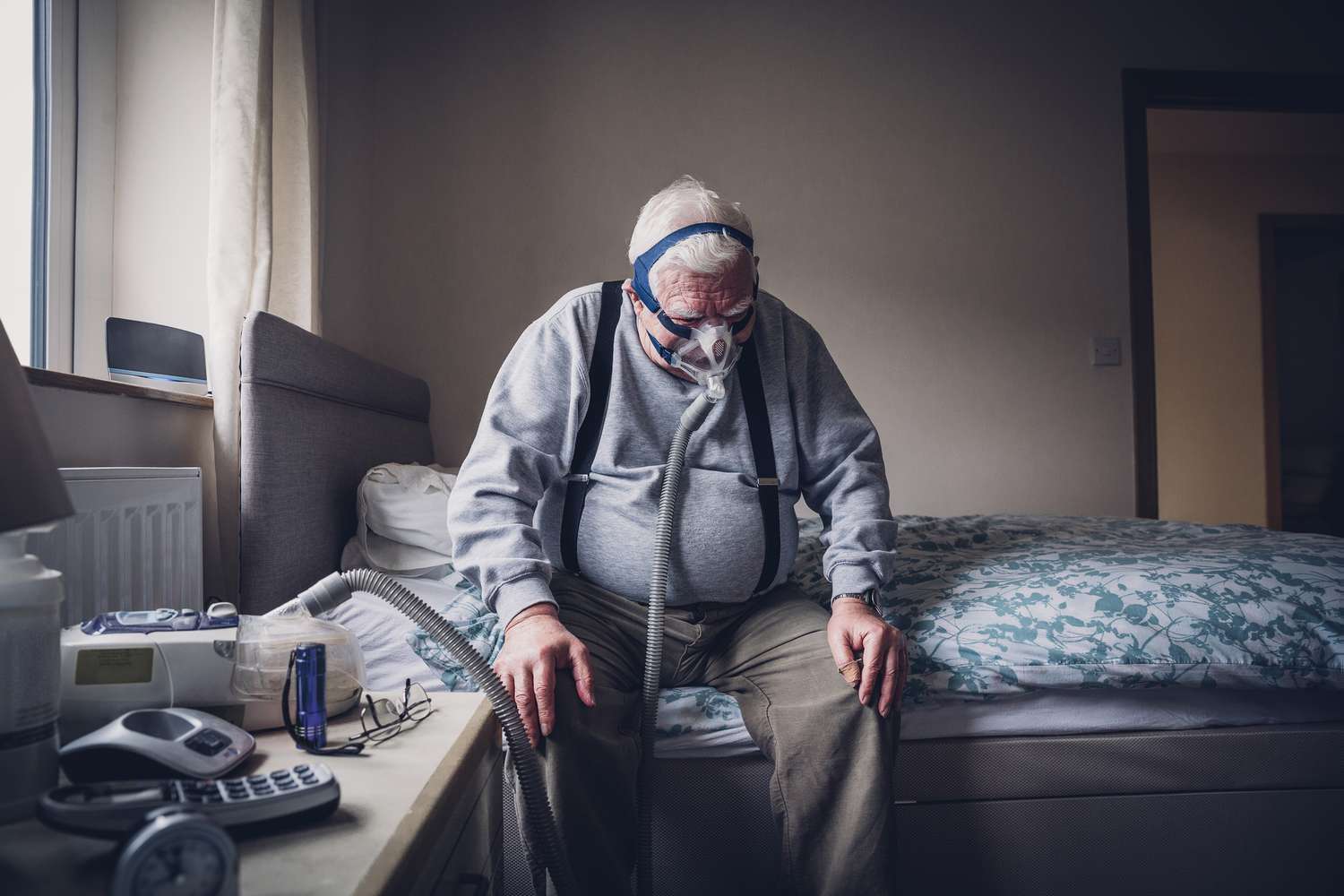
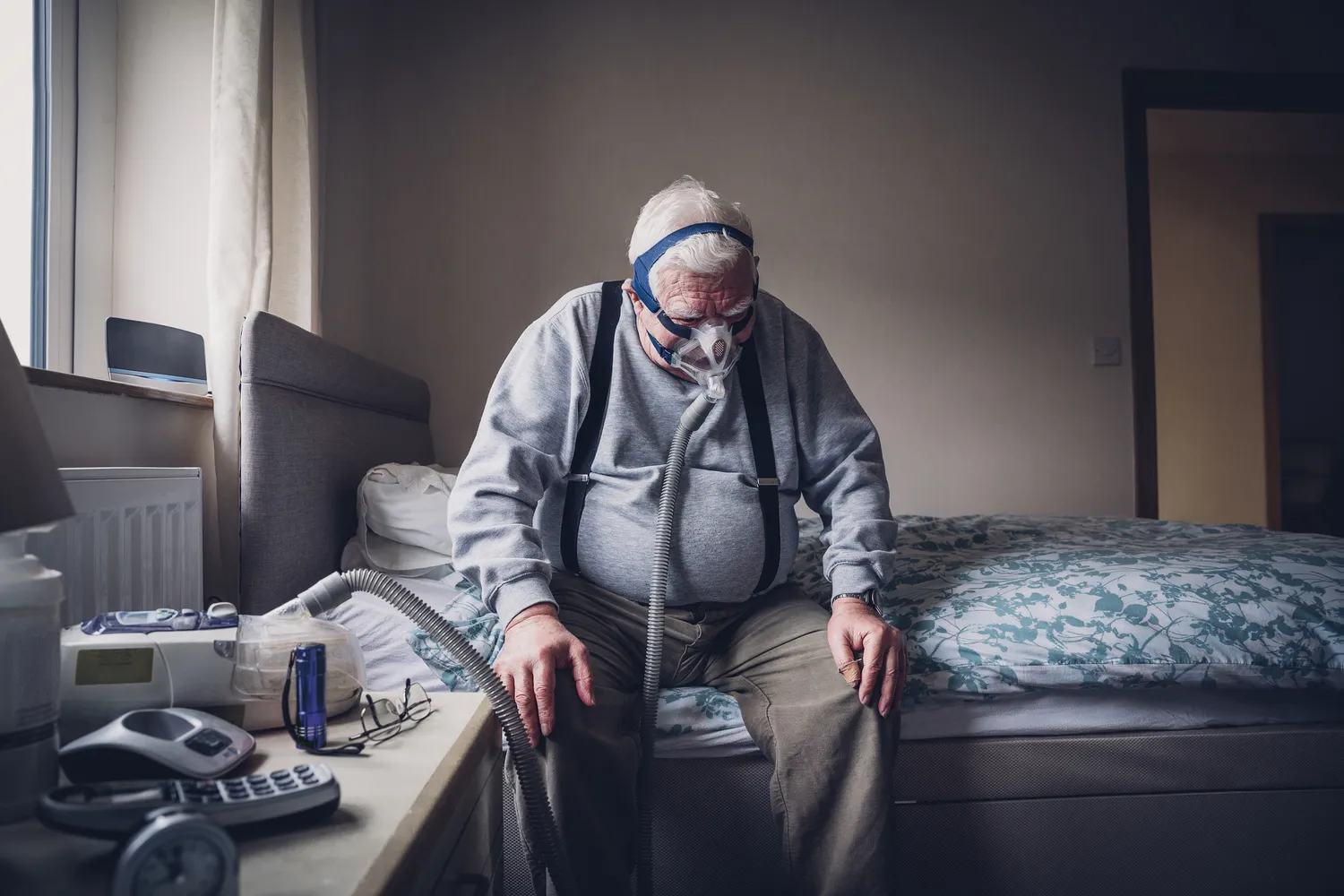
CPAP therapy is considered the gold standard for obstructive sleep apnea because it provides a non-invasive, highly effective method to maintain an open airway during sleep. By delivering a continuous stream of pressurized air through a mask, it prevents the throat tissues from collapsing, which reduces the Apnea-Hypopnea Index and prevents oxygen desaturation.
Why CPAP Therapy is the Medical Gold Standard
When we talk about sleep medicine, the term gold standard isn't handed out lightly. It implies a treatment that has been rigorously tested, proven effective across diverse populations, and remains the benchmark against which all other therapies are measured. For those diagnosed with obstructive sleep apnea, CPAP therapy — or Continuous Positive Airway Pressure — earns this title by addressing the root physiological cause of the disorder with remarkable precision.
To understand why it works so well, we first have to look at what happens during an apnea event. As you fall into a deep sleep, the muscles in the back of your throat relax. For millions of people, this relaxation leads to a total or partial collapse of the airway. This is where the concept of the pneumatic splint comes in. Think of the airway like a soft, collapsible straw. CPAP therapy provides a steady, gentle flow of air that keeps that straw open. It doesn't breathe for you; it simply provides enough pressure to ensure your own breathing remains unobstructed.
The journey to this treatment usually begins with Polysomnography, a comprehensive sleep study that tracks your brain waves, oxygen levels, and heart rate. From this data, clinicians determine your Apnea-Hypopnea Index, which is the number of times your breathing stops or becomes shallow per hour. By effectively neutralizing these events, CPAP therapy addresses the core issue of sleep fragmentation. Instead of your brain being jolted awake hundreds of times a night to restart your breathing, you are finally allowed to progress through the essential stages of REM and deep sleep.
The Systemic Health Benefits of Consistent CPAP Use
The benefits of treating sleep apnea extend far beyond simply feeling less tired in the morning. When your breathing stops, your heart works overtime, struggling against a closed airway while dealing with a sudden drop in oxygen. This repeated stress is a recipe for long-term cardiovascular damage. Consistent use of a CPAP machine acts as a powerful shield for your heart and vascular system.
Research highlights just how protective this therapy can be. A major meta-analysis involving over one million patients found that consistent CPAP therapy reduces the risk of all-cause mortality by 37% and cardiovascular-related death by 55% in individuals with obstructive sleep apnea. This is a staggering figure that underscores why physicians are so adamant about treatment adherence. Furthermore, for those who have already experienced cardiac events, using the therapy for at least four hours per night is associated with a 31% reduction in the risk of experiencing a recurring heart attack or stroke.
Beyond the heart, we have to consider the brain. Chronic sleep apnea is often described as a nightly form of cognitive "fog." Many patients describe the first few weeks of successful CPAP therapy as being similar to having a perfect cup of coffee that never wears off. This improvement in cognitive function and executive decision-making occurs because the brain is finally receiving consistent oxygen and consolidated rest.
The results are also visible in nationwide data. For instance, a study of over 176,000 patients in France showed that those who stayed with their treatment were 39% more likely to survive over a three-year period compared to those who quit. This isn't just about sleep; it is about extending your life and improving your daytime alertness so you can safely drive, work, and engage with your family.
Pro Tip: If you find yourself waking up with a parched throat, you don't have to suffer. Most modern machines include a Heated Humidifier. Adjusting the moisture level can completely eliminate dry mouth and nasal irritation, making the therapy feel much more natural.
CPAP vs. Surgery: Navigating Treatment Options
When faced with a lifetime of wearing a mask, many patients naturally ask if surgery is a better alternative. While there are several surgical procedures designed to widen the airway — such as removing the tonsils or repositioning the jaw — they are rarely considered the first step for the average adult.
The primary reason CPAP therapy remains the preferred obstructive sleep apnea treatment is its non-invasive nature and its adjustability. Surgery is permanent and often carries a significant recovery period, with no guarantee that the apnea will be fully resolved. Furthermore, surgical success rates are often lower in patients with a higher body mass index, typically those with a BMI over 40.
| Feature | CPAP Therapy | Surgical Alternatives |
|---|---|---|
| Invasiveness | Non-invasive; reversible | Invasive; permanent change |
| Adjustment | Pressure can be tuned remotely | Difficult to "undo" if ineffective |
| Recovery | Immediate; some adaptation time | Weeks of healing and potential pain |
| Success Rate | Near 100% with proper fit/pressure | Varies significantly by patient anatomy |
| Flexibility | Options like Bi-level Positive Airway Pressure | Usually a one-time structural fix |
For patients who struggle with the high pressure of a standard machine, Bi-level Positive Airway Pressure (BiPAP) is an excellent middle ground. Unlike a standard CPAP machine, Bi-level devices provide a lower pressure during exhalation, making it much easier to breathe out. This flexibility allows doctors to customize the experience to the patient's comfort level without the risks associated with an operating room.
Overcoming the Learning Curve: CPAP Adaptation Tips
It is perfectly normal to feel a bit of "mask anxiety" when you first start. Adapting to CPAP therapy is a marathon, not a sprint, and there are several technical features designed to make the transition easier.
One of the most helpful tools is the Ramp Feature. When you first turn the machine on, it can feel like a lot of air. The ramp setting allows the device to start at a very low, barely noticeable pressure while you are falling asleep, gradually increasing to your prescribed level over 20 to 45 minutes. This prevents that "rushed" feeling of air right when you are trying to relax.
Mask choice is the other critical factor in CPAP adaptation tips. If you are a side sleeper, bulky full-face masks might get knocked out of place by your pillow. In these cases, nasal pillows are often the best choice. They are lightweight, have a minimal footprint on the face, and allow for much more movement during the night.
To manage the psychological side of things, like claustrophobia, try wearing the mask during the day while you are awake. Put it on while watching a movie or reading a book. This helps your brain associate the mask with relaxation rather than the "threat" of sleep. By the time you head to bed, the sensation will feel much more familiar.
Finally, take advantage of Compliance Monitoring. Most modern machines sync with an app on your smartphone that shows you how many hours you slept and how many apnea events were prevented. Seeing that "score" improve can be a huge motivator. It provides tangible proof that your effort is paying off in better oxygen saturation and deeper rest.
FAQ
What is CPAP therapy and how does it work?
CPAP stands for Continuous Positive Airway Pressure. The system consists of a small machine that pumps filtered air through a tube and into a mask worn over your nose or mouth. It works by creating a cushion of air in your throat that prevents your airway from collapsing while you sleep, ensuring that your breathing remains steady and uninterrupted throughout the night.
What are the most common side effects of using a CPAP machine?
Many new users experience minor side effects such as a dry nose or throat, skin irritation from the mask strap, or a feeling of being bloated from swallowing air. Most of these can be resolved by using a heated humidifier, finding a better-fitting mask, or utilizing comfort settings like the ramp feature to ease into the pressure.
How long does it take to get used to CPAP therapy?
The timeline for adaptation varies for everyone. Some people feel the benefits after the very first night, while others may take two to four weeks to become fully comfortable sleeping with the mask. Consistency is the most important factor; wearing it every single night, even for just a few hours at first, helps your body adjust much faster.
What happens if you don't use your CPAP machine every night?
Skipping nights allows the symptoms of sleep apnea to return immediately. This leads to increased daytime sleepiness, morning headaches, and puts unnecessary strain on your heart. Over time, inconsistent use prevents you from achieving the long-term health benefits like lower blood pressure and reduced stroke risk.
Can CPAP therapy help with snoring?
Yes, it is extremely effective at eliminating snoring. Snoring is caused by the vibration of tissues in a partially blocked airway. Because the pressurized air keeps that airway fully open and unobstructed, the vibrations stop, which usually results in a much quieter environment for both the patient and their sleep partner.
Taking the Next Step Toward Better Sleep
If you have been struggling with exhaustion, loud snoring, or waking up gasping for air, it is time to take action. CPAP therapy isn't just a machine; it is a gateway to a longer, more vibrant life. While there is a learning curve, the data is clear: the benefits for your heart, your brain, and your overall quality of life are well worth the effort.
Don't navigate this journey alone. Consult a sleep specialist to discuss your diagnostic results and find a mask that fits your lifestyle. Remember, every hour you spend using the machine is an investment in your future health. Adherence is the key to unlocking the gold standard of sleep, and with the right support, you can reclaim the restful nights you deserve.