Quick Facts
- The 1/f Power Law: Unlike white noise, pink noise follows a specific mathematical distribution where energy decreases as frequency increases, mimicking biological and environmental rhythms.
- Cognitive Enhancement: Clinical evidence indicates that precisely timed pink noise pulses can lead to a three-fold improvement in overnight memory recall.
- Insomnia Relief: Research suggests that pink noise can shorten the time needed to fall asleep by 23% while increasing the duration of restorative deep sleep phases by 18%.
- Acoustic Thresholds: To prevent the disruption of REM cycles, experts recommend maintaining a volume level strictly below 50 decibels at the pillow.
- Strategic Distance: Optimal sleep hygiene requires placing sound machines or speakers at least 200 cm (7 feet) from the head to ensure even sound distribution.
- Auditory Fatigue: The balanced spectral density profile of pink noise is less likely to cause irritation or fatigue compared to the high-frequency dominance of white noise.
Pink noise benefits include enhanced slow-wave sleep and improved memory consolidation by synchronizing external acoustic stimulation with internal brainwave activity. Unlike white noise, pink noise follows a 1/f power law where energy decreases as frequency increases, creating a warmer, more natural sound profile that supports deep, restorative rest.
Understanding the Pink Noise Frequency Spectrum
To understand why auditory experts are shifting their recommendations, we must first look at the broadband sound spectrum. In the world of acoustics, colors are used to describe the power spectral density of a sound—essentially, how much energy is contained at different pitches.
White noise is characterized by equal energy across all frequencies that the human ear can detect. While this makes it excellent for masking sudden, sharp sounds like a car horn or a slamming door, it often sounds like harsh static or a persistent hiss. This is because our ears are biologically more sensitive to high frequencies. When high-pitched sounds are played at the same volume as low-pitched ones, the high frequencies dominate our perception, often leading to auditory fatigue over several hours of exposure.
The pink noise frequency spectrum offers a more sophisticated alternative. In this model, the energy level of the sound drops by three decibels per octave as the frequency rises. This inverse relationship is known as the 1/f power law. To the human ear, this creates a spectral density profile that feels remarkably balanced and natural. Instead of the "shh" of static, pink noise sounds like the "whoosh" of steady rainfall, the rustling of leaves in a forest, or the distant hum of a steady wind.
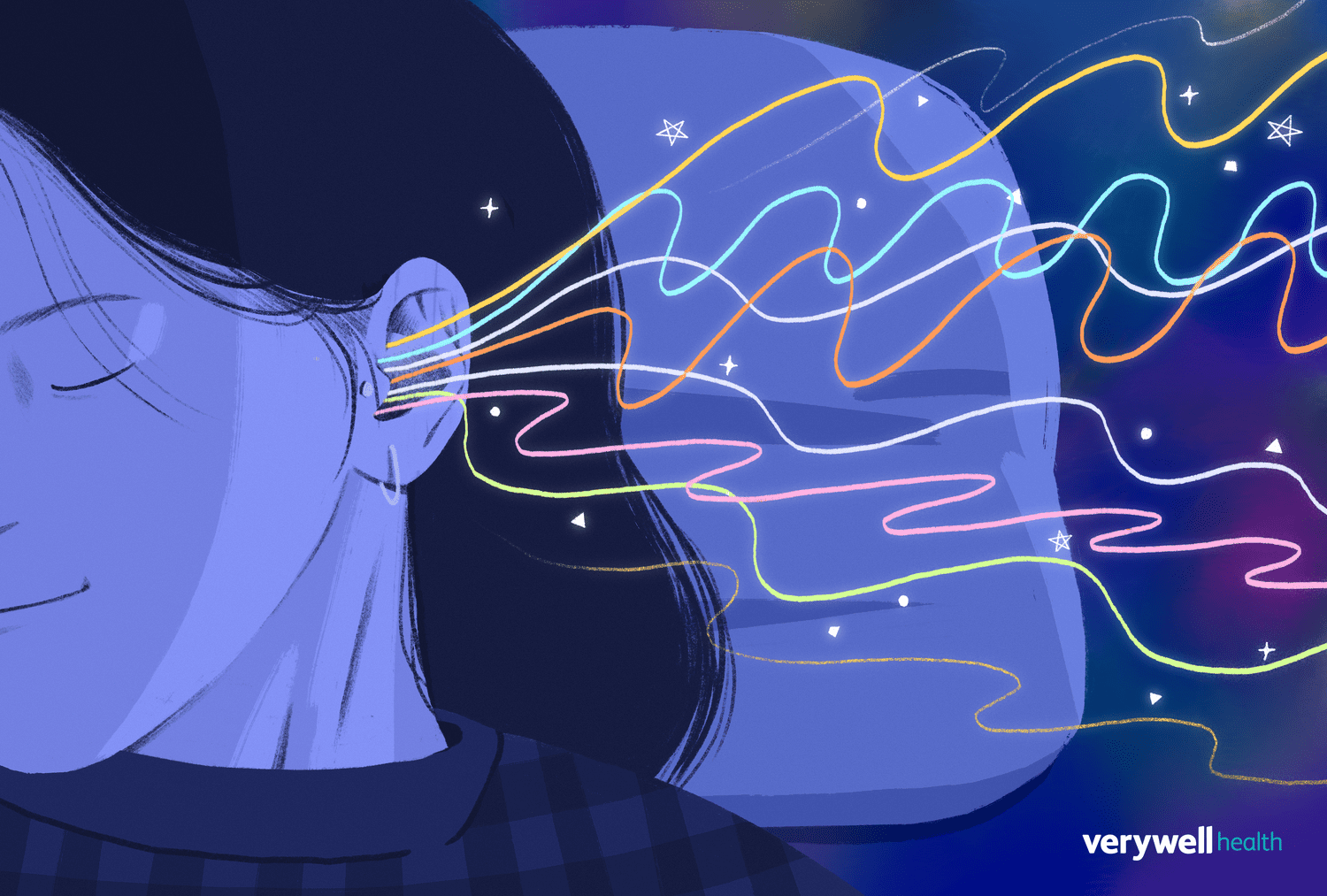
This specific pink noise frequency spectrum explained visually shows a downward slope. This slope is the key to its therapeutic potential. Because the energy is concentrated in the lower frequencies, it more closely mimics the natural rhythms of our own biology, including our heart rate and the neural oscillations of a resting brain.
Pink Noise Benefits for Sleep and Memory Consolidation
The most compelling research into pink noise benefits comes from the field of sleep science, specifically regarding slow-wave sleep. This stage of rest, often referred to as deep sleep, is the period when the body repairs tissues, bolsters the immune system, and—most importantly for the brain—consolidates memories.
In a landmark study conducted by researchers at Northwestern University, older adults who listened to syncopated pink noise pulses during deep sleep performed three times better on memory recall tests the following morning than they did after a night without the sound. The researchers utilized a technique called acoustic stimulation, where the pink noise was not played continuously but in short, timed bursts that synchronized with the participants' slow-wave brain activity.
This brainwave synchronization appears to act as a "metronome" for the brain. By reinforcing the natural slow-wave oscillations, pink noise helps the brain stay in those restorative deep sleep phases for longer periods. For individuals struggling with age-related cognitive decline or general sleep fragmentation, this effect is profound.
Beyond memory, clinical data indicates that pink noise can shorten the time required to fall asleep by approximately 23% and increase the duration of restorative deep sleep by 18% for adults suffering from primary insomnia. These statistics suggest that the benefits of pink noise go beyond mere sound masking; they involve a fundamental shift in how the brain processes auditory information during the night.
Pink Noise for Focus and Concentration
While much of the spotlight is on nocturnal rest, there is a growing body of evidence regarding pink noise for focus and concentration during daylight hours. This application relies on a phenomenon known as stochastic resonance.
Stochastic resonance occurs when a certain amount of background noise actually helps the brain detect weak signals. In a work or study environment, a low level of pink noise can help "smooth out" the auditory landscape. For individuals with ADHD or those prone to sensory overstimulation, the consistent, predictable nature of pink noise provides a calming anchor. By reducing the "signal-to-noise ratio" of environmental distractions, it allows the prefrontal cortex to maintain focus on complex tasks without being interrupted by every minor click or whisper in the room.
The cognitive enhancement provided by pink noise in these settings is often more sustainable than that of white noise. Because white noise contains so much high-frequency energy, it can eventually become a stressor itself, raising cortisol levels over time. Pink noise, with its emphasis on lower frequencies, tends to maintain a state of "relaxed alertness," which is the ideal flow state for productivity.
Pink Noise vs White Noise for Sleep: Which Should You Choose?
Deciding between pink noise vs white noise for sleep depends largely on your specific environment and your physiological goals.
White noise is the heavy hitter of sound masking. If you live on a busy city street where sirens, shouting, and high-pitched brakes are constant disruptions, the equal energy distribution of white noise is superior at "filling in" those gaps. It creates a literal wall of sound that prevents your brain from detecting the sharp spikes in decibels that trigger the startle response.
However, for most people seeking better sleep quality rather than just noise blockage, pink noise is the superior choice. The comparison below highlights the technical and perceptual differences between the most common noise "colors."
| Feature | White Noise | Pink Noise | Brown Noise |
|---|---|---|---|
| Spectral Density | Equal energy across all frequencies | Energy decreases as frequency increases (1/f) | Energy decreases sharply (1/f²) |
| Acoustic Texture | Hissing, static, high-pitched | Steady rain, wind, rustling leaves | Deep rumble, thunder, heavy surf |
| Primary Benefit | Masking sharp environmental sounds | Deep sleep, memory consolidation | Extreme relaxation, tinnitus relief |
| Long-term Comfort | Potential for auditory fatigue | High; perceived as natural and balanced | High; very soothing for bass lovers |
When considering pink noise vs brown noise for relaxation, it is worth noting that brown noise (also known as red noise) goes even further than pink. It has even more energy in the low-frequency range, sounding like a deep, heavy roar. While brown noise is excellent for those with tinnitus or those who find high pitches physically painful, it lacks the specific clinical evidence for memory consolidation that makes pink noise unique.
Pro-Tip: Auditory Fatigue Reduction If you find yourself waking up with a slight headache or a "clogged" feeling in your ears after using a sound machine, you are likely experiencing auditory fatigue. Switching from white to pink noise can reduce this strain by removing the excessive high-frequency energy that overworks the tiny hair cells in your inner ear.
Practical Guide: Safe Decibel Levels and Setup
Even the most beneficial sound can become a health risk if played too loudly or too close to the ear. Effective sleep hygiene involves more than just picking the right sound; it requires careful calibration of your environment.
One of the most critical safety thresholds is the 50 dB limit. A 2026 study from the Perelman School of Medicine found that continuous broadband noise at 50 dB could reduce REM sleep by nearly 19 minutes. REM (Rapid Eye Movement) sleep is essential for emotional regulation and creative problem-solving. If your pink noise is too loud, you may improve your deep sleep but at the cost of your REM cycles, leaving you feeling emotionally brittle or "foggy" the next day.
To correctly learn how to set up pink noise for better sleep, follow these expert-backed protocols:
- Measure the Volume: Use a decibel meter app on your smartphone. Place the phone exactly where your head rests on the pillow. The reading should be between 30 and 45 decibels. Anything above 50 decibels is entering the danger zone for REM disruption.
- The 7-Foot Rule: Ensure your sound machine or speaker is at least 200 cm (7 feet) away from your bed. Placing a speaker on a nightstand directly next to your ear can create localized "hot spots" of sound that are much louder than the rest of the room.
- Avoid Continuous High Volume: If you use pink noise for focus and concentration during the day, try to keep the volume at a level where you can still comfortably hold a conversation. The goal is a gentle background presence, not an immersive wall.
- Use High-Quality Drivers: Small, cheap speakers often struggle to reproduce the lower frequencies of the pink noise frequency spectrum. This leads to distortion or an accidental "thinning" of the sound that makes it more like white noise. Invest in a dedicated sound machine or a high-quality Bluetooth speaker with good bass response.
FAQ
What is pink noise and how does it work?
Pink noise is a type of broadband sound where the power spectral density decreases as the frequency increases. It works by providing a consistent auditory background that masks environmental distractions while simultaneously synchronizing with the brain's natural slow-wave oscillations during sleep.
Is pink noise better than white noise for sleep?
For most people, yes. While white noise is effective at masking sharp, high-pitched sounds, it can lead to auditory fatigue. Pink noise is often preferred because it sounds more natural and has been clinically shown to improve the quality of deep sleep and memory.
What are the main benefits of listening to pink noise?
The primary pink noise benefits include an 18% increase in restorative deep sleep, a 23% reduction in the time it takes to fall asleep, and significantly improved memory consolidation. It also helps reduce stress by providing a balanced acoustic environment.
Does pink noise help improve memory and focus?
Yes. Research from Northwestern University shows that pink noise can improve memory recall by up to three times. When used during the day, it facilitates focus and concentration through stochastic resonance, helping the brain filter out distractions.
How does pink noise affect deep sleep cycles?
Pink noise affects deep sleep by providing acoustic stimulation that matches the frequency of slow-wave brainwaves. This synchronization helps stabilize and extend the duration of the deep sleep phase, which is vital for physical and cognitive recovery.
Is pink noise safe to listen to every night?
It is safe for nightly use provided you maintain a safe decibel level for pink noise sleep. Experts from the Perelman School of Medicine recommend keeping the volume below 50 decibels to ensure that the sound does not interfere with your REM sleep cycles.
Conclusion
As we move beyond the era of generic white noise, the science of auditory stimulation is becoming increasingly precise. The shift toward pink noise represents a more nuanced understanding of how sound interacts with our neurology. By respecting the 1/f power law and adhering to strict safety protocols regarding volume and distance, we can harness these frequencies not just to block out the world, but to actively enhance our cognitive health. Whether you are looking for a memory boost or a way to finally conquer chronic insomnia, pink noise offers a research-backed path to deeper, more meaningful rest.