Quick Facts
- Market Leader: The ResMed AirSense 11 currently dominates the landscape, offering 22 dB quiet operation and advanced connectivity.
- Top Clinical Choice: Positive Airway Pressure (PAP) devices account for approximately 65% of the therapeutic market due to their proven efficacy.
- Best for Travel: The ResMed AirMini is the gold standard for portability, weighing only 0.29kg and using waterless humidification.
- Key Alternative: Mandibular Advancement Devices (MAD) are the primary non-mechanical option for patients with mild to moderate obstructive sleep apnea.
- Industry Growth: The global sleep apnea devices market was valued at approximately USD 7.3 billion in 2024.
- Diagnosis Gap: Despite advanced tech, 80% of the 30 million cases in the United States remain undiagnosed.
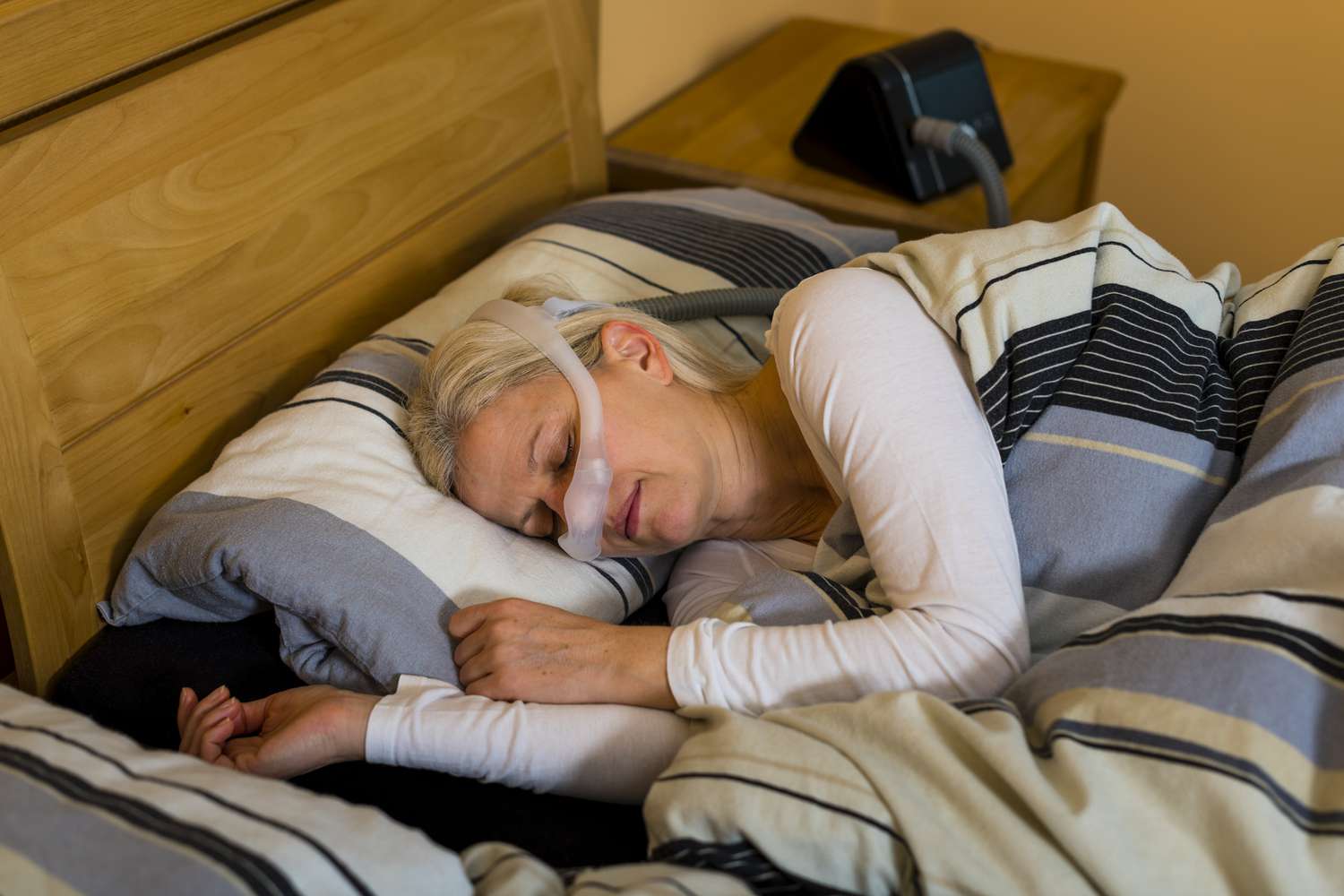
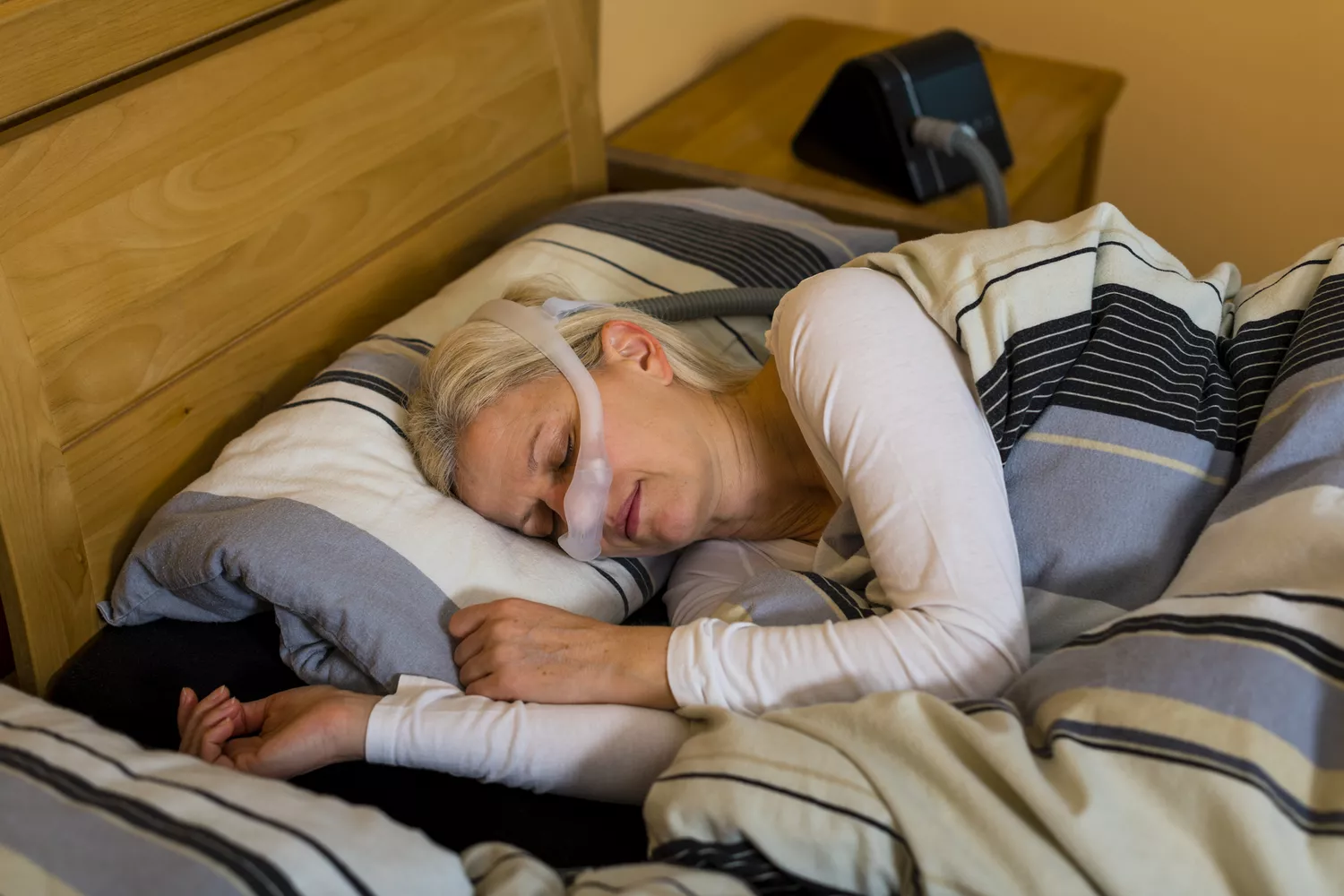
Sleep apnea devices primarily include Continuous Positive Airway Pressure (CPAP) machines, which deliver a steady stream of filtered air to keep airways open during sleep. Other common medical options include Auto-adjusting (APAP) machines that vary pressure based on breathing patterns and Bilevel (BiPAP) machines that provide different pressures for inhalation and exhalation. For mild to moderate cases, oral appliances like mandibular advancement devices may be used to physically reposition the jaw.
The Gold Standard: CPAP and APAP Machine Comparison
When you begin your journey toward better sleep, the first crossroad you will likely encounter is the choice between fixed-pressure and auto-adjusting technology. This sleep apnea machine comparison often highlights the move toward more intuitive hardware. Historically, the manual CPAP was the only option, delivering one constant pressure setting determined during a sleep study. However, the modern era is defined by the APAP, or Auto-CPAP.
When choosing between a manual CPAP and an auto CPAP (APAP), the primary difference lies in pressure delivery. Manual CPAP machines provide a single, fixed pressure level throughout the night as prescribed by a doctor. Auto CPAP machines use integrated sensors to monitor breathing and automatically adjust pressure levels moment-by-moment, which can enhance comfort and therapy compliance for patients whose pressure needs change during different sleep stages or positions. For example, if you roll onto your back, your airway may require more pressure than when you are on your side; an APAP adjusts for this instantly.
The current industry leader, ResMed, holds more than 40% of the total market share. Their flagship model, the AirSense 11, has set a new benchmark for what patients expect from sleep apnea devices. It features integrated humidifiers for dry mouth prevention and sophisticated exhalation relief, which lowers the pressure the moment you breathe out, making the therapy feel much more natural.
| Feature | ResMed AirSense 11 | Löwenstein Prisma SMART | 3B Medical Luna G3 |
|---|---|---|---|
| Device Type | Auto-CPAP (APAP) | Auto-CPAP (APAP) | Auto-CPAP (APAP) |
| Noise Level | 22 dB | 26 dB | 26 dB |
| Weight | 1.13 kg | 1.34 kg | 1.70 kg |
| Humidification | Integrated Heated | Integrated | Integrated Heated |
| Data Tracking | MyAir App (Bluetooth/Cellular) | SD Card/USB | QR Code/App |
Expert Tip: If you struggle with the feeling of "fighting" the machine to breathe out, look for devices with high-quality exhalation relief settings. This feature reduces the air pressure during the expiratory phase, preventing that claustrophobic sensation.
Pros and Cons of PAP Therapy
Pros:
- Highest clinical success rate for reducing the Apnea-Hypopnea Index (AHI).
- Modern machines are nearly silent (22-26 dB), quieter than a whisper.
- Advanced Compliance Monitoring allows doctors to adjust your settings remotely.
Cons:
- Requires wearing a mask (nasal pillows or full face) throughout the night.
- Needs a consistent power source (unless using expensive battery backups).
- Some users experience skin irritation or congestion initially.
Portable Solutions for Travel and Camping
For the millions of adults living with Obstructive Sleep Apnea (OSA), the prospect of travel used to mean lugging a bulky bedside machine through airport security. In 2024, the market for portable cpap machines for travel and camping has expanded significantly, offering medical-grade therapy in palm-sized packages.
The ResMed AirMini remains the most popular choice in this category. Weighing just 0.29kg, it fits easily into a carry-on. Its most innovative feature is the HumidX system, a waterless humidification disc that captures the moisture from your own breath to prevent your throat from drying out. This eliminates the need to carry distilled water, which is a massive win for hikers and international travelers.
Another strong contender is the Transcend Auto. While slightly heavier at 0.63kg, it is prized for its rugged build and external battery options, making it ideal for off-grid camping. These travel units are almost always APAP-style, meaning they can auto-adjust to different altitudes if you are mountain climbing or staying in a high-elevation city.
However, a common question is the difference between cpap and bipap machines for sleep apnea in a portable format. While portable CPAP and APAP units are common, portable BiPAP machines are rarer and more expensive. BiPAP is usually reserved for patients with more complex needs, such as central sleep apnea or those who require very high pressure settings that are difficult to exhale against.
Beyond CPAP: Effective Oral Appliances and EPAP
While PAP therapy is the gold standard, it is not the only path to a restful night. Non-CPAP treatment options for obstructive sleep apnea include oral appliances, positional therapy devices, and surgical interventions. These are often preferred by patients who have failed CPAP therapy or those with mild sleep apnea who want a less intrusive solution.
Oral appliances work by holding the lower jaw forward to prevent airway collapse, while positional therapy uses wearable devices to keep patients from sleeping on their backs. The most common type is the Mandibular Advancement Device (MAD). These look similar to a sports mouthguard but are custom-fitted by a dentist. By physically shifting the jaw and tongue forward, they increase the space at the back of the throat, reducing Airway Obstruction.
For those looking for the best oral appliances for obstructive sleep apnea, it is vital to distinguish between "boil-and-bite" versions found online and custom-made clinical devices. Custom devices have significantly higher success rates and are much more comfortable for long-term wear.
Another emerging non-mechanical category is EPAP Therapy (Expiratory Positive Airway Pressure). Devices like Bongo Rx or OptiPillows use small valves that fit into the nostrils. They allow you to inhale easily but create resistance when you exhale, which builds back-pressure in the airway to keep it open. These are excellent cpap alternatives for sleep apnea for people who travel frequently and have a low AHI.
Comparison of CPAP vs. Oral Appliances:
- CPAP: Highly effective for all OSA severities; requires power and a mask; can be bulky.
- Oral Appliances: Best for mild to moderate OSA; no power required; highly portable; can cause jaw soreness in some users.
High-Tech and Surgical Interventions
For patients who cannot tolerate any external sleep apnea devices, 2024 has seen a surge in "internal" technology. The most prominent is hypoglossal nerve stimulation, often known by the brand name Inspire. This is an implanted system that prevents the tongue from blocking the airway.
During a minor surgical procedure, a small pulse generator is placed under the skin of the chest. It monitors your breathing and, when it detects you are about to take a breath, delivers a mild stimulation to the nerve that controls the tongue. This causes the tongue to move forward, keeping the airway clear. This advanced sleep apnea therapy is typically reserved for patients with a BMI under 35-40 and an AHI between 15 and 65.
Positional therapy is another low-tech but high-impact intervention. Since 936 million adults worldwide are estimated to have some form of sleep apnea, and many only experience it when lying on their backs (supine), simple devices like the NightBalance can help. This is a small sensor worn on a chest strap that vibrates when you roll onto your back, prompting you to shift to your side without fully waking you up.
How to Choose Your Device: A Buyer's Framework
Choosing the right equipment is not just about the most expensive machine; it is about matching the technology to your physiology and lifestyle. Use this three-step framework to navigate your options.
Step 1: Analyze Your Polysomnography Results Your sleep study, or Polysomnography, provides your Apnea-Hypopnea Index (AHI). This number tells you how many times per hour your breathing stops or becomes shallow.
- Mild (AHI 5-15): You may be a candidate for oral appliances or positional therapy.
- Moderate to Severe (AHI 15+): CPAP or APAP is generally the recommended first line of defense.
Step 2: Factor in Your Lifestyle If you spend 100 nights a year in hotels, a travel-specific device like the AirMini is a necessity. If you have a sensitive bed partner, prioritizing a machine with a low decibel rating (under 25 dB) and a mask that diffuses exhaled air quietly is essential. If you often wake up with a dry mouth or nose, you must prioritize sleep apnea devices with integrated humidifiers for dry mouth.
Step 3: The Mask is Everything The machine is only as good as the interface. You will need to choose between:
- Nasal Pillows: Minimal contact, great for those with facial hair or claustrophobia.
- Nasal Masks: Covers the nose, stable for active sleepers.
- Full Face Masks: Necessary if you breathe through your mouth or have frequent nasal congestion.
Most modern machines come with an FDA Clearance, ensuring they meet rigorous safety standards. Don't be afraid to ask your provider for a trial period with different masks to ensure you can maintain long-term compliance.
FAQ
What are the most common devices used to treat sleep apnea?
The most prevalent devices are Positive Airway Pressure machines, including CPAP, APAP, and BiPAP. These machines use a motor to blow a constant stream of air into a mask to keep the airway from collapsing. Beyond these, mandibular advancement devices and tongue retaining devices are frequently used for milder cases of obstructive sleep apnea.
Can sleep apnea be treated without a CPAP machine?
Yes, there are several non-cpap treatment options for mild sleep apnea. These include oral appliances that reposition the jaw, positional therapy devices that prevent back-sleeping, and EPAP valves that fit in the nostrils. In more severe or treatment-resistant cases, surgical options like hypoglossal nerve stimulation may be considered.
How do I choose the right sleep apnea device for my needs?
Choosing the right device starts with your diagnosis. You should consult your sleep specialist to review your AHI levels from your sleep study. From there, consider your lifestyle—such as whether you need a portable machine for travel—and your comfort preferences regarding mask types and humidification levels.
Are oral appliances effective for obstructive sleep apnea?
Oral appliances are highly effective for many patients with mild to moderate obstructive sleep apnea. They are particularly useful for those who cannot tolerate the air pressure or the mask associated with CPAP therapy. However, they are generally less effective than CPAP for severe cases of apnea.
How much do sleep apnea devices usually cost?
The cost of sleep apnea devices varies widely. A standard bedside APAP machine typically ranges from $500 to $1,500, while portable travel units cost between $600 and $900. Oral appliances can cost anywhere from $300 for basic models to over $2,000 for custom-fitted clinical devices. Many of these costs may be partially covered by insurance or Medicare if the medical necessity is documented.