Quick Facts
- Optimal Dosing: Research suggests that muscle protein synthesis is maximized with a single dose of 20 to 25 grams of high-quality protein, with higher amounts providing diminishing returns for muscle growth.
- The 1:4 Rule: When substituting flour in baking, never replace more than 1/4 of the total flour with protein powder to maintain structural integrity.
- Temperature Control: To avoid clumping in hot liquids, always create a slurry with room-temperature water or use a handheld frother before adding the powder to heat.
- Flavor Strategy: Use unflavored isolates for savory applications like soups or hummus to boost nutrient density without adding artificial sweetness.
- Anabolic Threshold: Aim for a daily intake of 1.6 grams per kilogram of body weight to optimize lean mass gains during resistance training.
- Digestion Chemistry: Whey protein is ideal for rapid absorption, while casein provides a thicker texture and slower release, making it superior for baking and overnight satiation.
Protein powder can be integrated into daily meals by mixing it into oatmeal, yogurt, or pancake batter for a quick nutritional boost. Using smart ways to use protein powder beyond the shaker bottle ensures better muscle protein synthesis and dietary compliance.
Hack 1: The Morning Charge (Coffee & Oats)
Most people struggle to hit their protein targets at breakfast, often relying on high-carb cereals that leave them hungry by 10:00 AM. Integrating your supplement into your morning routine is one of the most efficient ways to use protein powder to ensure you are hitting that critical 30-gram threshold early in the day.
When it comes to coffee, the biggest hurdle is the dreaded "clump." If you dump a scoop of whey directly into a steaming cup of joe, the heat causes the proteins to denature and bind together into rubbery chunks. To solve this, I recommend creating a slurry: mix your powder with two tablespoons of room-temperature water or milk first. Once it is a smooth paste, slowly pour your hot coffee over it while stirring. Alternatively, a high-speed handheld frother can work wonders to incorporate the powder into the fats of your milk or creamer, resulting in a latte-like consistency.
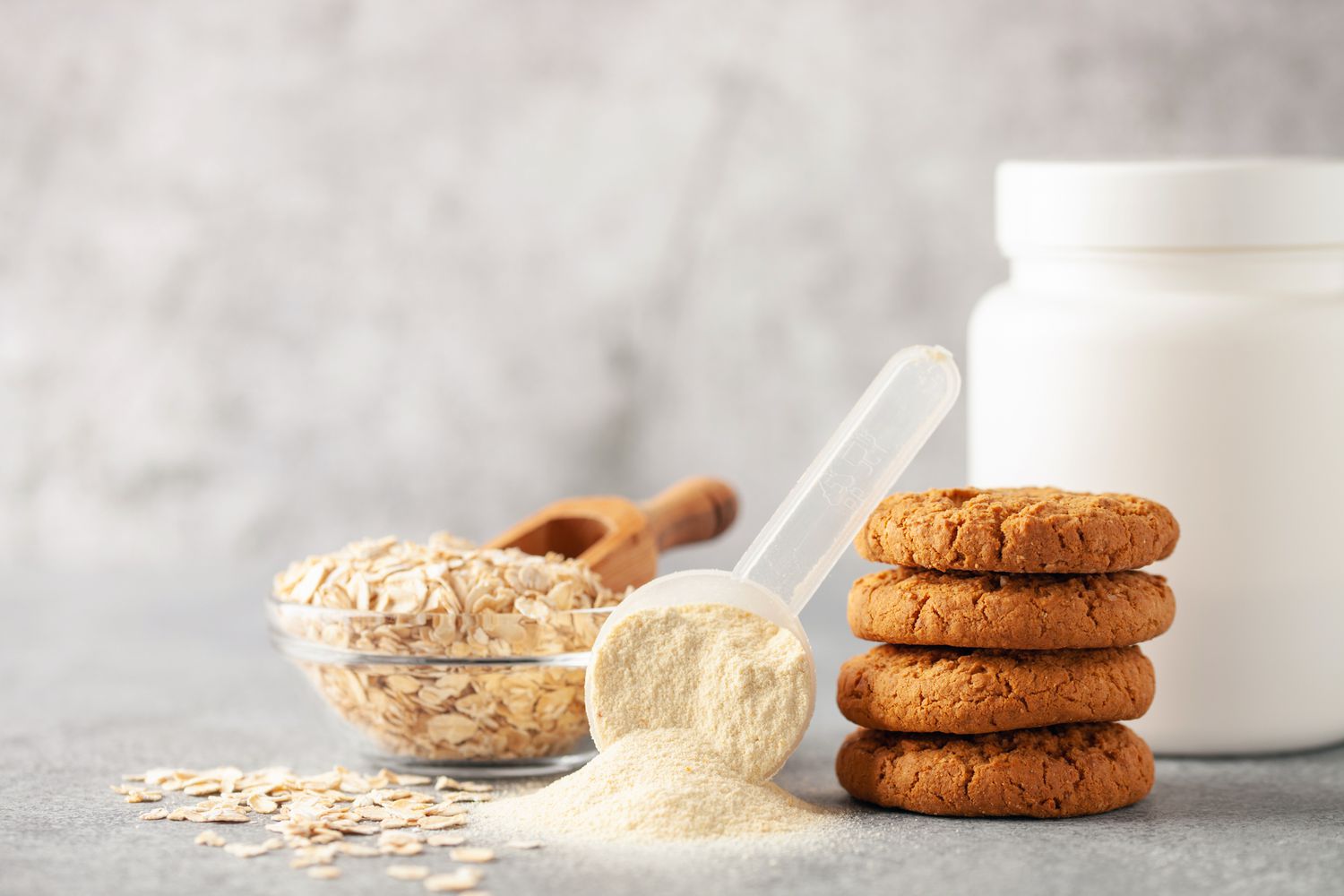
For those who prefer a solid meal, adding protein powder to oatmeal and yogurt is a game-changer. The key here is timing. Do not cook the protein with the oats; the prolonged heat will ruin the texture. Instead, cook your oats as usual, let them cool for sixty seconds, and then fold in your powder. This preserves the bioavailability and ensures a creamy, rather than grainy, finish.
Pro-Tip: If your oatmeal feels too thick after adding the powder, add a splash of almond milk. The extra liquid helps the powder hydrate fully, preventing the "chalky" mouthfeel often associated with lower-quality supplements.
Macro-Nutrient Breakdown: Protein-Powered Oats
- Calories: 340
- Protein: 32g
- Fiber: 8g
Hack 2: Fluffy Protein Pancakes & Waffles
Standard pancake mixes are essentially a fast-track to a blood sugar spike. By modifying your breakfast cooking approach, you can turn a cheat meal into a performance-driven fuel source. The secret to successful protein powder recipe ideas in the kitchen is moisture management.
When exploring how to use protein powder in pancake batter, many athletes make the mistake of using a 1:1 replacement for flour. This results in a pancake that has the texture of a yoga mat. To keep them fluffy, use a base of oat flour or almond flour and replace only 25% of it with a high-quality vanilla or unflavored whey isolate. If you are using a plant-based powder, you will need to increase the liquid content slightly, as pea and rice proteins are significantly more hydrophilic (water-absorbing) than dairy-based options.
Macro-Nutrient Breakdown: Performance Pancakes
- Calories: 380
- Protein: 35g
- Fiber: 5g
Hack 3: The Savory Secret (Soups & Sauces)
We often associate supplements with chocolate, vanilla, and berry flavors. However, some of the best ways to use unflavored protein powder in food involve savory, high-heat applications. This is a massive advantage for athletes who are tired of sweet shakes and want to maintain their nutrient density during dinner.
Unflavored whey or collagen can be seamlessly whisked into creamy soups, stews, and pasta sauces. The trick is to treat the powder like a thickening agent. For a standard pasta sauce, I recommend a ratio of one scoop of powder to 1.5 cups of liquid. If you are making homemade hummus or bean burgers, folding in a scoop of unflavored isolate can boost the protein content by 25 grams without altering the flavor profile. This is especially useful for plant-based athletes who may struggle to find complete amino acid profiles in standard vegetable dishes.
Pro-Tip: When adding powder to a boiling soup, pull a small bowl of the broth out first, whisk the powder into that small portion, and then re-introduce the mixture to the pot. This prevents "spot-clumping" in large batches.
Macro-Nutrient Breakdown: Savory Protein Hummus (per serving)
- Calories: 210
- Protein: 18g
- Fiber: 6g
Hack 4: Science of Baking (The 1:4 Rule)
Baking with protein powder is a science, not an art. If you have ever pulled a batch of "protein brownies" out of the oven only to find they are dry and brittle, you have experienced the chemical limitations of whey. Whey protein is highly susceptible to drying out under heat. Casein, on the other hand, is a "thicker" protein that holds onto moisture, making it much better for fudgy textures.
To achieve the best results, use a blend of whey and casein or adhere strictly to the 1:4 ratio rule: one part protein powder to four parts dry ingredients (flour, cocoa powder, etc.). This ensures that there is enough gluten or starch to provide the structure that protein powder lacks. Understanding the difference between whey vs. plant-based options is also vital; plant proteins often require an extra egg or a tablespoon of applesauce to provide the necessary binding and high-heat stability.
Baking Comparison: Whey vs. Casein
| Feature | Whey Protein | Casein Protein |
|---|---|---|
| Texture Result | Dry, crumbly, "bready" | Moist, dense, "fudgy" |
| Liquid Absorption | Low | High |
| Best Used For | Cookies, thin crackers | Brownies, muffins, cakes |
| Heat Stability | Moderate (can become rubbery) | High (maintains structure) |
Hack 5: No-Bake Energy Bites & Snacks
For those with a busy training schedule, portable satiety is key. Protein powder hacks for no bake protein bites allow you to create snacks that support post-workout recovery without the need for an oven. Because these recipes don't involve heat, the texture optimization is much simpler—you are primarily focused on the "glue" that holds the bite together.
Using a combination of nut butter (fat), honey or maple syrup (carbs), and protein powder (protein), you can create a balanced macro-profile. Collagen peptides are particularly useful here because they dissolve completely and add a "sticky" quality that helps the bites hold their shape. This approach ensures high bioavailability and provides a steady stream of amino acids to the muscles throughout the afternoon.
Pro-Tip: Roll your energy bites in crushed nuts or shredded coconut. This adds a layer of healthy fats and prevents the bites from sticking together in your gym bag.
Maximizing Muscle Growth: Dosage and Timing
While finding creative how to eat protein powder methods is important for variety, the underlying sports science remains the priority. To truly optimize your results, you must consider both the total daily intake and the distribution of that intake.
Evidence indicates that to optimize muscle anabolism throughout the day, athletes should aim for a target protein intake of 0.4 grams per kilogram of body weight per meal, distributed across at least four meals. For a 180lb (82kg) athlete, this equates to roughly 33 grams of protein per meal. Simply dumping 60 grams of protein into a single post-workout shake is less effective than spacing that intake out.
By using the hacks mentioned above—adding powder to your morning oats, your midday snack bites, and your evening savory soup—you ensure a constant elevated state of muscle protein synthesis. This prevents the muscle breakdown that can occur during long gaps between meals and supports long-term dietary compliance by making the "diet" feel like a normal, diverse culinary experience.
FAQ
What can I mix protein powder with besides water?
You can mix protein powder with milk (dairy or plant-based), Greek yogurt, cottage cheese, or even pureed fruit like applesauce. For savory applications, unflavored powder can be mixed into bone broth or vegetable stocks. Using liquids with a higher fat content often results in a smoother, more palatable texture.
Can you use protein powder in things other than shakes?
Yes, protein powder is a highly versatile dry ingredient. It can be used in baking as a partial flour substitute, stirred into hot cereals, blended into dips like hummus, or mixed into batters for pancakes and waffles. The key is managing the moisture ratio to ensure the final product doesn't become too dry.
Is it okay to bake with protein powder?
It is perfectly safe to bake with protein powder, although the heat can change the physical structure of the protein. While this doesn't "ruin" the nutritional value, it can make the food dry or rubbery if you use too much. To maintain a good texture, always follow the 1:4 ratio of powder to flour and consider using casein for a moister result.
Can I add protein powder to my daily coffee?
Adding protein powder to coffee is a great way to start your day with a protein boost. To avoid clumping, do not add the powder directly to boiling liquid. Instead, make a slurry with a little cold milk or water first, or use a battery-operated milk frother to blend the powder into the coffee while it is at a drinkable temperature.
Can you add protein powder to oatmeal or yogurt?
Adding protein powder to oatmeal and yogurt is one of the easiest ways to increase your breakfast protein. For yogurt, simply stir it in until smooth. For oatmeal, it is best to stir the powder in after the oats have finished cooking to prevent the protein from becoming grainy or tough due to excessive heat.
Summary of Action
This week, challenge yourself to move beyond the shaker bottle. Try one sweet hack, like the protein pancakes, and one savory hack, like adding unflavored powder to a soup or sauce. By diversifying your intake, you make hitting your daily requirements easier and more enjoyable. For more detailed reviews on which powders perform best in the kitchen, check out our latest guide on the best-tasting isolates for 2024.