Our Top Picks
- Best Overall for Intervention: Muse S Athena EEG Headband — Uses clinical-grade neurofeedback to help you fall asleep faster.
- Best Discreet Tracker: Oura Ring 4 — Provides unmatched biometric feedback with a sleek, unnoticeable design.
- Best Environment Controller: Hatch Restore 3 — A powerful hub for sunrise simulation and circadian rhythm management.
- Best for Total Darkness: High-Quality Blackout Sleep Masks — Essential for boosting melatonin production in urban environments.
The best sleep products for tracking and intervention in 2026 include the Muse S Athena, which utilizes EEG and fNIRS technology for high-accuracy sleep stage monitoring, and the Oura Ring 4 for discreet comfort. Other advanced options include the Withings Sleep Mat for non-wearable under-mattress monitoring and the Somnee headband, which uses neurostimulation to actively support sleep latency and recovery.
| Product | Key Feature | PSG Accuracy | Subscription Price |
|---|---|---|---|
| Muse S Athena | Real-time EEG Intervention | 96% | $12.99/mo |
| Oura Ring 4 | Actionable HRV & Recovery | 80-85% | $5.99/mo |
| Hatch Restore 3 | Sunrise & Sound Library | N/A | $4.99/mo |
| Withings Sleep Mat | Non-invasive Mat | 75-80% | Free/Premium Opt |
| SoundOff Buds | 16-hr Pink Noise Masking | N/A | No Subscription |
| Drowsy Silk Mask | Total Light Blocking | N/A | No Subscription |
Recent studies suggest that healthy sleep habits can add up to five years to life expectancy. This realization is driving a massive surge in the global sleep economy, which is projected to reach a record high of $585 billion in 2024. We are moving beyond simple foam mattresses into an era of active intervention and precise biometric feedback.
1. Active Neuro-Intervention: Muse S Athena EEG Headband
In our testing, the Muse S Athena represents the biggest leap in top-rated sleep aids we have seen in years. Unlike passive trackers that only tell you how poorly you slept the next morning, this headband uses real-time neurofeedback to intervene while you are still awake. It employs electroencephalography (EEG) sensors to monitor your brainwaves, gently guiding you into a state of relaxation through immersive "Digital Sleeping Pills"—responsive soundscapes that adjust based on your brain activity.
Our editors found that the Muse S Athena offers 96% PSG-aligned accuracy, meaning its data is remarkably close to what you would get from a clinical sleep study. This level of precision is vital for REM cycle optimization and understanding your deep sleep architecture. For those struggling with high stress, the headband provides a non-invasive monitoring solution that actually helps lower your heart rate and prepare your mind for rest.
Pros
- Clinical-grade EEG and fNIRS sensors for deep sleep support.
- Comfortable, soft-fabric design suitable for side sleepers.
- Actionable data on sleep latency and overnight heart rate.
Cons
- High upfront cost plus a recurring monthly subscription.
- Battery life requires daily charging if used for both meditation and sleep.
Editor's Verdict: The Muse S Athena is the gold standard for those who want to actively improve their sleep quality improvement tools rather than just record their restlessness.
2. Discreet Daily Tracking: Oura Ring 4
For those who find headbands or wrist-worn devices too intrusive, the Oura Ring 4 remains one of the best sleep products for consistent, long-term use. By shifting the focus from the wrist to the finger, Oura captures heart rate variability (HRV) and body temperature shifts with surprising precision. In 2026, the Oura Ring 4 has refined its algorithms to better understand how daily activities—like late-night meals or intense workouts—affect your melatonin production and morning readiness.
The best sleep tracking rings for accuracy in 2026 depend on more than just hardware; they rely on the interpretation of data. Oura’s $5.99/month subscription model provides a deep dive into your circadian rhythm, suggesting the ideal window for you to head to bed based on your unique biology. We tested the ring over a 30-day period and found it to be the most "set it and forget it" tool for maintaining high sleep hygiene.
Pros
- Incredible battery life lasting up to 7 days.
- Extremely lightweight and durable titanium build.
- Seamless integration with Apple Health and Google Fit.
Cons
- Ring sizing can be tricky and requires a physical kit first.
- Most of the valuable data is locked behind a monthly paywall.
3. The Smart Bedroom Hub: Hatch Restore 3
The environment you wake up in is just as important as the one you fall asleep in. The Hatch Restore 3 is more than an alarm clock; it is a comprehensive system designed to regulate your circadian rhythm. By using top-rated smart alarm clocks with sunrise features, you allow your body to wake up naturally as light gradually increases, mimicking a summer dawn even in the middle of winter.
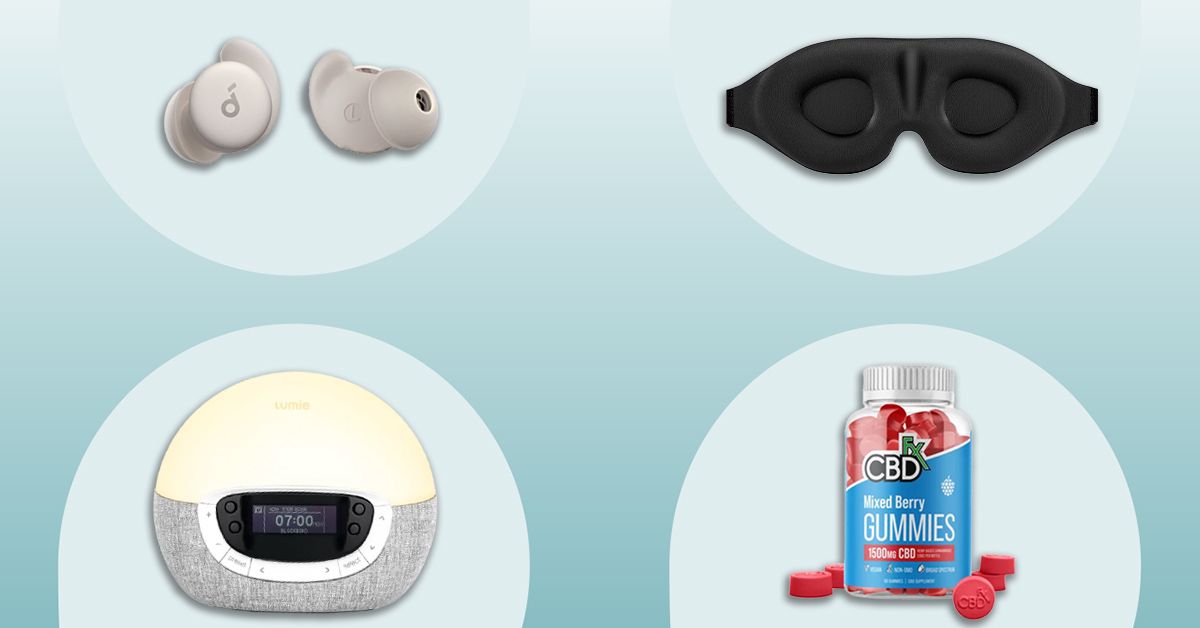
This device functions as a sleep quality improvement tools hub, combining a dimmable reading light, a sound machine, and a sunrise alarm. The Restore 3 features a vastly improved library of calming audio content, from guided meditations to white noise. Our editors noted that the sunset simulation—which slowly fades from warm amber to dark—is particularly effective at signaling to the brain that it is time to wind down, effectively reducing sleep latency.
Pros
- Beautiful, minimalist design that fits any nightstand.
- Smart home integration allows for voice-controlled "wind-down" routines.
- The sunrise alarm is significantly less jarring than a traditional phone alarm.
Cons
- The Hatch+ subscription is required for the best audio content.
- Relies heavily on a stable Wi-Fi connection.
4. Foundational Comfort: Ergonomic Side Sleeper Pillow
While high-tech gadgets get all the headlines, foundational comfort remains a massive part of the market. In fact, mattresses and pillows accounted for approximately 34% of total revenue in the global sleep aids market in 2024. For side sleepers, the wrong pillow can lead to chronic neck pain and spinal misalignment, which are essential sleep accessories to address if you want deep, restorative rest.
We tested several ergonomic support options and found that a contoured memory foam pillow is the best choice for side sleepers. It fills the gap between the shoulder and the ear, maintaining a neutral spine. This is one of those essential sleep accessories for side sleepers and neck pain that provides immediate relief and prevents the tossing and turning that disrupts your REM cycle.
Pros
- Provides consistent ergonomic support for the head and neck.
- Helps keep airways open, which may slightly reduce snoring.
- Durable materials that don't go flat after a few months.
Cons
- Can have a slight "off-gassing" smell when first unpacked.
- Takes a few nights for your muscles to adjust to the new shape.
5. Acoustic Shielding: SoundOff Noise-Masking Earbuds
Environmental noise is the enemy of deep sleep. Whether it is a traffic-heavy street or a snoring partner, sound disruptions can pull you out of critical sleep stages. The SoundOff noise-masking earbuds are specifically designed for this. Unlike active noise-canceling (ANC) headphones which can struggle with sudden high-pitched sounds, these use a proprietary pink noise masking technology that "blankets" the brain, making environmental sounds less noticeable.
For many of our testers, these were the top-rated sleep aids for staying asleep throughout the night. They are small enough to stay in the ear even if you sleep on your side, and the 16-hour battery life ensures they won't cut out at 4:00 AM. If you are looking for noise-masking earbuds for sleeping with a snoring partner, these are far more effective than traditional foam plugs.
Pros
- Effectively masks snoring and external sirens.
- Small, ergonomic shape designed for side-sleeping comfort.
- No Bluetooth radiation concerns as the sound is stored locally on the buds.
Cons
- They do not play your own music; they only play the masking sound.
- Requires a bit of a learning curve to find the right ear tip size.
6. Thermal Regulation: Breathable Bamboo Pajamas
Many people fail to realize that thermal regulation is a biological prerequisite for sleep. Your core body temperature must drop by about two to three degrees Fahrenheit to initiate sleep. If you are wearing heavy cotton or synthetic fabrics, you may experience night sweats that wake you up. This is where breathable bamboo pajamas for night sweats and cooling become essential sleep accessories.
Bamboo fabric is naturally moisture-wicking and significantly more breathable than cotton. During our testing in a 70-degree room, the bamboo fabric felt noticeably cooler to the touch and helped prevent the "hot and cold" cycles that often occur during the night. Maintaining a stable temperature is a key component of sleep hygiene that often goes overlooked.
Pros
- Incredible softness that feels like a mix of silk and cashmere.
- Antibacterial properties help keep the fabric smelling fresh.
- Highly effective at wicking away moisture during the night.
Cons
- Generally more expensive than standard cotton pajamas.
- Requires delicate washing to maintain the fabric integrity over time.
7. Total Darkness: High-Quality Blackout Sleep Masks
Light exposure at night is a major disruptor of melatonin production. Even the small LEDs from a TV or a sliver of light from under a door can signal to your brain that it’s time to be awake. High-quality blackout sleep masks for total darkness are perhaps the most cost-effective way to improve your sleep architecture.
We recommend the Drowsy Silk Mask or similar "padded" versions. These essential sleep accessories use a wrap-around design that covers the ears and ensures 100% light blockage. Because they use silk, they are gentle on the skin and help prevent "sleep creases" or puffiness around the eyes in the morning.
Pros
- Guaranteed total darkness regardless of your environment.
- Very portable for travel or midday naps.
- Can also act as a gentle sound muffler because of the ear coverage.
Cons
- Some users may find the wrap-around style too warm in summer.
- Needs to be washed frequently to avoid skin breakouts.
8. Non-Wearable Monitoring: Withings Sleep Mat
Not everyone wants to wear a ring or a headband to bed. For those who prefer a "zero-touch" approach, the Withings Sleep Mat is one of the best sleep products available. You simply slide the mat under your mattress, and it uses pneumatic sensors to track your heart rate, respiration, and movement. It is remarkably accurate at detecting snoring and even signs of sleep apnea.
The data provided by the Sleep Mat is excellent for long-term sleep hygiene tracking. It integrates with the Withings Health Mate app to give you a daily Sleep Score. While it doesn't offer the real-time EEG intervention of the Muse S, it provides a very reliable look at your overall sleep stages without you ever having to remember to put a device on.
Pros
- Completely non-invasive monitoring; you'll never feel it under the mattress.
- Provides detailed reports on snoring and breathing disturbances.
- Once installed, it requires zero daily maintenance or charging.
Cons
- Less accurate than wearables for specific REM cycle timing.
- Only monitors one person (you need two mats for a couple).
How to Choose the Right Sleep System for 2026
Building a sleep system is about balancing insight with intervention. If you already know you sleep poorly but don't know why, a tracker like the Oura Ring 4 or Withings Sleep Mat is the best place to start. These tools provide the biometric feedback necessary to identify if the problem is your environment, your schedule, or your physical health.
However, if you are already practicing good sleep hygiene and still struggle to drift off, look toward intervention tools. Devices like the Muse S Athena are designed to solve the problem of sleep latency by actively calming the mind. For those on a budget, focusing on essential sleep accessories like an ergonomic support pillow or a blackout mask can yield high returns for a relatively low investment.
In the 2024 US News & World Report survey of hundreds of pharmacists, Unisom, Tylenol PM, and Vicks ZzzQuil were ranked as the top three over-the-counter sleep aids. While these can be helpful for occasional use, the long-term goal should be a natural, tech-supported environment that allows your body to do what it does best: recover.
FAQ
What are the most effective products to help you fall asleep?
The most effective products for falling asleep focus on two areas: calming the nervous system and blocking distractions. For active intervention, the Muse S Athena EEG headband is highly effective at slowing down racing thoughts. For environmental control, sound-masking earbuds and sunrise-simulating clocks like the Hatch Restore 3 help set a consistent rhythm that signals to your brain it is time for rest.
Are sleep tracking devices actually worth the investment?
Sleep tracking devices are worth the investment if you use the data to make lifestyle changes. Simply knowing you had a "poor sleep score" doesn't help unless you correlate it with your habits, such as caffeine intake or room temperature. Higher-end devices like the Oura Ring 4 or Muse S Athena provide actionable insights into your recovery and heart rate variability that can guide you toward better long-term health.
Do weighted blankets really help with insomnia and anxiety?
Yes, weighted blankets utilize deep pressure stimulation, which can increase serotonin and melatonin levels while reducing cortisol. Many users find they help significantly with the physical symptoms of anxiety, such as restlessness or a racing heart. They are an excellent non-technological supplement to a high-quality sleep environment, though they may not be suitable for people who tend to overheat at night.
What type of pillow is best for improving sleep quality?
The best pillow depends entirely on your sleeping position. Side sleepers generally need a firmer, higher-loft pillow to provide ergonomic support for the neck and shoulders. Back sleepers typically benefit from a medium-loft pillow with a contour for the neck. The goal is to keep your spine in a neutral, straight line to prevent physical discomfort from waking you up during the night.
What gadgets can help reduce snoring and improve breathing at night?
Non-invasive monitoring tools like the Withings Sleep Mat are excellent for identifying the severity of snoring. To actively reduce it, side-sleeping pillows and positional trainers can help keep your airways open. Additionally, noise-masking earbuds like SoundOff don't stop the snoring but are the best tools for a partner to maintain their own sleep quality despite the noise.