Quick Facts
- Top OTC Recommendation: Dual-action Naproxen sodium (220mg) and Diphenhydramine (25mg) to provide a 12-hour relief window.
- Primary Bedding Choice: Orthopedic knee pillows to maintain neutral hip and spinal alignment.
- Key Statistics: A systematic review and meta-analysis found that 72.9% of individuals with psoriatic arthritis report poor sleep quality.
- Core Clinical Insight: Up to 85% of patients experience sleep disturbances, often linked to the itch-scratch cycle of psoriasis flares.
- The Invisible Comorbidity: Approximately 64% of patients experience restless legs syndrome, while sleep apnea is significantly more prevalent in this population than in the general public.
- Expert Tip: Conduct a Sleep apnea screening if you experience morning headaches or persistent daytime fatigue despite long hours of rest.
Effective psoriatic arthritis sleep aids include a combination of over-the-counter medications like Aleve PM for inflammation and insomnia, alongside supportive bedding like orthopedic knee pillows to reduce pressure point pain. By addressing both the systemic inflammation and the physical environment, patients can achieve the restorative sleep necessary for immune regulation and pain threshold management.
The Hidden Link: Psoriatic Arthritis and Sleep Apnea
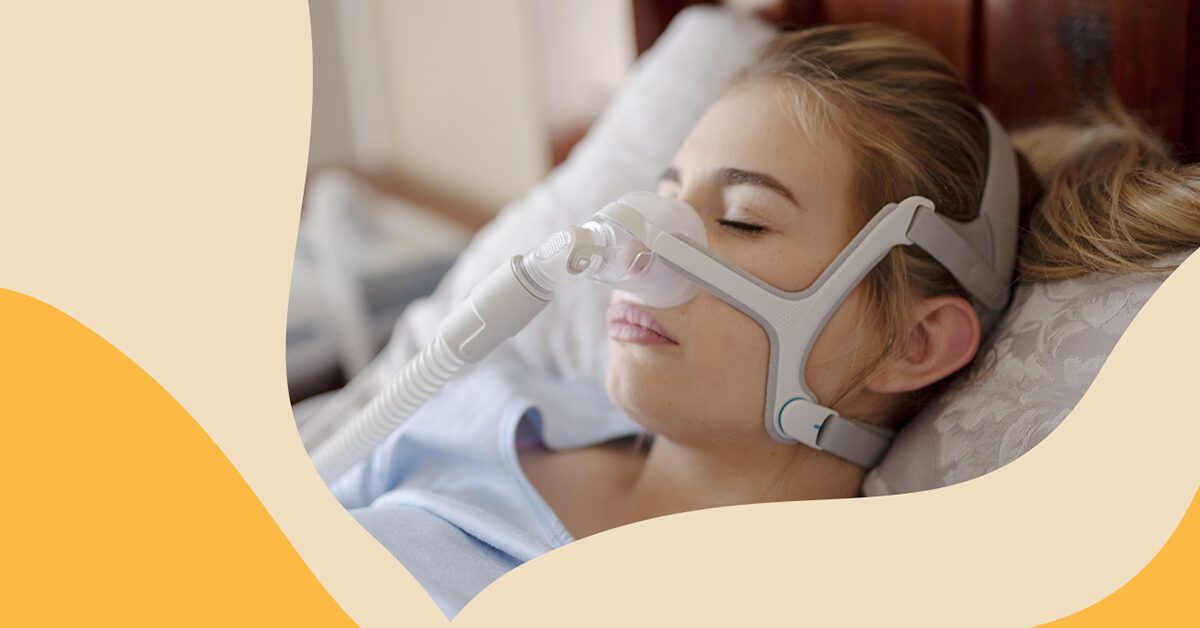
For many living with psoriatic arthritis, the struggle to stay asleep isn't just about joint pain; it’s about how the body breathes. There is a profound and often overlooked connection between inflammatory arthritis and obstructive sleep apnea (OSA). Research suggests that systemic inflammation can affect the upper airway, and conversely, the intermittent hypoxia caused by apnea can worsen psoriasis flares.
When we discuss using cpap machines for better sleep with psoriatic arthritis, we aren't just looking at snoring. We are looking at a medical intervention that stabilizes the oxygen levels in your blood, which in turn helps lower systemic inflammation. Patients often report symptoms like a chronically dry mouth in the morning or localized headaches behind the eyes. These are red flags.
If you find yourself waking up feeling unrefreshed despite taking pain medication, a Sleep apnea screening is a critical next step. Proper Sleep hygiene involves more than just a dark room; it requires ensuring your respiratory system isn't working overtime while your joints are trying to recover. Treating underlying apnea can drastically reduce the fatigue that often mimics a medication side effect or a worsening flare.
Doctor's Corner: Is it OSA? Screening for sleep apnea is vital for psoriatic arthritis patients. Look for the "STOP-BANG" indicators: Snoring, Tiredness, Observed apnea, high blood Pressure, Body mass index, Age, Neck circumference, and Gender. If you score high, consult your rheumatologist about a sleep study.
Best OTC Dual-Action Medications for Nighttime Relief
When nighttime psoriatic arthritis pain management is the goal, single-ingredient medications often fall short. A "dual-action" approach is frequently necessary to tackle the biological "double whammy" of psoriatic arthritis: the physical pain of inflammation and the secondary insomnia caused by that discomfort.
The most effective best otc pain relievers and sleep aids for psoriatic arthritis usually combine an NSAID with a sedating antihistamine. Specifically, the combination of Naproxen sodium and Diphenhydramine is highly regarded in clinical settings. Naproxen sodium is a long-acting nonsteroidal anti-inflammatory drug that targets the root of the pain—inflammation—providing a relief window of up to 12 hours. This is crucial for preventing the 3:00 AM wake-up call when shorter-acting medications like ibuprofen might wear off.
This combination is particularly effective for treating Dactylitis relief (the "sausage-like" swelling of fingers and toes) and Enthesitis pain (inflammation where tendons and ligaments meet bone). By quieting these specific inflammatory responses, the Diphenhydramine component can then safely induce drowsiness, allowing the patient to bypass the initial pain of finding a comfortable sleeping position.
Clinical Comparison: Common OTC Ingredients
| Active Ingredient | Primary Function | Duration of Action | Best Used For |
|---|---|---|---|
| Naproxen sodium | Anti-inflammatory | 8–12 Hours | Long-term joint pain & stiffness |
| Ibuprofen | Pain/Inflammation | 4–6 Hours | Short-term acute flares |
| Diphenhydramine | Sedative/Antihistamine | 4–8 Hours | Addressing insomnia & nighttime itching |
| Acetaminophen | Analgesic | 4–6 Hours | Pain relief without anti-inflammatory action |
Managing Skin Sensitivity: Sheets and Sleepwear
For the 30% to 85% of patients who report sleep disturbances, the skin is often the primary antagonist. Psoriatic arthritis is unique because it often carries the burden of skin psoriasis. At night, the body’s core temperature drops, but localized inflammation in the skin can lead to "hot spots" that trigger an intense itch.
The "itch-scratch" cycle is a major barrier to restorative sleep. Choosing the right cooling sheets for psoriatic arthritis skin sensitivity is a functional medical choice, not just a luxury. Fabrics like Tencel, bamboo, or high-tech moisture-wicking synthetics are superior to traditional cotton because they assist in Thermoregulation. These materials pull heat away from the body, which can help prevent Psoriasis flares from becoming itchy and inflamed during the night.
Furthermore, how to stop psoriatic arthritis itching at night for better sleep involves looking at your sleepwear. Avoid heavy elastics or rough seams that can irritate plaques or sensitive skin. Moisture-wicking pajamas can prevent sweat from sitting on the skin, which is a common trigger for nocturnal itching. By keeping the skin cool and dry, you reduce the sensory input that keeps the brain in a state of hyper-vigilance.
Joint Alignment: Bedding and Orthopedic Supports
While medication handles the internal chemistry, your bedding for psoriatic arthritis joint pain handles the physics. Psoriatic arthritis often attacks the sacroiliac (SI) joints, the lower back, and the small joints of the feet. If your mattress or pillow doesn't provide adequate support, your body will compensate by tensing other muscles, leading to a cycle of stiffness.
One of the most effective psoriatic arthritis sleep aids is the implementation of orthopedic knee pillows for psoriatic arthritis relief. For side sleepers, placing a contoured pillow between the knees keeps the hips parallel and prevents the upper leg from pulling the spine out of alignment. This is a simple but profound way to achieve Pressure point reduction in the hips and lower back.
Additionally, consider the role of your mattress. A mattress that is too soft will cause the body to "hammock," putting immense strain on the spine and inflamed joints. A medium-firm mattress with a memory foam topper can provide the necessary support while still offering a soft enough surface to avoid aggravating sensitive skin or dactylitis in the toes.
- Orthopedic Knee Pillows: Use between knees for side sleeping or under knees for back sleeping to neutralize the spine.
- Supportive Head Pillows: Ensure the neck is not flexed forward or backward; a neutral neck reduces the risk of tension headaches.
- Electric Blankets: While cooling is better for itching, a short burst of heat from an electric blanket in the morning can help alleviate the intense morning stiffness typical of inflammatory arthritis.
Natural and Topical Aids for Stiffness
Beyond the medicine cabinet and the linen closet, there are supplemental ways to address the "rustiness" that sets in overnight. Many patients find that natural sleep aids for psoriatic arthritis joint stiffness can bridge the gap between their prescription biologics and a good night's rest.
Topical agents containing menthol or lidocaine can provide temporary distraction from localized joint pain. Magnesium, often used in the form of Epsom salt baths before bed, is another popular choice. While the skin absorption of magnesium is still a topic of clinical debate, the warm water helps relax muscles and the ritual itself aids in the transition to sleep. Magnesium supplements, when taken orally, may also assist in muscle relaxation and reducing the symptoms of restless legs syndrome, which afflicts 64% of psoriatic arthritis patients.
Inflammation management is a 24-hour job. Using topical anti-inflammatories or natural supplements should always be discussed with your rheumatologist, especially to ensure they do not interfere with your primary disease-modifying antirheumatic drugs (DMARDs) or biologics.
FAQ
What are the best sleep aids for psoriatic arthritis?
The most effective approach is usually a combination of a long-acting NSAID, such as naproxen sodium, and a sedating antihistamine like diphenhydramine. Beyond medication, orthopedic supports like knee pillows and cooling fabrics are considered essential sleep aids for managing the multifaceted symptoms of this condition.
Can psoriatic arthritis cause chronic insomnia?
Yes, psoriatic arthritis is a leading cause of secondary insomnia. The combination of nocturnal joint pain, skin itching, and a higher prevalence of restless legs syndrome creates a difficult environment for falling and staying asleep. Research shows that nearly three-quarters of patients suffer from poor sleep quality.
Is it safe to take melatonin if you have psoriatic arthritis?
While melatonin is generally safe for short-term use, patients with autoimmune or autoinflammatory conditions like psoriatic arthritis should consult their doctor first. Some theories suggest melatonin could potentially stimulate the immune system, which might influence inflammation levels, although clinical evidence on this specific interaction is still emerging.
How can I manage nighttime joint pain to sleep better?
Managing nighttime pain requires a "layers" approach: start with a long-acting anti-inflammatory to control systemic swelling, use orthopedic pillows to keep joints in a neutral position to reduce pressure, and maintain a cool room temperature to prevent skin irritation that can exacerbate the perception of pain.
What are the most effective natural sleep aids for inflammatory arthritis?
Magnesium is a top choice for its role in muscle relaxation and potentially reducing restless leg symptoms. Other natural options include topical menthol rubs for localized cooling relief and valerian root or chamomile tea to assist with the psychological transition to sleep. Always check for interactions with your current arthritis medications.
Can magnesium supplements improve sleep for psoriatic arthritis patients?
Magnesium can be beneficial, particularly if a patient suffers from muscle cramps or restless legs syndrome, both of which are common in psoriatic arthritis. It helps regulate neurotransmitters that calm the nervous system. However, it is not a replacement for anti-inflammatory treatment but rather a supportive supplement for muscle and nerve relaxation.
Managing psoriatic arthritis at night requires a proactive strategy that moves beyond just "waiting for the flare to end." By integrating 12-hour OTC medications, optimizing your bedding for pressure point reduction, and screening for comorbid conditions like sleep apnea, you can reclaim the rest your body needs to fight inflammation. Always consult with your healthcare provider before introducing new psoriatic arthritis sleep aids into your routine to ensure they align with your overall treatment plan.