Quick Facts
- The Gold Standard: Probiotics for gut barrier repair require a 14-day lead time before your flight.
- The Flight Hero: Hypotonic electrolyte balance formulas hydrate faster than water to fight flight fatigue.
- The Gut Shield: Look for shelf-stable formulas containing Lactobacillus rhamnosus to prevent traveler's diarrhea.
- Jet Lag Hack: Oral melatonin reduces symptom severity from a score of 45/100 to 27/100.
- Logistics Tip: Use TSA-compliant single-serve sachets for ease of use in carry-on luggage.
To support the immune system during air travel, focus on the best travel supplements containing Vitamin C, elderberry, and shelf-stable probiotics. These formulas strengthen the body’s defenses against pathogens in recycled cabin air, while hypotonic electrolytes hydrate faster than water to combat flight fatigue. High-potency immune boosters for air travel should be started before boarding for maximum resilience.
Section 1: The Pre-Departure Protocol (14 Days Out)
Most travelers wait until they are at the airport gate to think about their health. From a microbiome perspective, that is already too late. Your gut is your primary line of defense against the foreign pathogens you will encounter in a new country. To truly prepare, you need to focus on gut barrier repair at least two weeks before you head to the airport.
Taking the best probiotics for international travel requires a lead time because beneficial bacteria need time to colonize and strengthen the intestinal lining. When you introduce new strains, they do not just arrive and start working instantly; they must compete with existing flora and establish a presence. By starting early, you ensure that your digestive system is a fortress before you even take your first bite of street food or sip of local water.
When selecting a formula, prioritize the best shelf stable probiotics for international travel. Standard probiotics often require refrigeration, which is impossible during long-haul transit. Look for freeze-dried technologies that keep the bacteria viable at room temperature. These stable colonies provide the bioavailable nutrients your system needs to stay regular despite the stress of packing and the disruption of your normal routine.

Section 2: The Transit Shield: Immunity and Hydration for Long-Haul Flights
The environment inside an airplane cabin is notoriously harsh on the human body. Humidity levels often drop below 20 percent, which is drier than the Sahara Desert. This dry air parches your mucous membranes, which are your first defense against airborne viruses. This is why supplements for travel dehydration are just as important as vitamins for your immune system.
Standard water is often not enough to combat the extreme flight fatigue caused by these conditions. I recommend hypotonic electrolyte formulas. Unlike isotonic drinks, which have the same salt concentration as your blood, hypotonic blends have a lower concentration. This allows them to be absorbed into the bloodstream much faster, providing rapid rehydration. Look for electrolyte balance blends that include B vitamins to help support energy metabolism during transit.
Beyond hydration, you need a robust defense against the recycled air shared with hundreds of other passengers. This is where immune boosters for air travel come into play. A combination of Vitamin C, elderberry, and echinacea provides a multi-pronged approach to immune system resilience. High-potency immune boosting supplements for long haul flights should be taken the day before and the day of travel. Elderberry, in particular, has been shown in some studies to reduce the duration and physical symptoms of respiratory issues in air travelers.
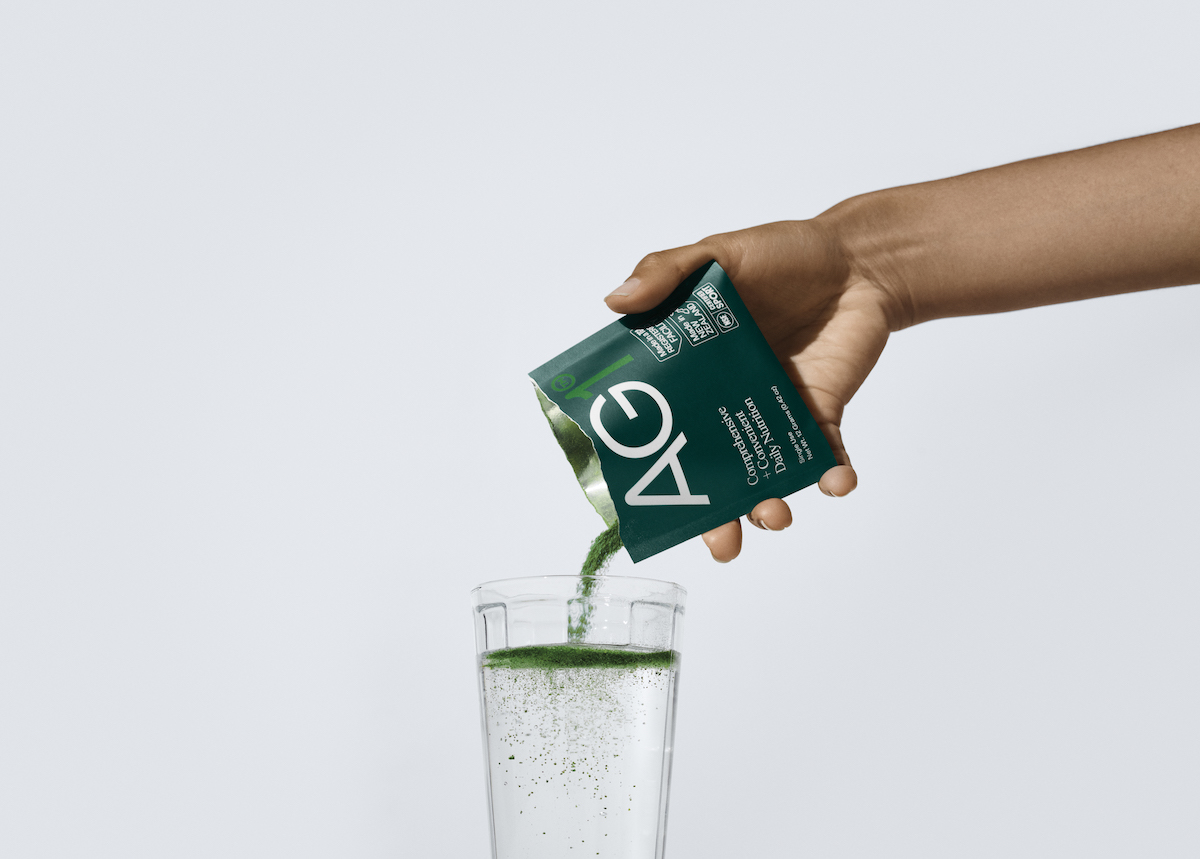
When packing these items, consider the convenience of single-serve sachets. These ensure carry-on compliance and allow you to mix your defense drink right at your seat. Using the best hydration electrolytes for hot weather travel is also a smart move if your destination is tropical, as you will likely be losing minerals through sweat the moment you land.
Section 3: On-the-Ground Recovery: Jet Lag and Gut Health
Once you land, the challenge shifts from defense to recovery. Jet lag is more than just feeling tired; it is a systemic disruption of your circadian rhythm that affects everything from your sleep to your digestion. Clinical data supports the use of melatonin to bridge this gap. A meta-analysis of clinical trials indicates that oral melatonin reduces the severity of jet lag symptoms to a score of 27 out of 100, compared to a score of 45 for individuals taking a placebo. This simple addition to your nightly routine for the first few days can significantly accelerate your jet lag recovery.

Digestion also takes a hit when you cross time zones. Changes in meal timing and local ingredients can lead to "traveler's tummy." Scientific evidence shows that specific probiotics are highly effective here. A systematic review of 12 randomized controlled trials found that probiotics significantly prevent traveler's diarrhea, reducing the risk with a pooled relative risk of 0.85 compared to a control group.
If you struggle with the opposite problem, look for natural supplements for travel constipation relief. Ozonated magnesium oxide is a favorite among frequent flyers because it works gently by drawing oxygen and water into the bowel to promote regularity without the cramping associated with stimulant laxatives.
To keep your energy up for sightseeing without relying solely on caffeine, consider adaptogenic mushrooms for travel stress and focus. Ingredients like Lion's Mane and Cordyceps help the body manage the physical stress of travel while maintaining cognitive clarity. Many travelers also find that a travel friendly greens powder for energy helps fill the nutritional gaps when local diets lack fiber and fresh vegetables.
Section 4: The 60-Second Label Scan: How to Choose Quality
Not all supplements are created equal, and when you are thousands of miles from home, you cannot afford to take a product that does not work. When shopping for the best travel supplements, you must be a savvy label reader.
First, look for third-party certifications such as NSF International or Informed-Choice. These logos ensure that what is on the label is actually in the bottle and that the product is free from contaminants. For probiotics, check the CFU (Colony Forming Unit) count. For general maintenance, 10 to 50 billion CFUs is the sweet spot. Anything lower may not survive the journey through your stomach acid.
Second, verify the shelf-stable formulas. If a label says "Keep Refrigerated," leave it on the shelf. You need products that use blister packs or patented stabilization techniques to ensure the bioavailable nutrients remain active in varying temperatures. Finally, check for micronutrient density. High-quality supplements will use methylated or chelated forms of vitamins and minerals, which the body absorbs much more efficiently than cheaper, synthetic alternatives.
Section 5: Travel Logistics: TSA Rules and Packing Hacks
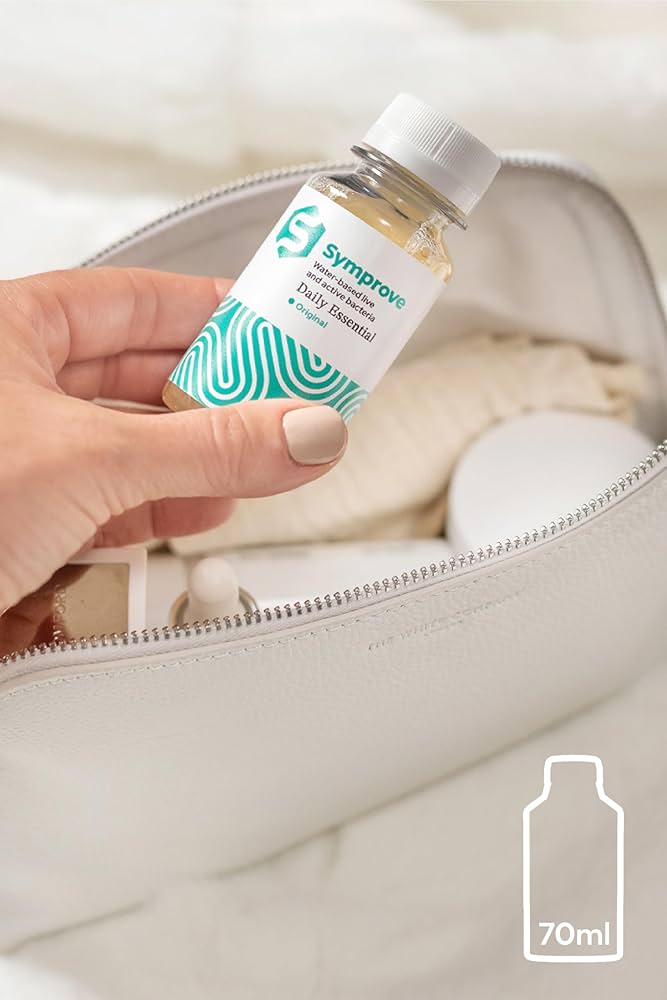
The best health regimen in the world is useless if it gets confiscated at security. To ensure carry-on compliance, I always recommend powders and tablets over liquids. If you must bring liquid Vitamin C or tinctures, they must be in containers of 3.4 ounces (100ml) or less and fit into a single quart-sized bag.
This is why single-serve sachets are the ultimate travel hack. They are lightweight, require no measuring, and pass through security without a second glance. You can easily tuck a week's worth of probiotics and electrolytes into the side pocket of your laptop bag.
Interestingly, market research reveals that 87% of consumers in the Asia-Pacific region use health supplements, which is notably higher than the global average of 78%. If you are traveling to this region, you will find a culture that deeply values supplemental health, making it easier to find high-quality local options if you run out. However, bringing your own ensures you have the specific strains your body is already accustomed to.
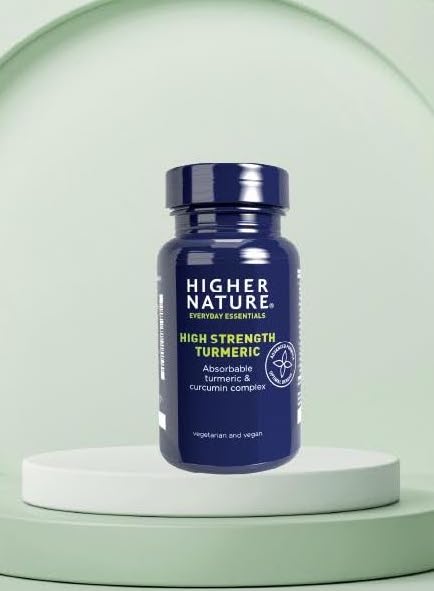
Pro Tip: If you find the taste of certain powdered greens or electrolytes too strong, try mixing them into airport-bought yogurt or a smoothie. This masks the flavor while ensuring you get your nutrients before the flight.
FAQ
What are the best supplements to take for jet lag?
Melatonin is the most researched and effective supplement for resetting your internal clock. Taking a small dose (1mg to 3mg) about 30 minutes before your desired bedtime in the new time zone can significantly reduce the severity of symptoms. Additionally, magnesium can help relax muscles and support deeper sleep, which is often difficult during the first few nights of a trip.
Should I take probiotics before traveling abroad?
Yes, you should start taking probiotics at least 14 days before your departure. This lead time allows the beneficial bacteria to strengthen your gut barrier, making it more resilient against foreign bacteria and pathogens you might encounter in new food and water. Continuing the dose throughout your trip helps maintain digestive regularity.
Which vitamins help boost the immune system while traveling?
Vitamin C is essential for supporting white blood cell function, while Vitamin D3 helps modulate the immune response. Elderberry and Zinc are also excellent additions, as they can provide an extra layer of defense against the pathogens typically found in crowded transit hubs and airplane cabins.
What supplements are best for preventing traveler's diarrhea?
The probiotic strain Lactobacillus rhamnosus GG (LGG) and the beneficial yeast Saccharomyces boulardii are the most effective for preventing traveler's diarrhea. These specific strains help maintain the integrity of the intestinal lining and compete with harmful bacteria. It is important to choose a shelf-stable version so the cultures remain active during your journey.
How many days before a trip should I start taking travel supplements?
For general immune support and hydration, starting 24 to 48 hours before your flight is sufficient. However, for gut-targeted supplements like probiotics, a 14-day head start is recommended. This ensures your microbiome is fully prepared for the transition and dietary changes ahead.
Do electrolyte tablets help with travel-related dehydration?
Absolutely. Airplane cabins have extremely low humidity, which causes your body to lose moisture faster than normal. Electrolyte tablets containing sodium, potassium, and magnesium help your body retain water and maintain cellular balance much more effectively than plain water alone, which often just passes through your system.