Our Top Picks
- Best Overall for Muscle Growth: Whey Isolate Gold Standard – Features 25g of high-quality protein with a specific focus on the 3g leucine threshold for muscle protein synthesis.
- Best for Endurance Athletes: 4:1 Carb-to-Protein Performance Blend – Optimized for glycogen replenishment and rapid hydration replenishment during the critical recovery window.
- Best Plant-Based Option: Pea & Pumpkin Seed Recovery Shake – A clean, dairy-free formula that provides essential amino acids for muscle growth and repair without causing digestive distress.
- Best Budget Alternative: Ultra-Filtered Chocolate Milk – A cost-effective solution that naturally hits the ideal carbohydrate-to-protein ratio and outperforms standard sports drinks in strength tests.
Effective post-workout recovery drinks prioritize three main pillars: glycogen replenishment, muscle protein synthesis, and hydration. Ideal options contain a balance of carbohydrates to restore energy stores, high-quality protein to repair muscle tissue, and essential electrolytes like sodium and potassium to replace what was lost through sweat. This combination supports metabolic recovery and reduces exercise-induced fatigue, particularly after intense sessions lasting over 60 minutes.
The Science of Recovery: The 3 Rs and the Anabolic Window
The philosophy of post-exercise nutrition has evolved significantly in recent years. We no longer look at recovery as just "drinking a protein shake." Instead, high-performance athletes follow the 3 Rs framework: Replenish, Repair, and Rehydrate. This structured approach ensures that every metabolic system stressed during training is addressed. While the traditional anabolic window is broader than once thought, drinking a recovery beverage within 30 to 60 minutes post-exercise aids rapid absorption and kickstarts the repair process.
The demand for these targeted solutions is skyrocketing. The global recovery drink market was valued at USD 32.27 billion in 2025 and is projected to reach USD 58.44 billion by 2034, reflecting a growing consumer base seeking effective post-exercise recovery solutions. This surge is driven by a better understanding of sports nutrition science, particularly the necessity threshold. For sessions under 60 minutes of moderate intensity, water and a balanced meal are often sufficient. However, for HIIT, heavy lifting, or endurance sessions exceeding an hour, specialized post-workout recovery drinks become a physiological necessity to prevent overtraining and systemic fatigue.
1. Best Overall for Muscle Growth: Whey Isolate Gold Standard
When the primary objective is hypertrophy, the quality of your protein source is non-negotiable. Whey isolate remains the gold standard because of its high bioavailability and concentration of branched-chain amino acids. Specifically, we look for a product that hits the 3g leucine threshold, which acts as the chemical trigger for muscle protein synthesis.
This formula provides a rapid influx of essential amino acids into the bloodstream precisely when your muscle fibers are most receptive to repair. By choosing an isolate over a concentrate, you are getting a higher percentage of pure protein with minimal fats and lactose, which facilitates rapid absorption. For athletes lifting 4-5 days a week, this is the most efficient way to ensure muscle growth and repair.
Key Specs
- Calories: 120
- Protein: 25g
- Carbs: 3g
- Electrolytes: Sodium (100mg), Potassium (150mg)
Pros
- Extremely fast digestion for immediate nutrient delivery.
- High leucine content to maximize the anabolic response.
- Minimal fillers and artificial sweeteners.
Cons
- Not suitable for those with severe dairy allergies.
- Lower carbohydrate content requires an additional snack for glycogen replenishment.
2. Best for Endurance Athletes: 4:1 Carb-to-Protein Formula
For runners, cyclists, and triathletes, the recovery priority shifts toward glycogen replenishment. After an exhaustive endurance session, your muscle glycogen stores are depleted. To maximize muscle glycogen resynthesis after intense exercise, sports nutrition guidelines recommend consuming 1.2 grams of carbohydrates per kilogram of body weight per hour for four to six hours.
The 4:1 ratio of carbohydrates to protein has been proven to enhance the rate of glycogen storage compared to consuming carbohydrates alone. These electrolyte drinks for athletes also include significant doses of sodium, potassium, and magnesium to restore fluid balance and prevent cramping. Choosing post workout drinks for runners and cyclists requires looking for this specific ratio to ensure the body stops breaking down muscle for fuel and begins the rebuilding phase.
Key Specs
- Calories: 280
- Protein: 15g
- Carbs: 60g
- Electrolytes: Sodium (300mg), Potassium (200mg), Magnesium (50mg)
Pros
- Optimized ratio for rapid glycogen restoration.
- High electrolyte count for superior hydration replenishment.
- Reduces perceived muscle soreness the following day.
Cons
- High calorie count may not fit strict weight loss goals.
- Higher sugar content, though functional for athletes.
3. Best Plant-Based Option: Pea & Pumpkin Seed Blend
The era of gritty, ineffective vegan proteins is over. Modern plant-based post-workout shakes utilize a blend of pea and pumpkin seed protein to create a complete amino acid profile. Pea protein, in particular, has been shown in clinical studies to be comparable to whey in promoting muscular adaptations when the leucine content is sufficient.
These plant-based post-workout shakes for vegan athletes are often easier on the digestive system for those sensitive to dairy. While the protein provides the building blocks for muscle growth and repair, many plant blends now include natural anti-inflammatory ingredients like tart cherry or turmeric to further assist with metabolic recovery. To fully support glycogen replenishment, we recommend pairing these shakes with a piece of fruit, as many vegan formulas are intentionally low in carbohydrates.
Key Specs
- Calories: 150
- Protein: 21g
- Carbs: 5g
- Electrolytes: Sodium (250mg), Potassium (100mg)
Pros
- Hypoallergenic and highly digestible.
- Sustainable protein sources with excellent bioavailability.
- No artificial colors or dairy-related bloating.
Cons
- Can have a stronger "earthy" flavor profile.
- Requires a separate carb source for full recovery.
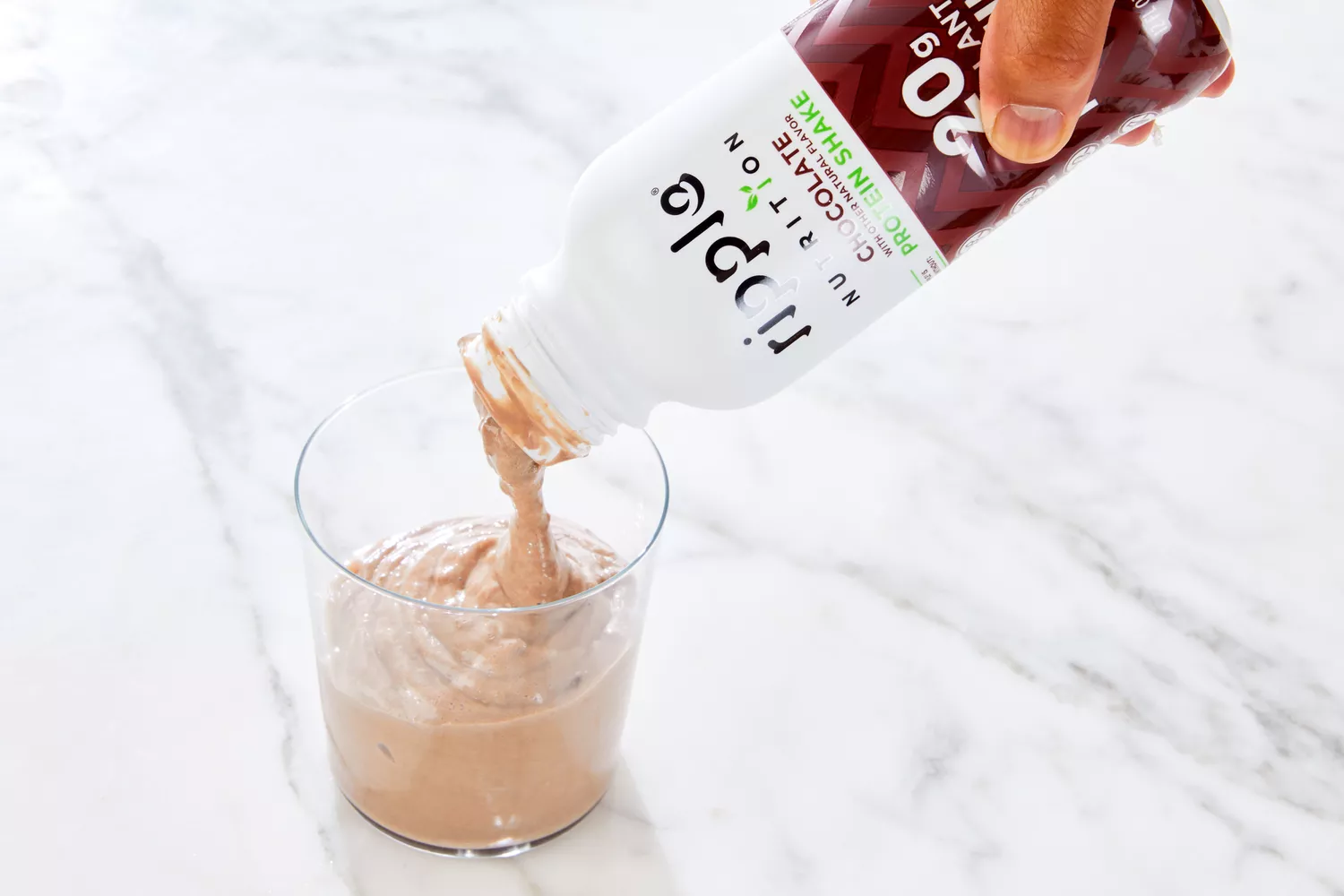
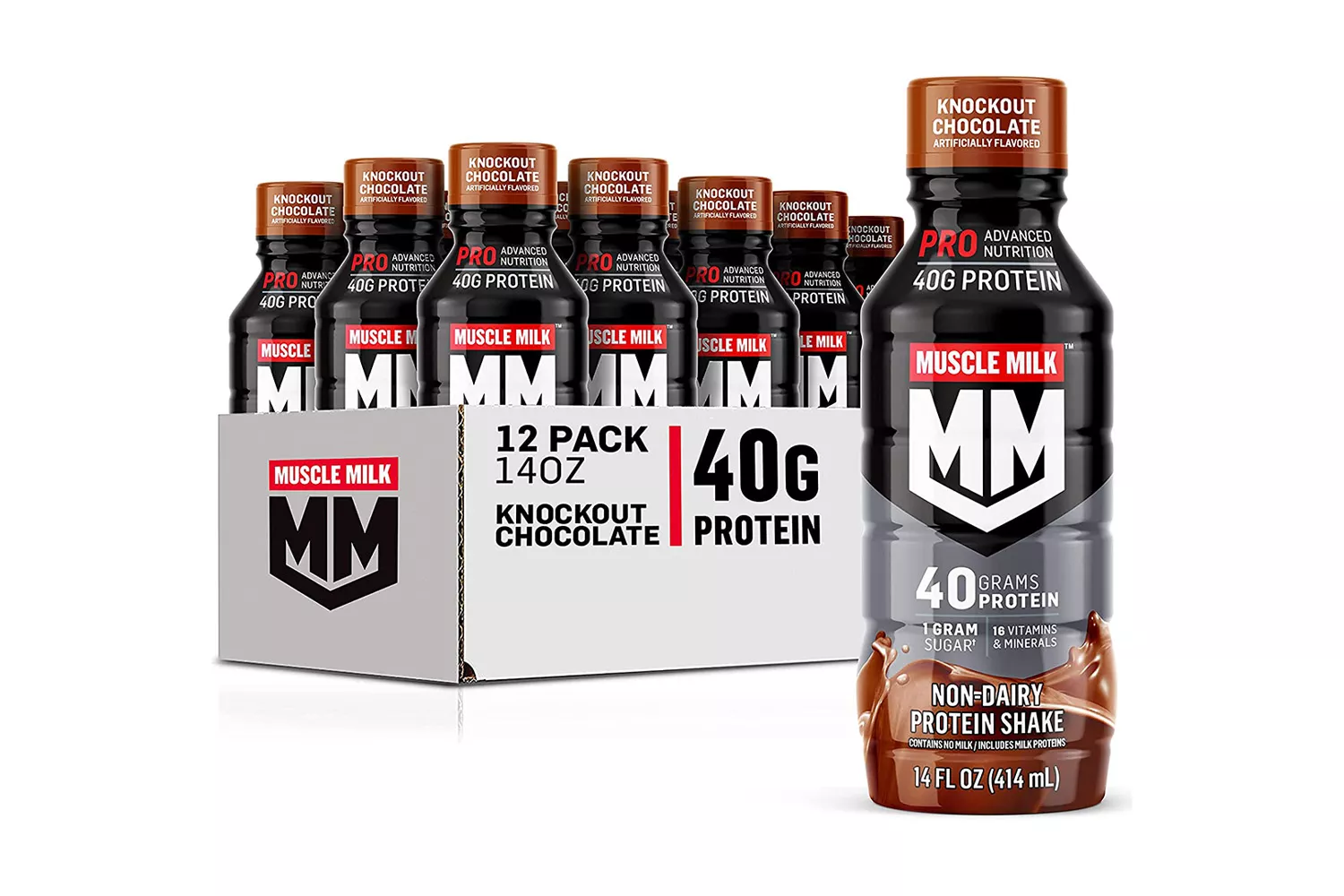
4. Best Ready-to-Drink (RTD) for Convenience: On-the-Go Shakes
Consistency is the most important factor in any training protocol. For busy professionals or those commuting from the gym to the office, ready to drink post workout shakes for convenience are a lifesaver. These RTD options eliminate the need for shakers and powder, ensuring you hit your nutrient timing targets even on your busiest days.
The best RTD options in 2026 focus on shelf stability without compromising on ingredient quality. We look for shakes that maintain a high protein-to-calorie ratio and utilize ultra-filtration to keep the texture smooth. Because they are pre-mixed, these drinks often offer rapid absorption because the proteins are already well-dispersed in the liquid medium.
Key Specs
- Calories: 170
- Protein: 30g
- Carbs: 4g
- Electrolytes: Sodium (180mg), Potassium (210mg)
Pros
- Zero preparation time required.
- Highly portable for gym bags and cars.
- Consistent nutrient profile in every bottle.
Cons
- Generally more expensive per serving than powders.
- Plastic waste from single-use bottles.
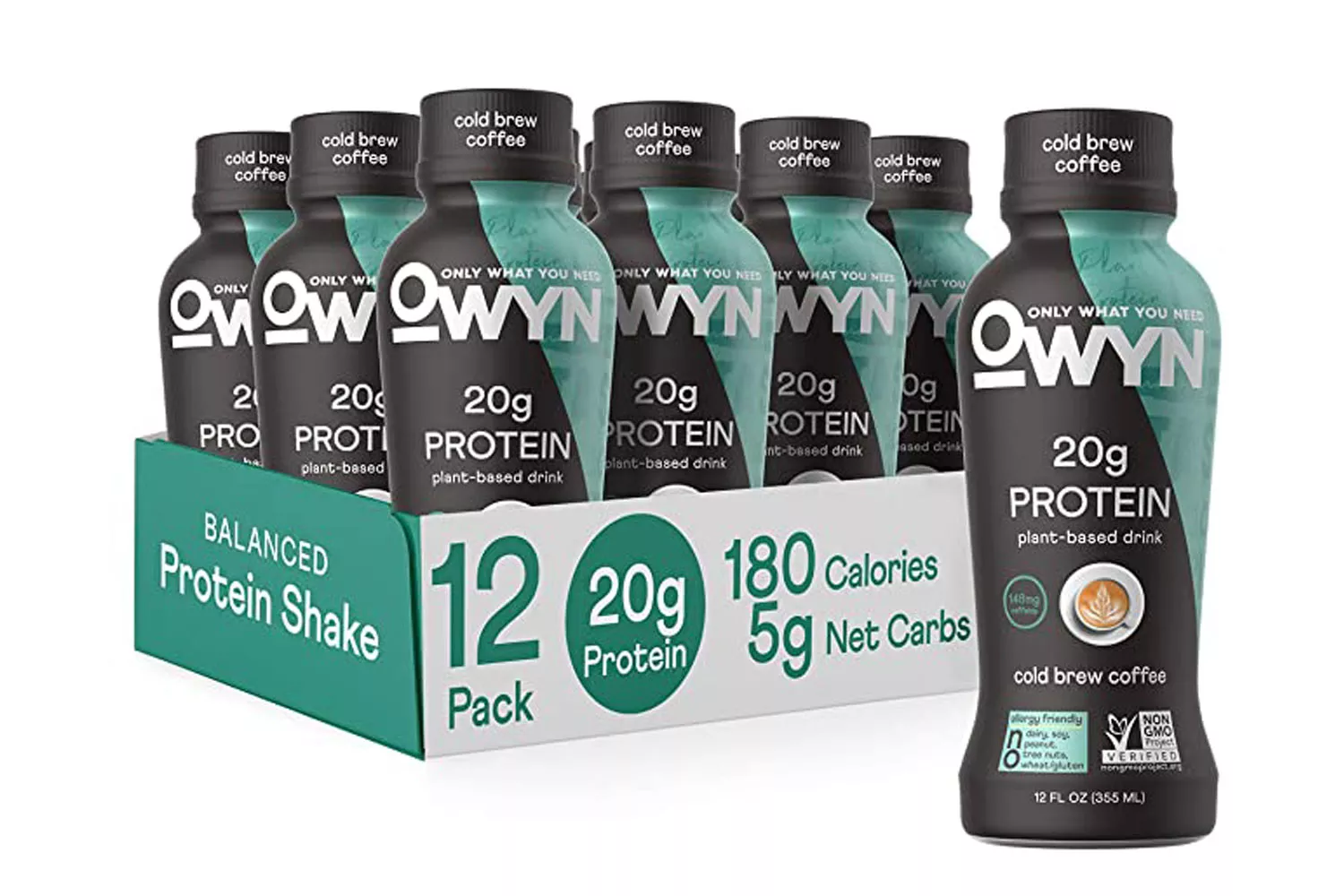
5. Best for Weight Loss: Low-Calorie Electrolyte Focus
If your training is focused on fat loss, you want to trigger recovery without consuming back all the calories you just burned. Low calorie post workout drinks for weight loss focus heavily on hydration and essential amino acids while keeping total energy intake under 100 calories.
The goal here is hydration replenishment and preventing exercise-induced fatigue without a massive insulin spike. These drinks usually contain a mix of electrolytes and branched-chain amino acids to protect lean muscle mass while the body remains in a caloric deficit. By focusing on essential electrolytes like sodium and potassium, you can ensure your nervous system recovers even if your carbohydrate intake is restricted.
Key Specs
- Calories: 45
- Protein: 10g (from BCAAs/EAAs)
- Carbs: 1g
- Electrolytes: Sodium (250mg), Potassium (150mg)
Pros
- Supports muscle retention during weight loss.
- Excellent for hydration without added sugars.
- Light, refreshing flavors compared to heavy chocolate shakes.
Cons
- Does not replenish glycogen stores.
- Not suitable for high-volume endurance training.

6. Best Science-Backed Formula: TriFuel/High-Performance Blend
For the elite athlete, standard protein isn't enough. The latest 2026 high-performance blends incorporate micronutrient fortification and adaptogens to manage cortisol levels after a grueling session. These formulas often include a mix of fast and slow-digesting proteins alongside complex carbohydrates like highly branched cyclic dextrin.
The emphasis here is on the anabolic window and nutrient timing. By including specific ratios of essential amino acids and performance enhancers like creatine or beta-alanine, these post-workout recovery drinks serve as an all-in-one solution. This is the choice for individuals who are pushing their physiological limits and need every scientific advantage to recover before the next session.
Key Specs
- Calories: 220
- Protein: 30g
- Carbs: 25g
- Electrolytes: Full spectrum including Calcium and Magnesium
Pros
- Comprehensive nutrient profile for total recovery.
- Includes performance-enhancing ergogenic aids.
- Engineered for maximum absorption speed.
Cons
- Premium pricing.
- Complex ingredient list may be overkill for casual gym-goers.
7. Best Budget/Homemade Alternative: The Chocolate Milk Logic
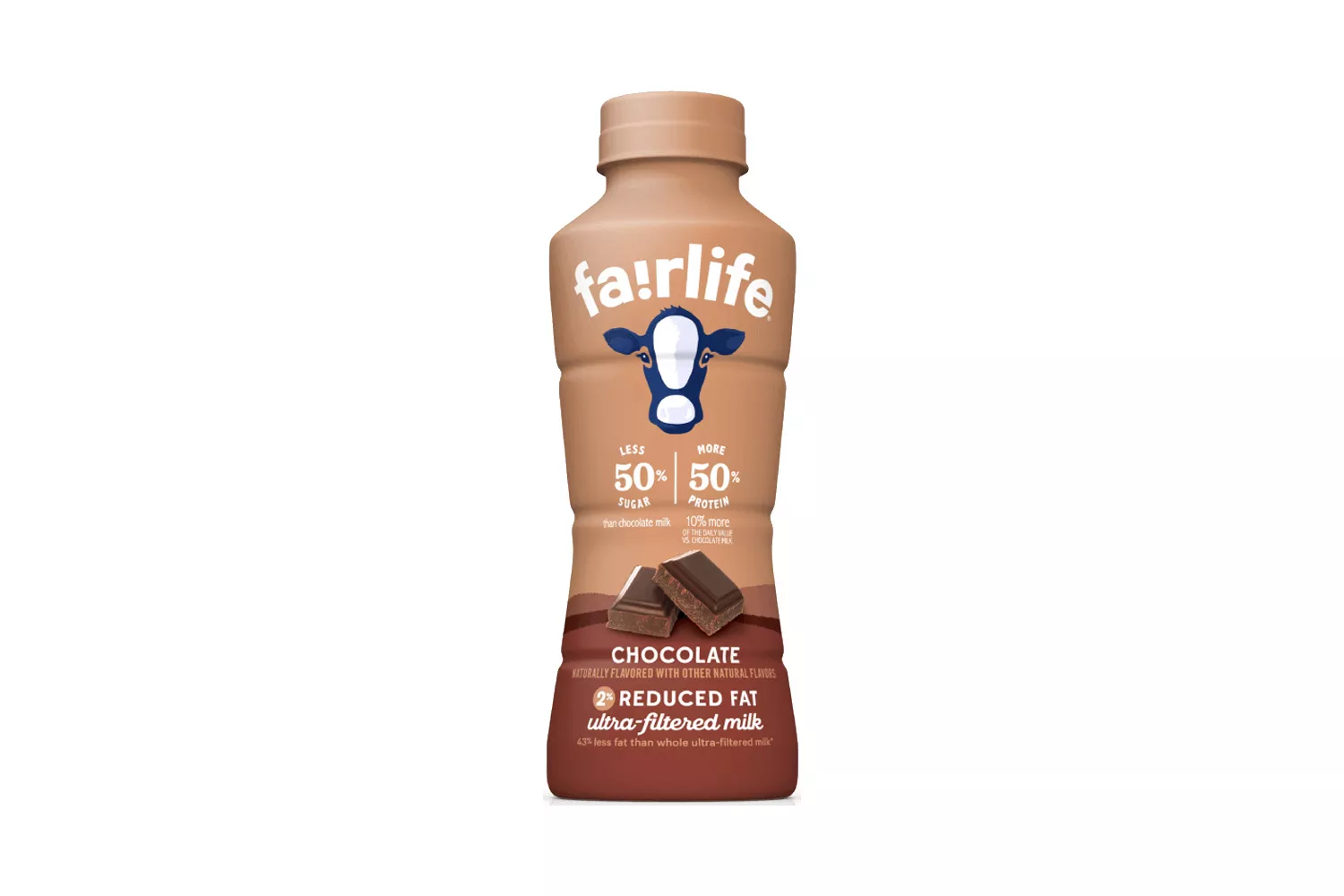
You don't always need a fancy tub of powder to see results. One of the most famous findings in sports nutrition science is that chocolate milk is an elite recovery tool. A field-based study of high school athletes demonstrated that those drinking chocolate milk for post-workout recovery showed a net strength difference of 6.7% compared to those who consumed a commercial sports drink.
The natural composition of milk provides a mix of whey and casein proteins, while the added cocoa and sugar provide the necessary carbohydrates for glycogen replenishment. If you are looking for homemade post workout recovery drink recipes, a simple blend of milk, a frozen banana, and a tablespoon of honey can provide a balanced recovery profile for a fraction of the cost of supplements.
Key Specs
- Calories: 210
- Protein: 8-13g (higher in ultra-filtered versions)
- Carbs: 26g
- Electrolytes: Natural Calcium, Sodium, and Potassium
Pros
- Extremely affordable and widely available.
- Natural 3:1 or 4:1 carb-to-protein ratio.
- Great taste and high compliance rate.
Cons
- Contains lactose and added sugars.
- Requires refrigeration.
Buyer’s Guide: What to Look for on the Label
Navigating the supplement aisle can be daunting. When choosing post workout drinks for runners and cyclists or even for general gym use, the first thing you should look for is third-party certification. Labels like NSF Certified for Sport or Informed Sport ensure that the product actually contains what it claims and is free from banned substances.
Second, examine the carbohydrate-to-protein ratio based on your training. If you just did an hour of heavy squats, you need more protein. If you just ran 10 miles, you need more carbs. Avoid "proprietary blends" where the manufacturer hides the specific dosages of key ingredients. Transparency is a hallmark of a high-quality brand. Finally, pay attention to the bioavailability of the ingredients; for example, look for chelated minerals and hydrolyzed proteins which allow for rapid absorption during the crucial recovery period.
FAQ
What are the best drinks for muscle recovery after a workout?
The best drinks for muscle recovery are those that provide a combination of high-quality protein, such as whey isolate or a pea-pumpkin blend, and carbohydrates to restore energy. Specifically, look for drinks that offer at least 20 grams of protein and a balanced electrolyte profile to assist with rehydration and muscle repair.
Is it better to drink a protein shake or a recovery drink?
It depends on your training intensity. A standard protein shake is excellent for muscle protein synthesis after weightlifting. However, a dedicated recovery drink is often better after endurance or high-intensity interval training because it also includes the necessary carbohydrates for glycogen replenishment and electrolytes for fluid balance.
How soon after a workout should you have a recovery drink?
While the body can process nutrients for several hours after exercise, it is best to consume a recovery drink within 30 to 60 minutes. This period, often called the anabolic window, is when your muscles are most efficient at absorbing nutrients and initiating the repair process to reduce exercise-induced fatigue.
What ingredients should I look for in a post-workout drink?
You should look for high-quality protein sources containing essential amino acids, particularly leucine. Additionally, check for fast-acting carbohydrates like maltodextrin or dextrose for glycogen replenishment, and key electrolytes like sodium, potassium, and magnesium to support hydration.
Does chocolate milk actually help with muscle recovery?
Yes, chocolate milk is highly effective for recovery due to its natural 3:1 or 4:1 carbohydrate-to-protein ratio. Studies have shown it can improve strength gains and muscle repair significantly better than many standard carbohydrate-only sports drinks, making it a great budget-friendly option.