Quick Facts
- Top Pick for Muscle: Whey Protein Isolate (DIAAS Score 1.09)
- Best for Digestion: Chocho or Beef Protein Isolate
- Optimal Dose: 20-40g protein with 1-3g Leucine per serving
- Cost Range: $1.00 - $2.50 per serving depending on purity
- Safety Standard: NSF or Informed Choice third-party testing recommended
- Market Insight: Animal-based protein powders, including whey and casein, held a dominant 70% share of the global market in 2024.
- Core Recommendation: Choosing the right protein powder depends on your biological needs; animal proteins like whey offer a complete amino acid profile for muscle protein synthesis, while plant-based alternatives like chocho provide fiber and digestibility for those with sensitivities.
Choosing the right protein powder in 2026 requires more than just picking a flavor; it’s about matching bioavailability to your specific fitness goals. Whether you are comparing plant-based vs animal protein powder or seeking the best protein powder for muscle growth, this guide breaks down the science of muscle protein synthesis and clean label standards to help you find your perfect match.

Goal-Based Choice Matrix
| Goal | Recommended Type | Primary Benefit | Why It Works |
|---|---|---|---|
| Hypertrophy | Whey Isolate | Rapid Leucine Delivery | Triggers anabolic signaling within minutes. |
| Fat Loss | Casein or Beef Isolate | High Satiety | Slower digestion keeps you full while preserving lean mass. |
| Dairy-Free Muscle | Chocho or Pea/Rice Blend | Complete Amino Profile | Sustainable, hypoallergenic, and fiber-rich. |
| Joint Recovery | Beef Protein Isolate | Collagen Support | Provides glycine and proline for connective tissue. |
Our Methodology: How We Evaluate Protein in 2026
In my years of reviewing supplements, I’ve seen the industry shift from simple "protein-per-scoop" metrics to sophisticated bioavailability markers. In 2026, our evaluation hinges on the Digestible Indispensable Amino Acid Score (DIAAS). Unlike older methods, DIAAS measures the true digestibility of individual amino acids at the end of the small intestine. This provides a far more accurate picture of how much protein your body actually uses for muscle protein synthesis.
We also prioritize manufacturing integrity. A protein powder is only as good as its purity. We look for cold-processed extraction methods. High heat can denature delicate proteins, rendering bioactive peptides useless. Furthermore, we mandate that any protein powder guide we produce only highlights products that undergo third-party testing. In an era where heavy metal screening is non-negotiable, seeing an NSF Certified for Sport or Informed Choice seal is the baseline for professional recommendation. We also examine nitrogen balance data to ensure the product provides what it claims on the label without "amino spiking" with cheap fillers.

The Protein Math: Dosing for Your Goals
If you aren't hitting your numbers, the best protein powder for muscle growth won't save your physique. For the active reader, generic RDAs are insufficient. Dietary recommendations for athletes and individuals engaging in regular strength training suggest a protein intake of 1.2 to 2.0 grams per kilogram of body weight per day to support muscle growth and tissue repair.
If you are an 80kg (176lb) athlete, that means your daily floor is 96g, but your performance ceiling might be as high as 160g. For those researching how to choose protein powder for weight loss, the requirements often skew higher. During a caloric deficit, protein needs jump to 1.6-2.4g/kg to prevent the body from catabolizing its own muscle tissue.
When considering best protein powder for men's performance, timing and threshold are key. To maximize muscle protein synthesis, you should aim for a "leucine trigger" of 1-3g per serving. Most high-quality whey isolates achieve this in a standard 25-30g scoop. While the "30-minute anabolic window" has been largely debunked as an exaggeration, consuming a high-bioavailability shake within two hours of training remains a gold standard for post-workout recovery.
Animal vs. Plant: The Bioavailability Breakdown
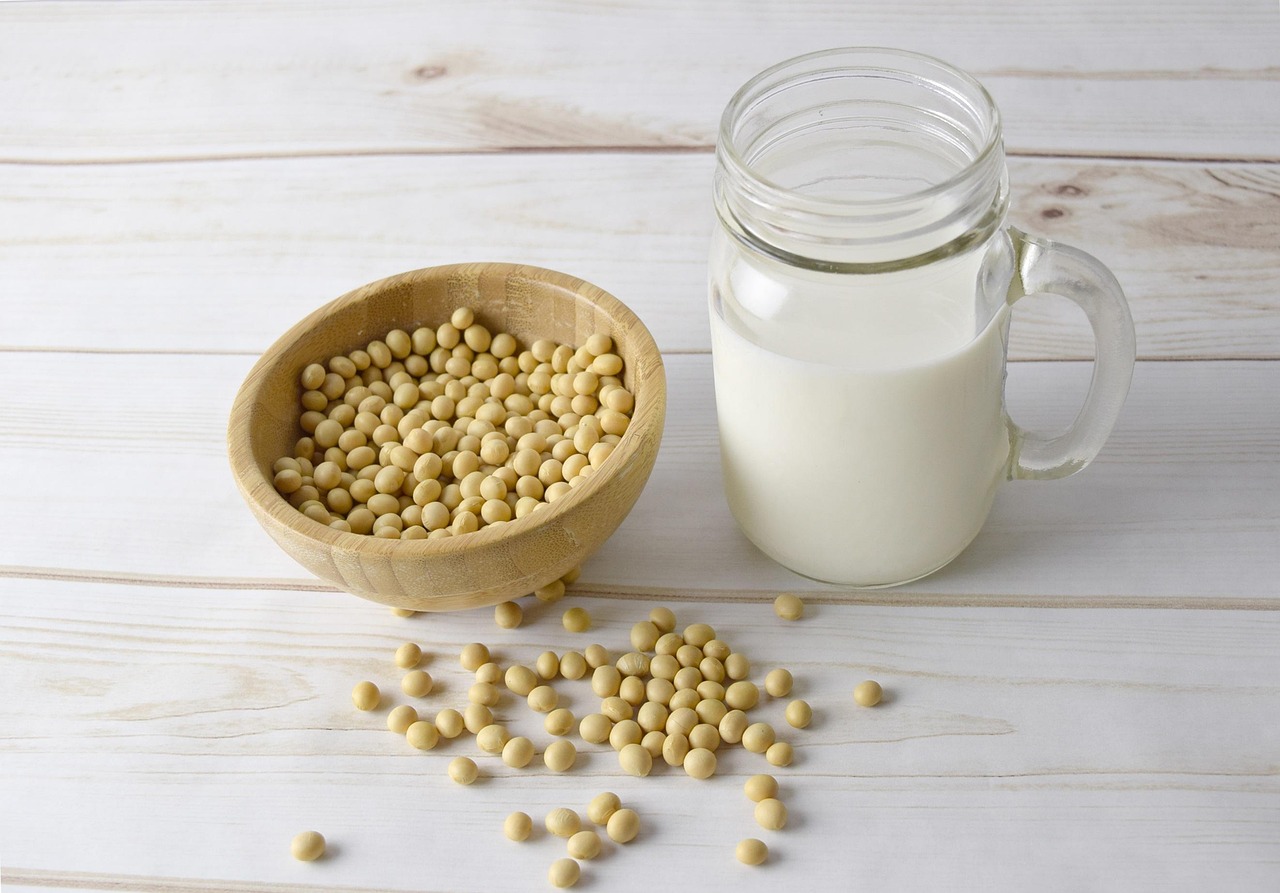
The debate over plant-based vs animal protein powder has evolved. It is no longer about whether plants can build muscle—they can—but about the efficiency of the process. Whey protein accounted for the largest revenue share in the protein type segment in 2024, representing approximately 38.6% of the market due to its high bioavailability.
To provide a complete amino acid profile protein powder guide, we must look at the DIAAS scores. Animal proteins generally lead because they contain all essential amino acids in the right ratios for human physiology.
| Protein Source | DIAAS Score | Notes |
|---|---|---|
| Whey Isolate | 1.09 | The gold standard for rapid absorption. |
| Beef Isolate | 1.00+ | Excellent for those avoiding dairy; high in BCAAs. |
| Soy Isolate | 0.91 | The highest single-source plant protein. |
| Pea/Rice Blend | 0.85-0.90 | Combining sources fixes individual amino acid gaps. |
| Rice Protein | 0.37 | Low in lysine; must be blended to be effective. |
While plant-based vs animal protein powder for athletes was once a clear win for dairy, modern plant blends have narrowed the gap. By combining pea and rice protein, manufacturers create a profile that mimics whey, though you may need a slightly larger serving size to reach the same leucine threshold.
Niche Powerhouses: Chocho, Beef, and Beyond
As we move into 2026, new players are disrupting the market. If you struggle with bloating or gas, you need an easily digestible protein powder for dairy sensitivity. This is where grass-fed beef protein isolate shines. Unlike "collagen" (which is great for joints but poor for muscle), beef isolate is a complete protein derived from the meat itself. It is naturally lactose-free and offers a robust amino acid profile that supports both muscle and connective tissue.
On the vegan side, chocho is the breakout star. When comparing chocho vs pea protein for vegans, chocho offers a higher protein-to-weight ratio and a near-complete amino acid profile. It is a lupin-family bean from the Andes that is packed with fiber and minerals, making it a sustainable powerhouse for lean muscle maintenance.
Expert Tip: If you choose a plant-based option, look for "sprouted" or "fermented" labels. These processes reduce anti-nutrients like phytates, which can interfere with mineral absorption and digestion.
The Quality Checklist: Avoiding Fillers and Toxins
A clean label is a requirement, not a luxury. When choosing the right protein powder, you must look past the "25g Protein" claim and scrutinize the "Other Ingredients" list. To ensure your supplement supports health rather than hindering it, follow this protocol:
- Third-Party Seals: Look for NSF Certified for Sport or Informed Choice. These guarantee the product is free from banned substances and matches the label.
- Extraction Method: Prioritize cold-processed options. This prevents the denaturing of proteins and preserves bioactive peptides like lactoferrin and immunoglobulins.
- No "Proprietary Blends": If a company won't tell you the exact amount of each protein source, they are likely hiding cheap fillers.
- Heavy Metal Screening: Due to soil quality issues, some plant proteins can be high in lead or arsenic. Ensure the brand publishes its third-party lab results.
- Sweetener Source: Avoid high amounts of acesulfame potassium (Ace-K) or aspartame if you have a sensitive gut. Stevia, monk fruit, or small amounts of cane sugar are generally better tolerated.
- Hormone-Free: Always opt for grass-fed or organic sources to avoid artificial hormones and antibiotics.
FAQ
Which type of protein powder is best for beginners?
For most beginners with no dietary restrictions, a high-quality whey protein concentrate or isolate is the best starting point. It is cost-effective, tastes the best in simple water or milk, and provides the most research-backed results for muscle recovery. If you know you have a sensitive stomach, starting with an isolate or a pea-based blend can prevent early discouragement from bloating.
What is the difference between whey isolate and whey concentrate?
The primary difference lies in the protein concentration and the removal of fats and lactose. Whey concentrate is typically 70-80% protein and contains some lactose and fat, which can make it creamier but harder on those with dairy sensitivities. Whey isolate undergoes further filtration to reach 90% protein or higher, removing almost all lactose and fat. Isolate is better for post-workout due to faster absorption and is a safer bet for those who are lactose intolerant.
How do I choose between plant-based and dairy-based protein?
This choice usually comes down to digestion and ethics. Dairy-based proteins like whey have a higher DIAAS score and more leucine per gram, making them slightly more efficient for muscle growth. However, if dairy causes you digestive distress or you follow a vegan lifestyle, a plant-based blend (like pea and rice) or chocho is perfectly capable of building muscle, provided you consume enough to meet your total daily protein requirements.
Can protein powder help with weight loss?
Yes, protein powder is a highly effective tool for weight loss because protein has a high thermic effect—your body burns more calories digesting it than it does for fats or carbs. Furthermore, protein increases satiety, helping you feel full for longer. By replacing a high-calorie snack with a protein shake, you can preserve lean muscle mass while maintaining a caloric deficit, which is essential for a "toned" appearance rather than just "skinny."
What ingredients should I avoid in protein powders?
Avoid products that list "maltodextrin" or "thickening agents" high up on the list, as these are often used as cheap fillers. Be wary of "amino spiking," where companies add individual amino acids like taurine or glycine to artificially inflate the protein count on the label. Lastly, stay away from artificial dyes (like Red 40) and excessive artificial sweeteners if you find they cause you headaches or digestive issues.
Ready to Upgrade Your Nutrition?
Navigating the 2026 supplement landscape doesn't have to be a chore. If your goal is pure performance and maximum hypertrophy, stick with the proven efficiency of a cold-processed whey isolate. If you are focused on longevity, sustainability, and gut health, the rise of chocho and beef protein isolates offers incredible alternatives that don't compromise your results.
Regardless of which path you take, remember that protein powder is a supplement to—not a replacement for—a diet of whole foods. Hit your 1.2-2.0g/kg target, prioritize third-party tested brands, and stay consistent with your training. That is the only protocol that never goes out of style.