Our Top Picks
- The All-Rounder: A high-potency, multi-strain formula designed to maximize microbial diversity and maintain daily digestive regularity.
- The Bloating Specialist: This formula uses resilient soil based probiotics and digestive enzymes to break down difficult proteins and stop gas before it starts.
- The Gut Repair King: A targeted powder focused on intestinal permeability, featuring therapeutic doses of L-Glutamine and soothing herbs to strengthen the gut barrier.
Top gut health supplements for 2025 include multi-strain probiotics for digestion, soil-based probiotics, and soothing formulas containing L-Glutamine and slippery elm to support gut lining repair. Natural options such as bone broth and marine collagen are also highly effective for maintaining intestinal permeability and overall gut barrier integrity.
Quick Facts
- Market Growth: The global gut health supplement market is set to hit USD 14.43 billion in 2025.
- Consumer Focus: Around 58.35% of consumers now prioritize gut-boosting products when shopping.
- Probiotic Share: Probiotics remain the dominant choice, making up 41.2% of the total market segment.
- Top Ingredients: L-Glutamine, Butyrate, and Bacillus strains are the 2025 benchmarks for efficacy.
- Delivery Method: Delayed-release capsules and fermented powders are preferred for maximum bioavailability.
The Foundation — Understanding Microbiome Transformation in 2025
The science of the human microbiome has moved far beyond just taking a generic pill once a day. As we move through 2025, we are seeing a massive shift in how people approach their internal health. It is no longer just about avoiding stomach aches; it is about the Gut-Brain Axis and how our inner bacteria influence our mood, immunity, and even skin clarity. With the global gut health supplement market projected to reach USD 14.43 billion this year, the options available to consumers have become more specialized and effective than ever.
A recent 2025 nutrition trend survey found that 58.35% of consumers prioritize food and beverages that boost gut health as a primary purchase driver. While a diverse diet remains the gold standard—often following the 30-plants-per-week rule—many individuals struggle with Dysbiosis, an imbalance where harmful bacteria outnumber the beneficial ones. This is where high-quality gut health supplements come into play. By targeting specific needs like Intestinal Permeability or low Microbial Diversity, these tools help bridge the gap between a standard modern diet and a thriving ecosystem.
The Rebalancers — High-Potency Probiotics for Every Gut
When you look for gut health supplements, probiotics are usually the first category you encounter. In 2025, the standard has moved toward higher Colony Forming Units (CFU) and strain transparency. We no longer just look for "Lactobacillus"; we look for specific, clinically studied strains that can survive the harsh environment of the stomach.
1. The Multi-Strain Diversity Daily
This supplement is designed for those who want to cover all their bases. It features a blend of 12 different strains, totaling 45 billion CFU. By including both Bifidobacterium and Lactobacillus families, it helps maintain a wide variety of flora, which is the hallmark of a healthy gut.
- Pros: Wide microbial range; includes delayed-release technology.
- Cons: Requires refrigeration to maintain maximum potency.
2. The SBO Resilience Formula
Soil based probiotics for gut health are trending because they are naturally "spore-forming." This means they have a hard outer shell that protects them from stomach acid. These are excellent for individuals who have not had success with traditional dairy-based probiotics.
- Pros: Shelf-stable; no refrigeration needed; very resilient.
- Cons: Not ideal for those with extremely sensitive immune systems without doctor supervision.
3. The Antibiotic Recovery Stack
If you have recently finished a course of medication, you need gut health supplements for antibiotic recovery. This formula typically includes Saccharomyces boulardii, a beneficial yeast that prevents the "wipeout" effect of antibiotics and helps restore balance quickly.
- Pros: High success rate in preventing digestive upset during medication.
- Cons: Intended for short-term intensive use rather than daily maintenance.
4. The Plant-Based Culture
For those on restricted diets, finding the best gut health supplements for dairy free diets is a priority. This option uses coconut-based fermentation and vegan-certified capsules to provide high-potency cultures without any animal by-products.
- Pros: 100% vegan; free from common allergens like soy and dairy.
- Cons: Slightly lower CFU count than some dairy-based competitors.
The Repairers — Sealing the Gut Barrier and Reducing Inflammation
While probiotics add new "seeds" to the garden, the repairers fix the "soil" and the "fence." If you suffer from a "leaky" gut, even the best probiotics might not be enough. This is where the best gut lining repair supplements become essential.
5. The L-Glutamine Powerhouse
L-Glutamine is the primary fuel for the cells that line your small intestine. In therapeutic doses of around 15g, it helps to knit together the tight junctions of the gut wall. This is a top-tier choice for addressing Intestinal Permeability and ensuring that undigested food particles do not enter the bloodstream.
- Pros: Clinically proven to support the gut barrier; unflavored powder mixes easily.
- Cons: High doses may cause mild bloating in the first few days.
6. The Soothing Herbal Complex
Using soothing herbs for digestive inflammation is a time-tested strategy. This supplement combines Slippery Elm and Marshmallow Root to create a protective "mucilage" that coats the digestive tract, allowing the lining to heal without being irritated by acid or food.
- Pros: Immediate cooling sensation; excellent for those with occasional heartburn.
- Cons: Must be taken separately from other medications as it can slow absorption.
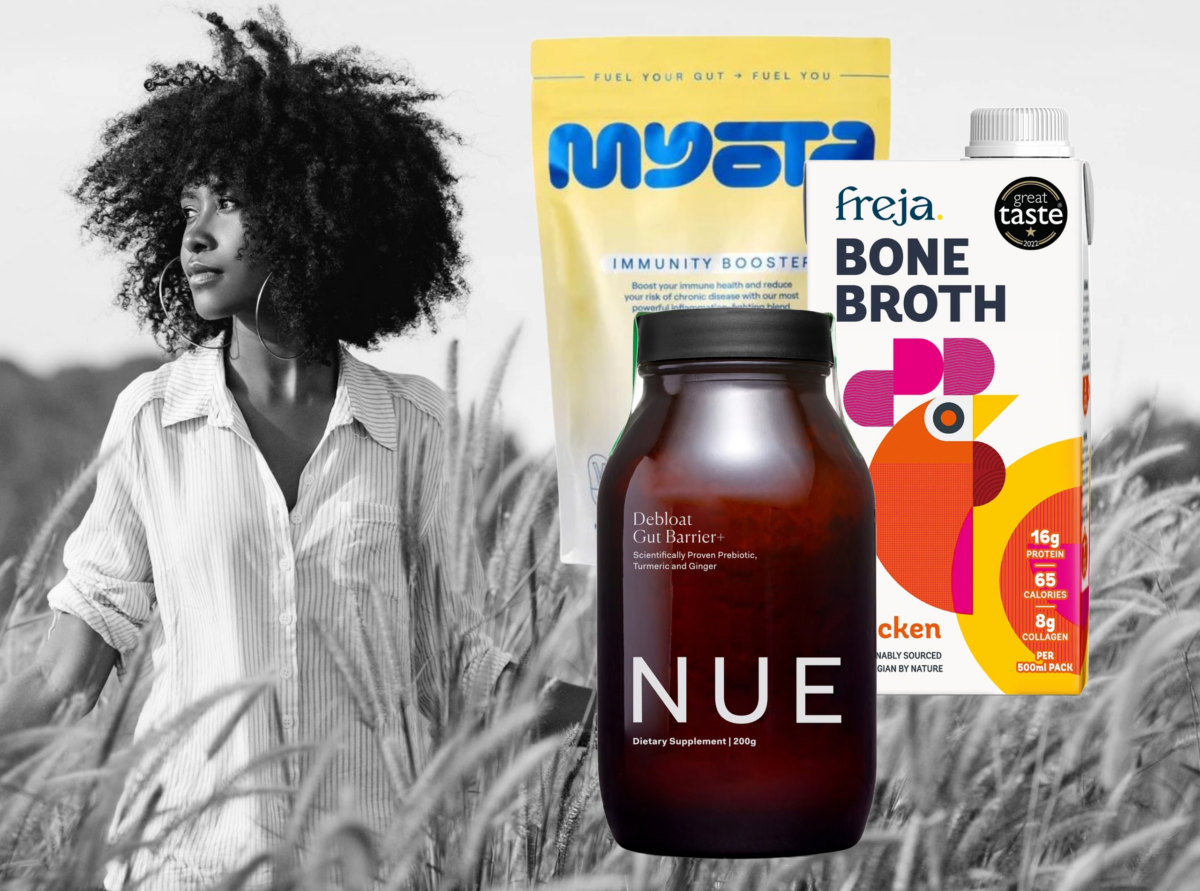
7. The Bioavailable Collagen & Bone Broth
Using collagen and bone broth for gut integrity provides the amino acids (like glycine and proline) needed to rebuild connective tissue. These supplements often come in convenient powders that support both the gut and joint health.
- Pros: Supports hair, skin, and nails alongside the microbiome.
- Cons: Not suitable for vegetarians or vegans.
The Optimizers — Prebiotics, Postbiotics, and Digestive Enzymes
The final piece of the microbiome puzzle involves feeding the bacteria you already have and ensuring you are actually absorbing the nutrients from your food.
8. The Precision Prebiotic
Taking natural prebiotic supplements for microbiome balance ensures your beneficial bacteria have the fiber they need to thrive. Unlike standard fiber, precision prebiotics target specific "good" strains without feeding the "bad" ones, which reduces the risk of gas.
- Pros: Low-fermentation; less likely to cause bloating than inulin.
- Cons: Can take 2-4 weeks to see a noticeable change in regularity.
9. The Postbiotic Butyrate Generator
Postbiotics are the metabolic by-products of fermentation. Short-Chain Fatty Acids like Butyrate are the gold standard here. These molecules act as a direct energy source for colon cells and help maintain a healthy inflammatory response in the lower GI tract.
- Pros: Works faster than waiting for probiotics to ferment fiber.
- Cons: Can have a distinct, pungent smell due to the fatty acids.
10. The Full-Spectrum Enzyme Blend
Microbiome support supplements often include digestive enzymes to help with Nutrient Absorption. If you find that you feel heavy or sluggish after meals, a blend containing lipase, amylase, and protease can help break down food effectively, reducing the load on your microbiome.
- Pros: Dramatically reduces post-meal bloating and heaviness.
- Cons: Must be taken specifically with meals to be effective.
Buyer’s Guide — How to Choose Your Microbiome Stack
Selecting the right gut health supplements can be overwhelming given the thousands of products on the market. To make the best choice, always look for third-party certifications like NSF or GMP. These ensure that what is on the label is actually in the bottle.
Bioavailability is another key factor. If a supplement cannot survive your stomach acid, it will never reach your large intestine where it is needed most. This is why many manufacturers are now using "acid-resistant" or "enteric-coated" capsules.
Symptom-to-Solution Table
| If you experience... | Look for this ingredient... | Recommended supplement type... |
|---|---|---|
| Heavy bloating after meals | Digestive Enzymes | The Optimizers |
| Sensitivity to dairy | Soil based probiotics | The Rebalancers |
| Post-antibiotic sluggishness | S. boulardii | Probiotics for bloating and digestion |
| General "leaky gut" concerns | L-Glutamine | Best gut lining repair supplements |
| Low microbial diversity | Multi-strain (10+) | Microbiome support supplements |
When building your stack, remember the hierarchy of evidence. Look for products that cite specific clinical success rates. For instance, high-quality Butyrate studies have shown a 99.7% success rate in improving the cellular health of the gut lining in specific test groups. Start with one supplement at a time to see how your body reacts before adding more.
FAQ
What are the most effective supplements for gut health?
The most effective supplements are usually those that combine different approaches. A foundation of multi-strain probiotics for digestion paired with a gut-lining support like L-Glutamine covers both the bacterial balance and the physical integrity of the intestinal wall.
How do I know if I need a gut health supplement?
Signs that your microbiome may need support include chronic bloating, irregular bowel movements, unexplained skin breakouts, or lingering fatigue. If you have a diet high in processed foods or have recently taken antibiotics, your microbial diversity may be low, making supplements a helpful tool for restoration.
Do gut health supplements really work for bloating?
Yes, but the success depends on the cause. Probiotics for bloating and digestion work by introducing bacteria that produce less gas during fermentation. If bloating is caused by poor breakdown of food, digestive enzymes are often the more effective immediate solution.
How long does it take for gut supplements to work?
While some people feel a difference in bloating within a few days, most microbiome support supplements require 3 to 4 weeks of consistent use. This is the time needed for new bacterial colonies to establish themselves or for the gut lining to begin its repair process.
What is the difference between probiotics and prebiotics?
Think of probiotics as the "seeds" or the live beneficial bacteria themselves. Prebiotics are the "fertilizer" or the non-digestible fibers that feed those bacteria. You need both to create a sustainable and thriving internal ecosystem.
What should I look for when buying gut health supplements?
Focus on transparency. Check for a clearly listed CFU count at the time of manufacture, specific strain names (like Lactobacillus rhamnosus GG), and third-party testing stamps. Avoid products with excessive fillers or artificial colors that might further irritate a sensitive gut.
Transforming Your Journey
Improving your gut health is a marathon, not a sprint. While gut health supplements offer a powerful shortcut to rebalancing a distressed system, they work best when paired with a lifestyle that prioritizes sleep, stress management, and whole foods. As you begin your journey in 2025, listen to your body and consult with a healthcare provider to tailor these recommendations to your specific health history. Your microbiome is unique to you; treat it with the precision it deserves.